
The death of 26-year-old Nicholas Kenworthy following a skiing accident in California’s Sierra Nevada mountains has drawn attention to the risks associated with advanced terrain at major winter sports destinations. Authorities confirmed that Kenworthy, a resident of Los Angeles, suffered fatal injuries while skiing on an advanced trail at Northstar California Resort near Lake Tahoe. The incident occurred on February 6, prompting an emergency response from ski patrol and local first responders, but efforts to save him were unsuccessful.
According to reporting from the Los Angeles Times, ski patrol teams were dispatched after receiving a report of an injured skier on the resort’s advanced Martis Trail. First responders provided immediate medical care at the scene before transferring Kenworthy to the Truckee Fire Department for further treatment. He was pronounced dead before reaching a nearby hospital.
Officials later confirmed Kenworthy’s identity, though authorities did not release details about the exact nature of the accident or the injuries he sustained. The investigation into the circumstances surrounding the incident remained limited to confirmation of response procedures and identification, leaving many questions about what precisely occurred on the slope that day.
The Setting: Northstar California Resort and the Martis Trail
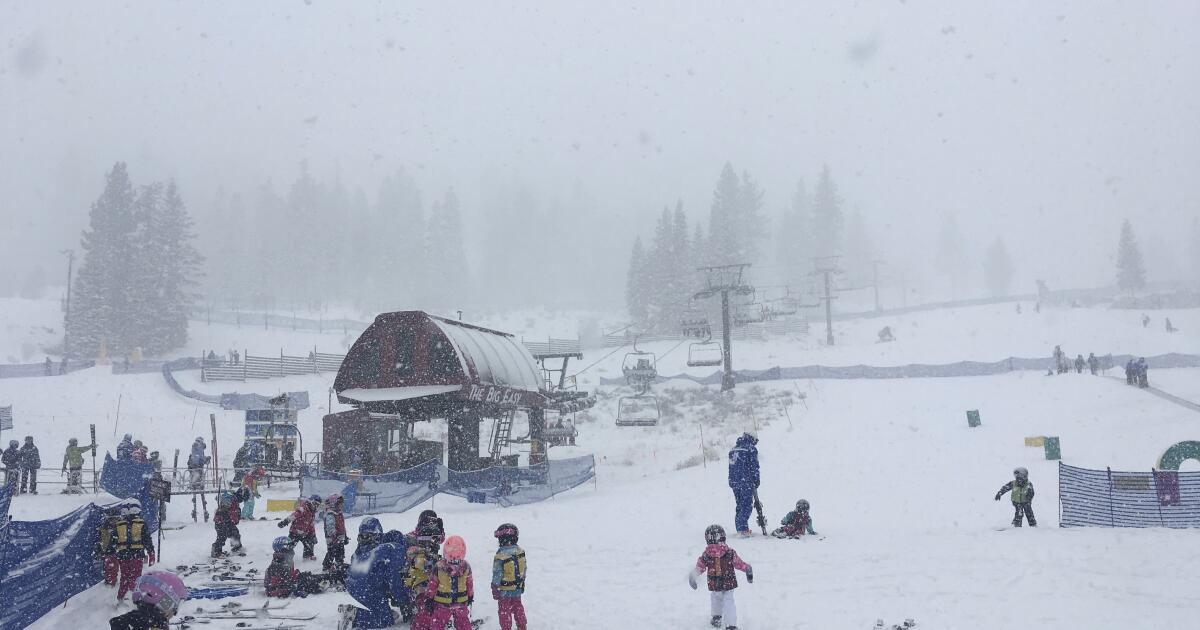
Located near the northern shore of Lake Tahoe, Northstar California Resort is widely known as a major winter recreation destination offering terrain for skiers and snowboarders of varying skill levels. The resort features beginner, intermediate, and advanced runs that traverse forested mountainsides and steep alpine sections. Its terrain network includes groomed trails, tree skiing zones, and high-difficulty routes that demand strong technical ability and experience navigating challenging conditions.
The Martis Trail, where the fatal accident occurred, is classified as an advanced run. Trails in this category are typically steeper, narrower, and may involve changing snow conditions, sharper turns, or terrain features that require quick reaction and balance. While such runs are designed for experienced skiers, they still carry inherent risks even for those familiar with demanding slopes. Factors such as speed, terrain variation, weather, and surface conditions can influence safety outcomes in unpredictable ways.
Resort ski patrol teams play a central role in monitoring trail conditions, responding to injuries, and coordinating emergency care. Their responsibilities include assessing hazards, marking dangerous areas, and providing rapid medical assistance when incidents occur. In Kenworthy’s case, patrol members reached him after receiving reports of an injured skier and provided initial treatment before arranging transfer to local emergency services.
Read : 51,200 Years Old Figurative Cave Art Found on Sulawesi Island of Indonesia
Mountain environments, particularly those with advanced terrain, present unique safety challenges that differ from controlled urban settings. Elevation, terrain irregularities, and rapidly changing weather patterns can affect both visibility and skiing conditions. Even with safety infrastructure in place, accidents can occur quickly, especially when skiers are traveling at high speed or navigating technical sections of a trail.
Emergency Response and Official Statements
Following the accident, authorities confirmed that emergency procedures were carried out according to established response protocols. The Placer County Sheriff’s Office, formally identified as Placer County Sheriff’s Office, verified Nicholas Kenworthy’s identity after the incident. As of several days after the event, officials had not publicly disclosed further details regarding how the accident unfolded or what specific injuries caused his death.
Read : Kathinka Gyllenhammar Fractures Pelvis and Rib While Kite-Skiing With Daughter in Antarctica
In situations involving fatal incidents at recreational facilities, it is common for authorities to release only limited information while documentation and reporting processes are completed. Such procedures may involve reviewing patrol reports, examining witness statements, and coordinating with medical personnel. The absence of detailed findings immediately following an incident does not necessarily indicate uncertainty but reflects standard investigative and reporting practices.
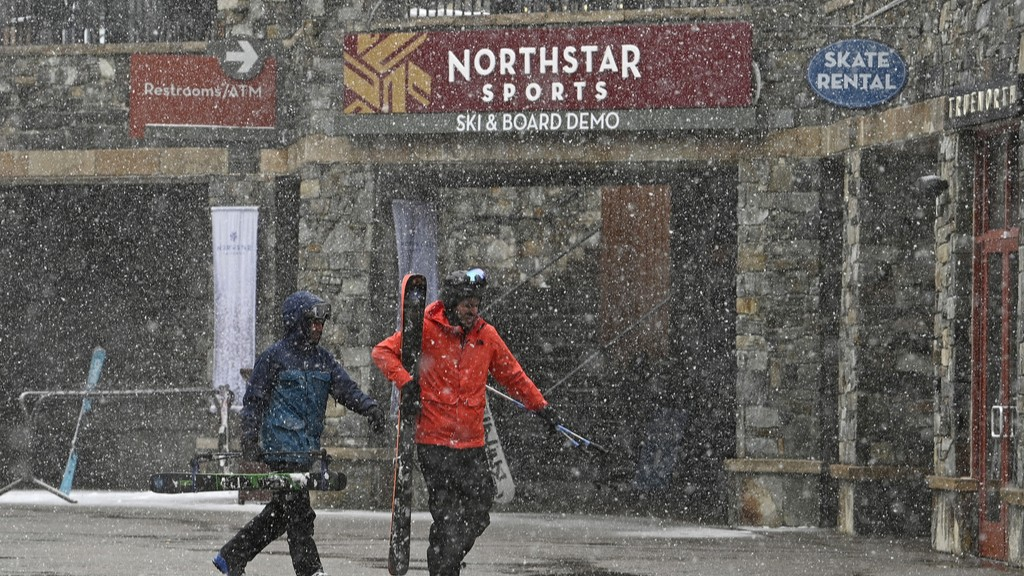
A statement released through the Sierra Sun conveyed the response from resort leadership. Northstar’s vice president and general manager expressed sympathy and support for Kenworthy’s family and loved ones, acknowledging the emotional impact of the event on those connected to him as well as the resort community. Such statements are typical in cases where fatalities occur at recreational venues, reflecting both acknowledgement of loss and recognition of the broader community affected by the incident.
Resort officials did not describe operational changes or safety adjustments following the accident. When serious incidents occur at ski areas, responses may range from internal review of procedures to reaffirmation of safety messaging for guests. However, in this case, publicly released information focused primarily on expressing condolences and confirming the emergency response timeline.
Fatal skiing accidents are statistically uncommon relative to the number of participants at major resorts each season, but they remain a recognized risk within alpine sports. Skiing combines speed, terrain variability, and environmental exposure, all of which can contribute to injury when conditions align unfavorably. Even with protective equipment and established safety measures, severe accidents can occur unexpectedly.
A Pattern of Rare but Serious Incidents in the Area
Kenworthy’s death marked another fatal incident connected to the Northstar region in recent years. According to reporting cited by the Los Angeles Times, a previous case occurred in early 2022 when search teams located the body of Rory Angelotta north of the resort. Angelotta had been reported missing on Christmas Day in 2021, prompting a search operation that ultimately ended with the discovery of his body weeks later.
Read : 12-Year-Old Boy Dies After Crashing Into Tree While Skiing At Cranmore Mountain Resort
Although the circumstances of the earlier case differed from Kenworthy’s accident, the reference underscores that fatal events, while infrequent, do occur within mountainous recreational areas. Large ski regions span extensive terrain, often including wooded areas, backcountry access points, and remote sections where locating missing or injured individuals can be complex. Weather conditions and limited daylight during winter months can further complicate search and rescue operations.
Incidents such as these draw attention to the broader environment in which alpine recreation takes place. Mountain resorts operate within natural landscapes that cannot be fully controlled despite extensive safety infrastructure. Avalanche monitoring, trail marking, and patrol oversight reduce risk, but they do not eliminate it. Participants are still navigating dynamic terrain shaped by weather, elevation, and seasonal changes.
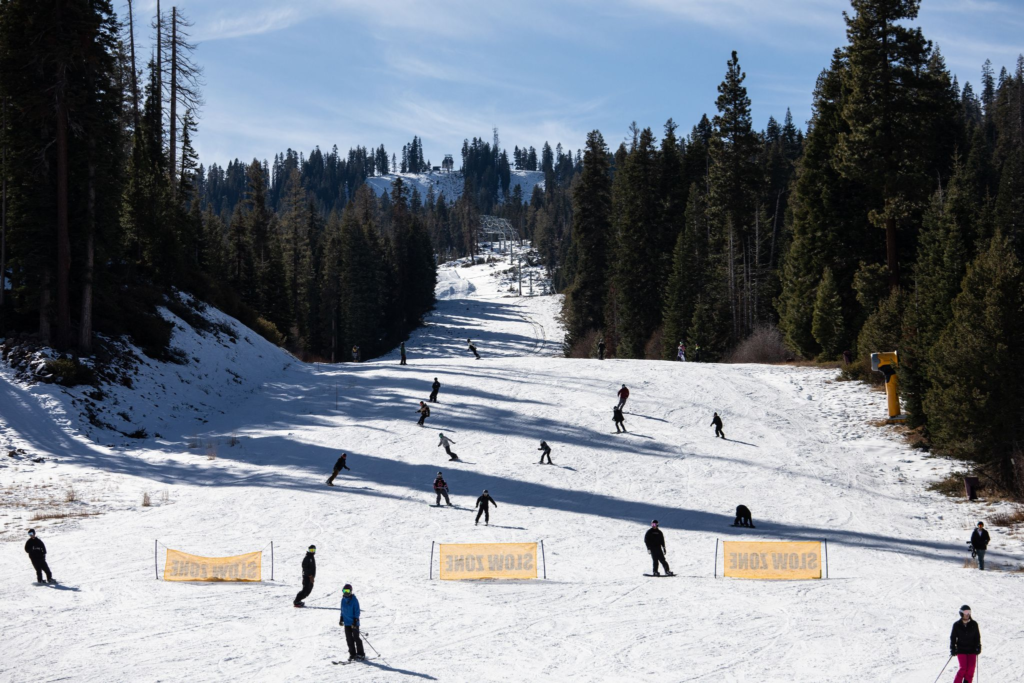
For experienced skiers, advanced trails represent both challenge and reward. Steeper slopes and technical terrain offer greater speed and complexity, but they also increase the margin for error. Accidents on such terrain may occur due to loss of control, collisions, sudden changes in snow texture, or unseen obstacles. Without official details in Kenworthy’s case, the precise contributing factors remain unknown.
The recurrence of fatal incidents across different years does not necessarily indicate a pattern of unsafe operations at a specific resort. Rather, it reflects the broader reality of high-risk recreational environments where serious outcomes, though rare, are possible. Ski resorts across major mountain regions worldwide periodically report severe injuries or deaths, particularly on advanced terrain.
Kenworthy’s death has drawn public attention largely because of the limited information released about the accident itself. Without confirmed details regarding the mechanism of injury or environmental conditions at the time, the event stands primarily as a documented fatal incident within an established recreational setting. What is known centers on the response sequence: injury report, ski patrol intervention, emergency transfer, and confirmation of death before hospital arrival.
The loss of a young adult in an outdoor recreational setting inevitably resonates beyond the immediate circumstances. Ski resorts function not only as sports venues but also as social and tourism centers attracting visitors from across regions and countries. When fatal accidents occur, they are felt within both local communities and the broader network of winter sports participants who share similar environments and experiences.
As of the most recent official information, authorities had not provided further updates regarding investigative findings or additional context surrounding the accident. Public reporting has remained limited to confirmation of the timeline, identity, and location, along with expressions of sympathy from resort leadership and acknowledgement of prior fatal incidents in the surrounding area.