
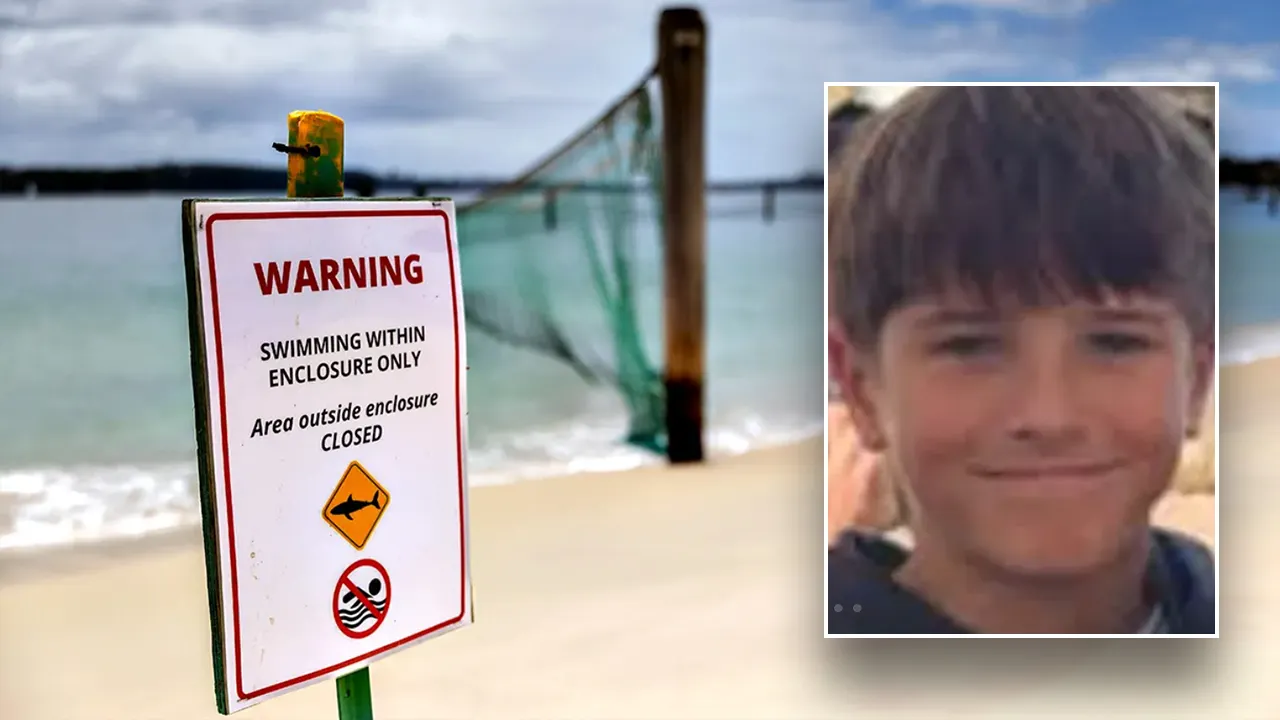
The death of twelve-year-old Nico Antic after a shark attack in Sydney Harbour has sent shockwaves across Australia and beyond, reigniting public concern over marine safety along the country’s coastline. Nico died in hospital last week after sustaining catastrophic injuries during an incident that occurred while he was swimming with friends. His death marks one of the most tragic outcomes in a recent cluster of shark encounters reported along the New South Wales coast, raising urgent questions about environmental conditions, coastal risk management, and public safety during extreme weather events.
Nico Antic was attacked on 18 January while jumping from a rock ledge into the waters of Sydney Harbour, an area not commonly associated with fatal shark attacks. Authorities later said the shark involved was suspected to be a bull shark, a species known for its ability to thrive in both saltwater and freshwater environments. Despite rapid emergency response and intensive medical treatment, Nico succumbed to his injuries days later at Sydney Children’s Hospital, where he had been in critical condition.
In a statement released following his death, Nico’s parents, Lorena and Juan Antic, expressed profound grief, describing their son as a joyful and generous child whose energy and kindness left a lasting impression on those around him. Originally from Argentina, the family had been living in Australia when the incident occurred. Their loss has resonated deeply within local communities, many of whom have rallied around the family in the days since.
The Incident in Sydney Harbour and Emergency Response
According to official accounts, Nico Antic had been spending the afternoon with friends near a rock ledge along Sydney Harbour when he entered the water and was attacked. Witnesses reported scenes of chaos as the shark struck, causing severe injuries to his leg. Nico’s friends were later praised by emergency services and the public for their bravery after immediately entering the water to pull him to safety, despite the obvious danger.
Paramedics arrived quickly, and Nico Antic was transported to Sydney Children’s Hospital, where he underwent emergency surgery. Doctors placed him in an induced coma due to the severity of his injuries, which included extensive tissue damage and significant blood loss. Despite the efforts of medical staff, his condition remained critical, and he died several days later.
Read : 12-Year-Old Nico Antic Brain-Dead and Will Never Wake Up After Shark Mauling
The location of the attack intensified public shock. Sydney Harbour is a busy and heavily trafficked waterway, frequented by swimmers, kayakers, and recreational boaters. While sharks are known to inhabit the harbour, fatal attacks there are extremely rare. This incident prompted immediate beach closures and renewed scrutiny of how authorities monitor shark activity in urban waterways.
Read : Top 10 Hill Stations to Visit in Europe
New South Wales officials confirmed that the attack was one of four shark-related incidents reported along the state’s coast over a two-day period. The clustering of these encounters raised alarms among marine experts and public safety officials, particularly given the unusual environmental conditions preceding the attacks.
A Surge in Shark Encounters Along the New South Wales Coast
Nico’s death occurred amid a broader pattern of shark encounters that unfolded along Australia’s east coast in the same week. Within days of the Sydney Harbour incident, multiple attacks were reported, three of them in the greater Sydney area. On Monday following Nico’s attack, a surfer on Sydney’s northern beaches narrowly avoided injury after encountering a shark in the water. Only hours later, a 27-year-old man was bitten at a nearby beach, suffering what authorities described as “life-changing” injuries.
The following day, another incident occurred on the Mid North Coast of New South Wales, where a 39-year-old man was pulled from the water after surviving a shark bite. He sustained a chest wound and was taken to hospital for treatment. While he survived, the incident added to growing public anxiety as reports of shark encounters dominated headlines.
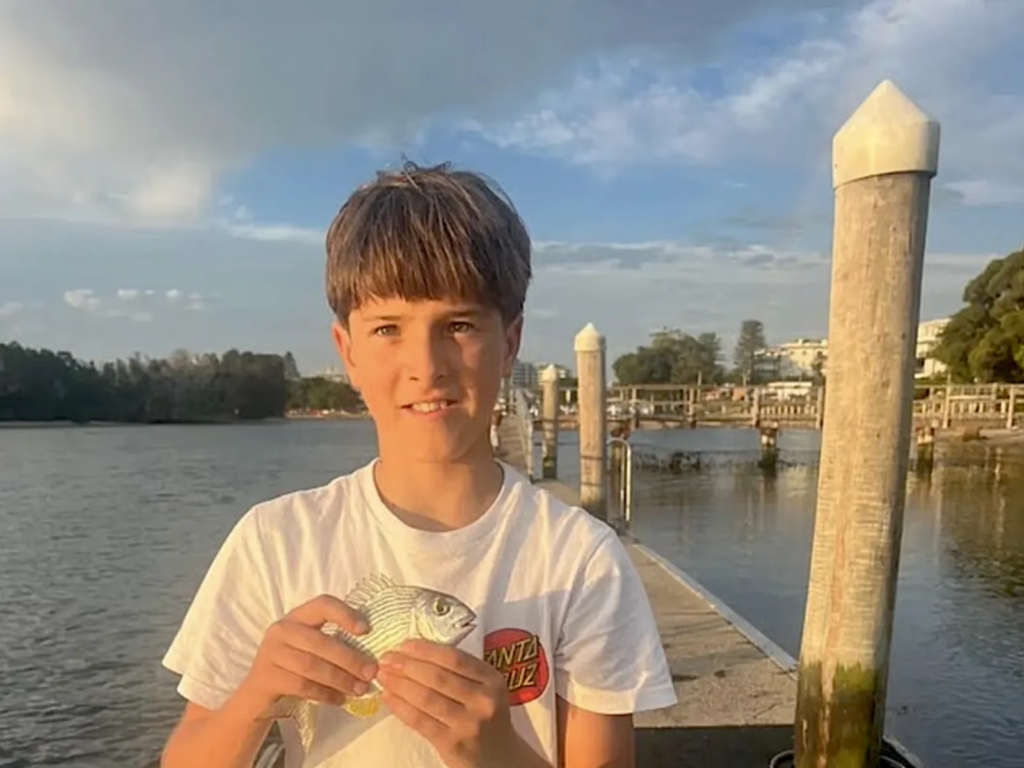
Marine biologists and environmental experts pointed to a convergence of natural factors that may have contributed to the spike in activity. Several days of heavy rainfall had preceded the attacks, significantly altering coastal conditions. Bull sharks, the species suspected in multiple incidents, are known to prefer murky waters and are often drawn closer to shore during periods of runoff.
Experts explained that heavy rain flushes nutrients, debris, and organic matter from rivers into the ocean, increasing fish activity and attracting predators. Reduced water visibility also heightens the risk of accidental encounters between sharks and humans, as sharks rely on movement and contrast to identify prey. In such conditions, mistaken identity attacks become more likely.
In response to the heightened risk, beaches across Sydney were temporarily closed as a precautionary measure. Authorities deployed additional surveillance, including drones and patrols, to monitor shark activity. Many beaches reopened once weather conditions improved, coinciding with the Australia Day long weekend, though warnings remained in place urging swimmers to exercise caution.
Community Grief, Fundraising, and Broader Safety Concerns
The death of Nico Antic has sparked an outpouring of grief across Sydney and among international audiences following the case. Messages of condolence flooded social media, and community members gathered to pay tribute to a boy remembered for his warmth, enthusiasm, and love of sport. His parents’ statement described Nico as “always full of life,” a sentiment echoed by friends and teachers who remembered him as a bright and compassionate child.
Read : Cabo Verde: The Radiant Islands of the Atlantic
An online fundraiser established to support Nico Antic’s family raised approximately $240,000, reflecting widespread public sympathy and a desire to help the family cope with funeral expenses and other costs associated with their loss. The rapid response underscored how deeply the incident resonated with the public, particularly parents and coastal communities familiar with the risks of ocean recreation.
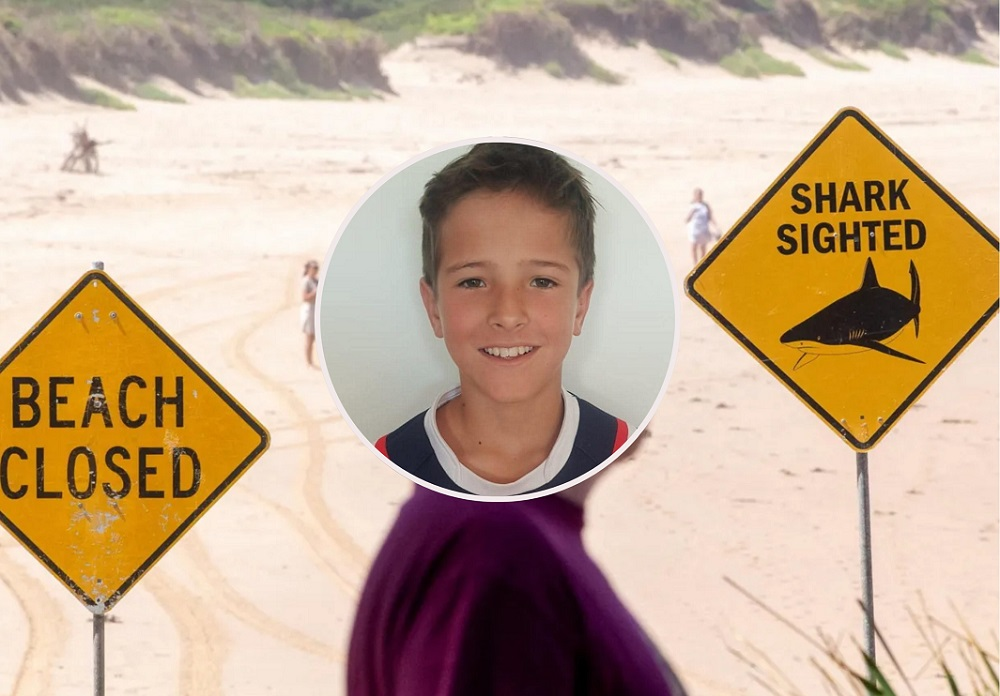
Beyond personal grief, the tragedy has prompted renewed debate about shark management strategies in Australia. While the country is no stranger to shark encounters, fatal attacks remain statistically rare. Nonetheless, high-profile incidents often lead to calls for stronger preventative measures, including expanded use of shark nets, drumlines, and real-time monitoring technology.
Conservation groups caution against reactive policies that could harm marine ecosystems, emphasizing the need for evidence-based approaches that balance human safety with environmental protection. They argue that improved public education, better warning systems, and temporary beach closures during high-risk conditions are more effective than lethal control measures.
The New South Wales government has reiterated its commitment to non-lethal shark mitigation strategies, including drone surveillance, sonar detection, and public alert systems. Authorities also continue to stress the importance of heeding weather advisories and avoiding swimming in murky waters, near river mouths, or during periods of heavy rainfall.
Nico Antic’s death has become a sobering reminder of the unpredictable power of nature and the inherent risks associated with ocean activities. While experts emphasize that such tragedies are rare, they also acknowledge that climate variability and changing marine patterns may increase the frequency of close encounters between humans and sharks in the future.
As Sydney and the broader New South Wales community mourns the loss of a young life, attention remains focused on understanding the circumstances that led to the attack and preventing similar incidents. For Nico Antic’s family, the focus is on remembering a son whose life, though tragically short, left a profound impact on those who knew him.