
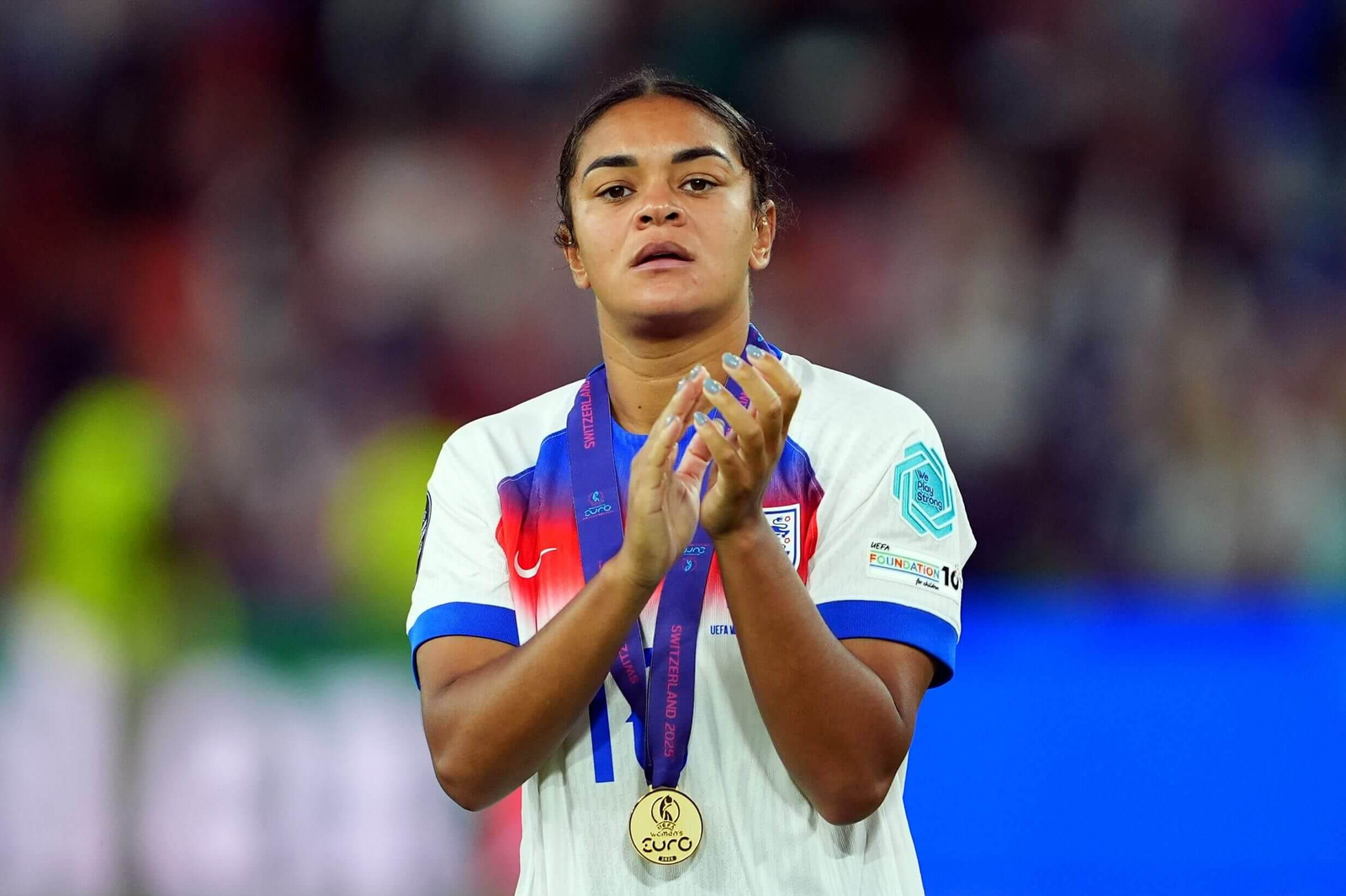
The sentencing of a 60-year-old man for racially abusing an England women’s football player has drawn renewed attention to the persistent issue of online hate in modern sports culture. The case underscores how digital platforms, while offering connectivity and visibility, also expose athletes to targeted abuse that can have serious psychological consequences.
The incident, which unfolded during a major international football tournament, reflects a broader pattern of discrimination faced by athletes—particularly women and people of color—who compete on prominent stages. The court’s decision to impose a suspended sentence rather than immediate imprisonment has sparked discussion about accountability, rehabilitation, and the legal system’s role in addressing online misconduct.
The Incident and Legal Proceedings
Nigel Dewale, a resident of Great Harwood in Lancashire, was found guilty of posting racially abusive messages directed at England footballer Jess Carter on TikTok. The posts were made during the Women’s European Championship, a high-profile tournament that attracted significant public attention and media coverage. Dewale’s comments were posted in response to a news article discussing ongoing police investigations into racist abuse directed at Carter earlier in the competition, following England’s matches against France and Sweden.
Authorities were able to trace the offensive messages back to Dewale, leading to his arrest and subsequent charge of sending a grossly offensive message via a public communications network. The legal proceedings culminated at Blackburn Magistrates’ Court, where Dewale had already entered a guilty plea. The court sentenced him to six weeks in custody, but the sentence was suspended for a period of 12 months. This means that while a custodial sentence was imposed, it will not be served unless Dewale commits another offense within the suspension period.
In addition to the suspended sentence, the court issued a four-year football banning order, restricting Dewale from attending football matches. Although it was noted during proceedings that he had not attended games for many years, the ban serves as a symbolic and preventive measure. Further penalties included a three-month curfew and a requirement to complete ten rehabilitation activity days as part of a community order. These measures were designed to address both punishment and behavioral correction.
Read : China Urged 140,000 Tibetans to Relocate from Their Villages: Human Rights Watch
The judge emphasized that Dewale had come close to receiving an immediate custodial sentence, highlighting the seriousness of the offense. However, mitigating factors played a role in the final decision. Dewale’s responsibilities as the primary caregiver for his 20-year-old daughter, who suffers from epilepsy, were taken into account. The defense argued that imprisoning him would significantly impact her well-being, a consideration that influenced the court’s approach.
Impact on Jess Carter and the Wider Issue of Online Abuse
Jess Carter, a professional footballer who plays club football in the United States, was significantly affected by the abuse. At the time of the incident, she was representing England on an international stage, a moment that should have been defined by achievement and national pride. Instead, the experience was marred by targeted racial hostility that had tangible emotional consequences.
Read : Five Iranian Footballers Granted Humanitarian Visas in Australia After Anthem Protest
According to the prosecution, the abuse left Carter feeling anxious and genuinely fearful. The psychological impact was severe enough that she became reluctant to leave her hotel during the tournament. This reaction illustrates how online harassment can extend beyond the digital sphere and disrupt real-life behavior and mental well-being. The notion that online comments are less harmful because they occur behind a screen was directly challenged in court, with the judge noting that such actions can have profound real-world effects.

Carter eventually stepped away from social media platforms in response to the abuse. This decision reflects a growing trend among athletes who choose to limit their online presence as a protective measure. While this may reduce exposure to harmful content, it also highlights a troubling reality: individuals are often forced to withdraw from public spaces due to the actions of others, rather than those responsible for abuse being effectively deterred.
Beyond the individual case, the incident sheds light on systemic issues within sports and society. Black female athletes, in particular, often face a combination of racial and gender-based stereotypes that amplify the intensity and frequency of abuse. Carter has previously spoken about these challenges, drawing attention to the intersectional nature of discrimination in sports. Her experience is not isolated but part of a broader pattern that continues to affect many athletes across different levels of competition.
The visibility of major tournaments can exacerbate these issues, as players become more exposed to public scrutiny. Social media platforms, while enabling fan engagement, also provide a direct channel for abuse. The lack of immediate accountability and the perceived anonymity of online environments can embolden individuals to express views they might otherwise suppress in face-to-face interactions.
Judicial Perspective and the Question of Accountability
The court’s handling of the case reflects an evolving judicial approach to online offenses. District Judge Tony Watkin addressed the misconception that crimes committed via digital platforms are inherently less serious than those occurring in physical settings. In his remarks, he stressed that the opposite is true, as such messages can reach wide audiences and inflict significant harm on victims.
Read : Who is Christopher Redding, 16-Year-Old Bronx Football Star Fatally Shot While Protecting Friends?
The decision to impose a suspended sentence rather than immediate imprisonment highlights the balance courts often seek between punishment and rehabilitation. In this instance, the judge acknowledged the severity of the offense while also considering the defendant’s personal circumstances and the potential for reform. The requirement for rehabilitation activities suggests an emphasis on addressing underlying attitudes and preventing future offenses.

However, the case also raises questions about whether suspended sentences provide sufficient deterrence in cases of online abuse. Critics may argue that stronger penalties are necessary to send a clear message about the consequences of such behavior. Others may contend that rehabilitation-focused measures are more effective in promoting long-term change, particularly when combined with legal oversight and community-based interventions.
The football banning order, while largely symbolic in this case, represents another dimension of accountability. It reinforces the idea that individuals who engage in abusive behavior may be excluded from the communities and events they seek to engage with. Even if Dewale was not an active match attendee, the ban serves as a formal acknowledgment of wrongdoing within the context of the sport.
The case also underscores the importance of law enforcement capabilities in addressing online crimes. The successful tracing of the messages to Dewale demonstrates that digital anonymity is not absolute and that individuals can be held accountable for their actions. This aspect is crucial in challenging the perception that online spaces operate beyond the reach of legal systems.
At a broader level, the incident contributes to ongoing discussions about the responsibilities of social media platforms. While legal action can address individual cases, preventing abuse at scale requires systemic solutions, including improved moderation, reporting mechanisms, and user education. The interplay between legal frameworks and platform policies will likely remain a central issue as societies continue to navigate the complexities of digital communication.
The case involving Nigel Dewale and Jess Carter serves as a reminder that progress in combating discrimination requires sustained effort across multiple fronts. Legal accountability, social awareness, and institutional support all play a role in addressing the root causes of abuse. For athletes like Carter, the hope is that increased recognition of these issues will lead to safer and more inclusive environments, both online and offline.