
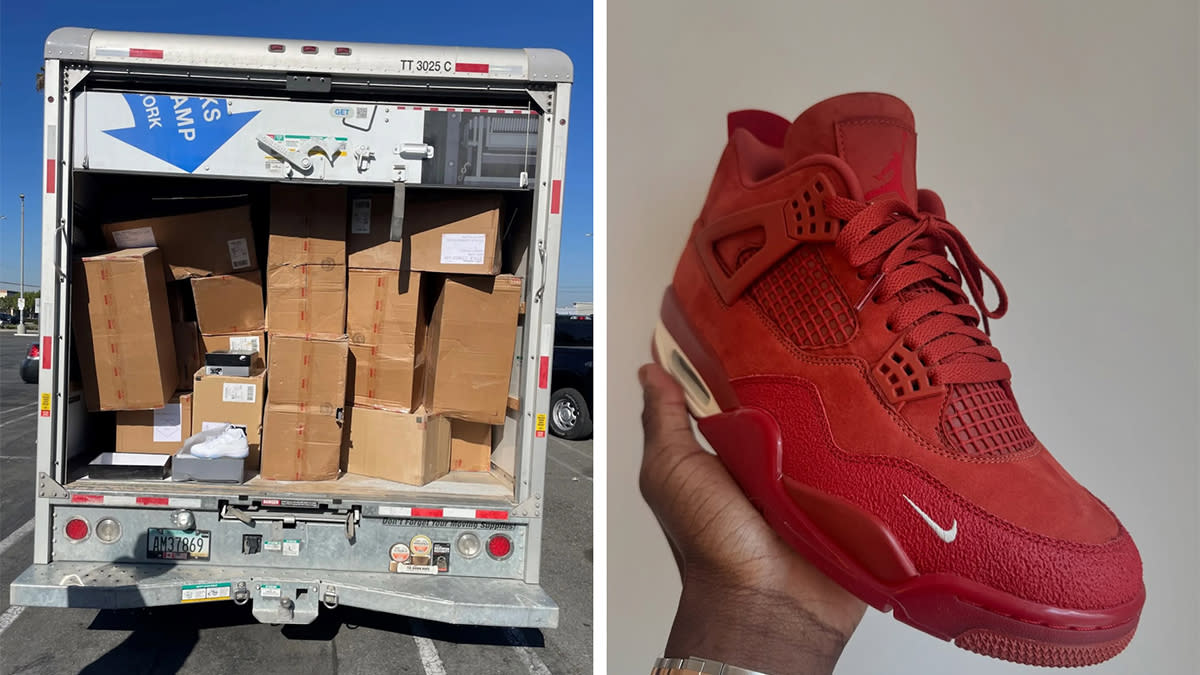
The recent arrest of two individuals linked to a series of Nike Shoes Worth Millions Stolen in Train Heist in Arizona has brought attention to a growing issue in the United States. Authorities have been investigating a string of robberies where criminals have targeted freight trains carrying high-value goods, including Nike sneakers worth millions of dollars.
The suspects, both Mexican nationals who were in the country illegally, were apprehended following a dramatic police chase that ended in a crash near the Arizona-California border. These incidents highlight the increasing sophistication of organized crime rings involved in cargo theft and the challenges law enforcement faces in tackling this problem.
The Arrest and Police Chase
Arizona authorities, in collaboration with the Hualapai Nation Police Department, executed traffic stops on two vehicles believed to be connected to multiple train hijackings. The first incident occurred when police pulled over a maroon Chevy Tahoe at approximately 2:40 a.m.
Upon stopping the vehicle, eight individuals fled on foot, leaving behind a male driver who was immediately taken into custody. A search of the vehicle led to the discovery of some of the stolen Nike sneakers, reinforcing suspicions of its involvement in the crime spree.
In a separate stop on the same day, police attempted to halt a white Toyota 4Runner on Highway 66. The female driver initially complied but then abruptly re-entered her vehicle and sped away, striking a patrol officer in the process. Fortunately, the officer was unharmed.
The pursuit continued for 80 miles along Interstate 40, culminating near the Arizona-California border. As the suspect attempted to evade law enforcement in a construction zone, she lost control of her vehicle, crashed into a guardrail, and was ejected from the car.
She sustained minor injuries and was transported to a nearby medical center for treatment before being booked into the Mohave County Adult Detention Center alongside the male suspect.
Read : The Acropolis of Athens: A Timeless Symbol of Ancient Glory
Authorities have refrained from disclosing additional details about the suspects, except for confirming their Mexican nationality and illegal status in the U.S. The arrests mark a significant breakthrough in the investigation of a series of train heists that have targeted freight shipments carrying high-value goods.
The Scope of the Train Heists
The thefts of Nike sneakers and other goods have been an ongoing problem in the Mojave Desert region. Reports indicate that at least $2 million worth of Nike shoes have been stolen in recent months.
Investigators believe that the heists are well-coordinated, involving criminals who carefully plan their attacks on slow-moving freight trains, often during track changes or scheduled stops.
One of the most notable heists took place in January near Perrin, Arizona, where thieves cut an air brake hose on a BNSF freight train, bringing it to a halt.
They then made off with approximately 1,900 pairs of unreleased Nike sneakers valued at more than $440,000. These limited-edition shoes later hit the market at a retail price of $225 per pair, making them a lucrative target for black-market sales.
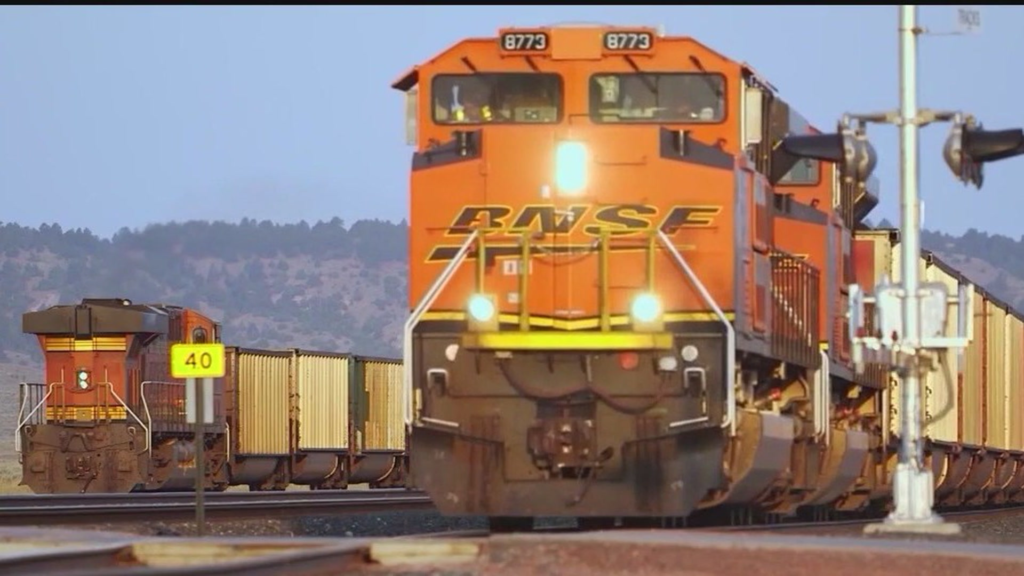
Eleven individuals were charged in connection with the January theft, and all pleaded not guilty. Arizona magistrate judges ordered them detained until trial, citing their high flight risk. The charges against them include possession or receipt of stolen goods from an interstate shipment.
Court records indicate that ten of the eleven suspects were Mexican nationals illegally residing in the United States, while one was a Mexican citizen undergoing asylum proceedings.
Authorities suggest that the thieves may have had inside information, possibly obtained from associates working in warehouses or logistics companies. These criminal networks use “follow vehicles” to track targeted railcars and assist in unloading stolen merchandise.
By tossing stolen goods off the train after it comes to a stop, thieves can quickly transport them to waiting vehicles and flee the scene before law enforcement can respond.
The Rising Threat of Cargo Train Thefts
Cargo train thefts have become a nationwide concern, costing the six largest U.S. freight railroads over $100 million annually. These losses stem not only from the value of stolen goods but also from the cost of repairing damaged railcars and infrastructure.
The problem has escalated in recent years, with theft incidents increasing by approximately 40% last year to 65,000 cases nationwide. Freight railroads transport a wide array of goods across 140,000 miles of track, making security enforcement a daunting task.
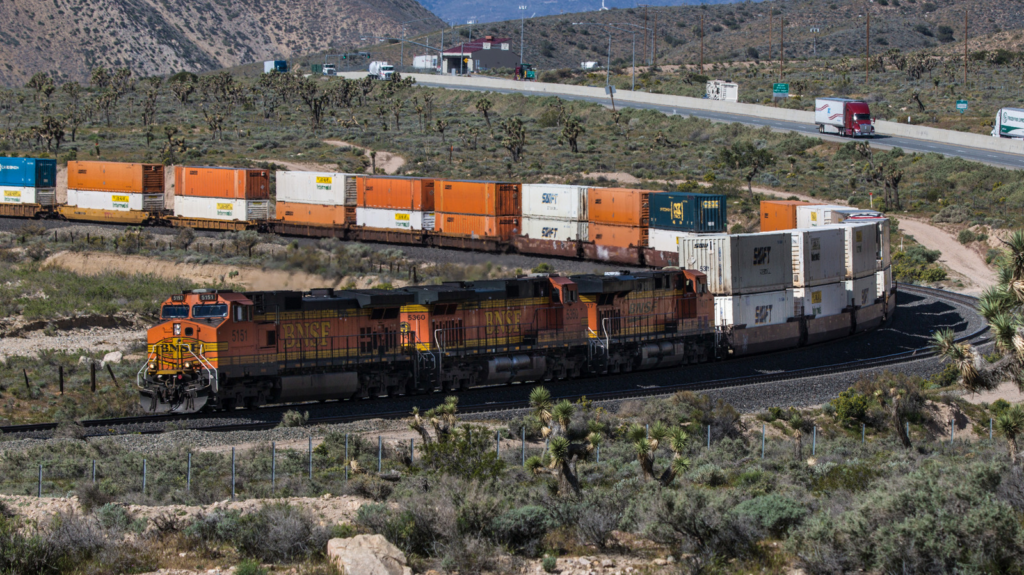
The rail network traverses both urban and remote areas, exposing it to opportunistic criminals who exploit vulnerabilities in the system. While rail operators have invested millions in enhanced security measures, such as surveillance systems and tracking technology, preventing cargo theft remains a persistent challenge.
Law enforcement officials emphasize that tougher penalties and increased federal enforcement are necessary to deter organized train theft rings. Currently, only about 10% of attempted thefts result in arrests, and many of those arrested are repeat offenders.
In some cases, suspects have been apprehended multiple times in a single day, only to return to criminal activities shortly after being released.
The Association of American Railroads has called for stronger legal consequences for cargo theft to reduce its prevalence. They argue that lenient penalties and gaps in enforcement encourage criminals to continue targeting freight trains.
Without significant policy changes and increased resources for law enforcement, these thefts are likely to persist and even grow in scale.
As authorities continue to investigate the recent train heists, they are working to dismantle the broader network of criminals involved in cargo theft.
The arrests of the two suspects in Arizona represent a small but critical step toward combating this rising crime wave. However, unless more aggressive measures are taken at a national level, freight train thefts will continue to pose a serious economic and security threat.