

In a shocking and bizarre incident from Japan, a 56-year-old restaurant owner named Nobuhiko Suzuki was arrested after police discovered he had been hiding his deceased father’s body in a closet for two years.
The revelation has stirred a wave of astonishment across Japan and the world, shedding light on deeper social issues such as financial hardship, isolation, and the burden of traditional funeral practices. This unsettling story highlights the extreme measures some individuals might take when pushed to the brink by economic and emotional struggles.
The Shocking Discovery: How Suzuki’s Secret Came to Light
Nobuhiko Suzuki’s carefully concealed secret came undone when he suddenly stopped appearing at his Chinese restaurant in Tokyo. His unexplained absence over a week caused concern among neighbors and acquaintances, who eventually contacted the authorities.
When police officers visited his residence to check on his well-being, they stumbled upon a horrifying sight—the skeletal remains of Suzuki’s father hidden inside a wardrobe. Suzuki later confessed that he had discovered his father dead at home in January 2023.
Overwhelmed by the high funeral costs, he decided against reporting the death or arranging a proper funeral. Instead, he concealed his father’s body in the closet, hoping to sidestep the expenses. He cited financial hardship as the primary reason for his actions, a claim that resonates with the growing economic challenges faced by many in modern Japan.
Read : Japan’s Largest and Wealthiest Yakuza Gang Yamaguchi-gumi Vowed to End War with Rival Gang
Initially, Suzuki reportedly experienced profound remorse. Living daily with the hidden remains weighed heavily on him. However, over time, he began to feel unburdened, harboring resentment towards his father, whom he blamed for the many hardships he had endured.
Authorities have since taken Suzuki into custody and are also investigating possible pension fraud, raising the possibility that he may have continued to collect his father’s pension during the two-year concealment.
Financial Pressures and Funeral Costs in Japan
Suzuki’s drastic actions have brought attention to the significant financial burden associated with funerals in Japan. Traditionally, Japanese funerals are elaborate affairs that can cost an enormous amount of money.
A survey by San Holdings Inc. revealed that funeral expenses in Japan now average around 1.3 million yen, approximately $8,900. Although this figure represents a slight decrease from pre-pandemic levels, it still constitutes a major expense for many families.
The survey also indicated that over 60 percent of respondents expected funeral costs to be under 1 million yen, reflecting a shift toward more modest ceremonies. Despite this trend, the expenses involved can still be prohibitive, especially for those already grappling with economic difficulties.
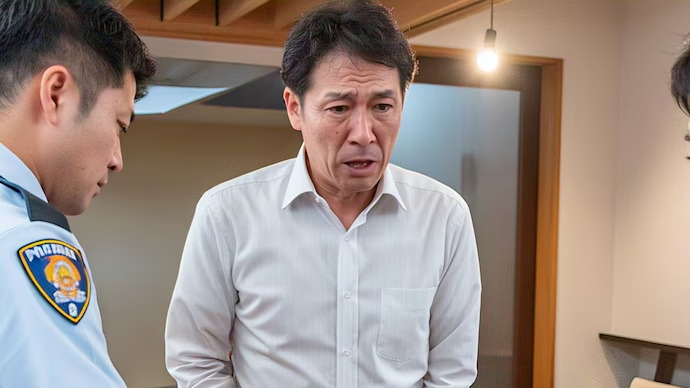
The financial pressure associated with traditional funeral practices, coupled with a rigid sense of social obligation, can place an enormous burden on individuals who lack sufficient resources.
Japan’s aging population further complicates matters. With a rapidly growing number of elderly citizens and an increasingly fragile social safety net, the incidence of similar cases may continue to rise. This is not the first case of its kind in Japan.
In 2023, another 56-year-old man, unemployed and living with his 72-year-old mother, concealed her death for three years while continuing to collect her pension, amounting to nearly 2 million yen. These cases reveal a troubling pattern where financial desperation can lead people to make harrowing choices.
The Broader Social Implications: Isolation, Desperation, and Hidden Hardships
Beyond the shocking surface of Suzuki’s case lies a tapestry of broader social issues facing contemporary Japan. One prominent concern is the phenomenon of isolation among middle-aged and elderly individuals.
Known as “kodokushi” or “lonely death,” this phenomenon involves individuals dying alone without anyone noticing for extended periods—a growing problem in Japanese society.
Suzuki’s life circumstances point to a deeper emotional and psychological struggle. Running a small restaurant, dealing with financial instability, and presumably managing a strained relationship with his father, he found himself trapped between duty and desperation. His initial remorse suggests a conflicted conscience, torn between societal expectations and personal hardship.
Additionally, the stigma surrounding financial failure and familial obligations in Japan cannot be ignored. Traditionally, family honor and social appearance play significant roles in individual decision-making.
Admitting an inability to afford a funeral could be seen as a deep personal failure, further isolating individuals like Suzuki. This toxic blend of financial strain, social pressure, and emotional isolation can push people toward actions that seem unimaginable.
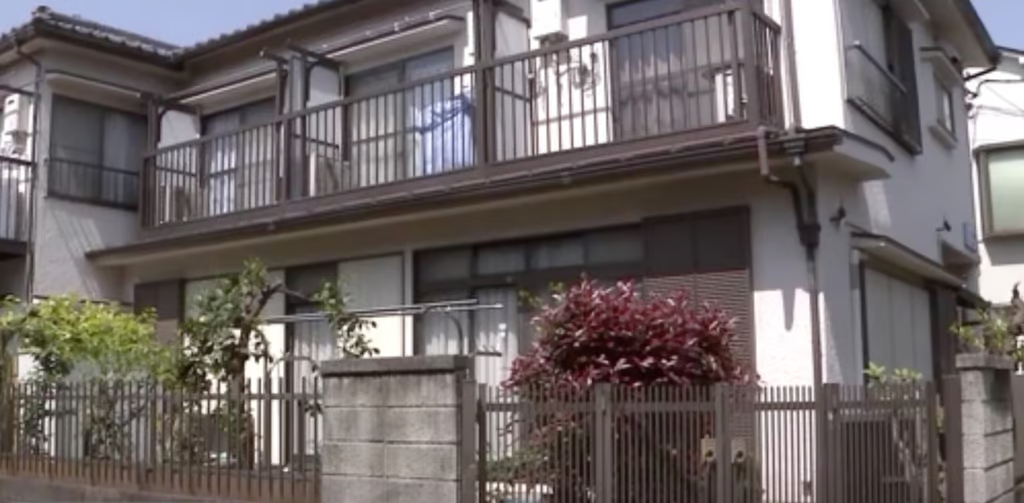
Authorities investigating Suzuki’s case are also examining the potential for pension fraud, suggesting that financial motivations may have been even more complex than initially admitted. Whether Suzuki continued collecting his father’s pension is yet to be fully determined, but the suspicion alone hints at the moral compromises people might make when survival is at stake.
Moreover, Suzuki’s belief that his father was responsible for his life’s difficulties adds another layer to the tragedy. Resentment and unresolved familial conflicts can exacerbate feelings of entrapment, especially when combined with economic pressures.
What emerges is a portrait of a man overwhelmed by forces both internal and external, making a grim decision that would eventually unravel under the weight of its own horror.
Japan’s demographic changes—marked by a shrinking, aging population—and the economic vulnerabilities faced by the middle-aged and elderly are laying bare systemic cracks that these individual tragedies merely spotlight.
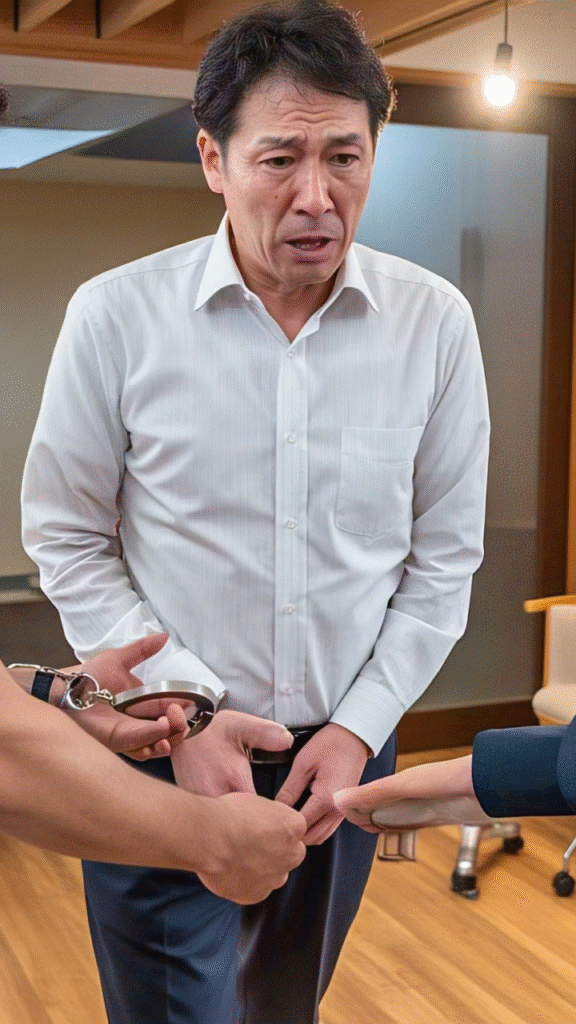
Without adequate support systems and reforms in both social welfare and funeral industry practices, such cases may become more frequent, each one a testament to unseen suffering behind closed doors.
The bizarre and tragic story of Nobuhiko Suzuki hiding his father’s body for two years is more than just an unsettling headline—it is a mirror reflecting the deeper fractures in Japanese society. Financial hardship, emotional isolation, societal pressure, and an aging population converge to create conditions where such shocking acts can occur.
Suzuki’s case underscores the urgent need for greater societal support structures, affordable funeral options, and mental health resources for those grappling with despair. It also calls for a reassessment of cultural expectations surrounding death and familial duty, ensuring that compassion and practical support replace stigma and judgment.
Ultimately, while the actions taken by Suzuki are indefensible, understanding the circumstances that led to this tragedy is essential if society hopes to prevent similar incidents in the future. Beneath the bizarre headlines lie complex human stories—stories of pain, struggle, and ultimately, a desperate attempt to cope with an unbearable reality.