
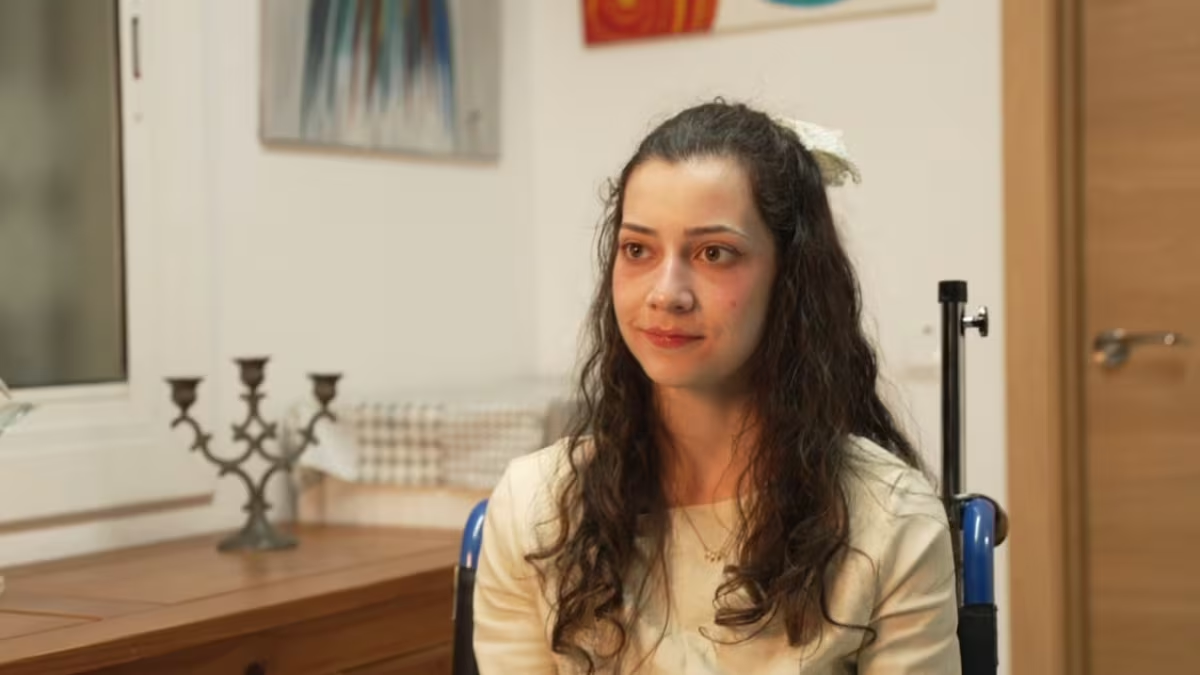
The story of Noelia Castillo, a 25-year-old Spanish woman, drew widespread attention across Europe and beyond, not only because of the deeply personal nature of her suffering but also due to the legal and ethical questions her case raised. Her decision to pursue euthanasia came after years of physical and psychological pain, culminating in a prolonged legal battle with her own father, who opposed her choice. The case highlighted the complexities surrounding assisted dying laws, especially when mental health, family opposition, and questions of autonomy intersect. Castillo’s life, marked by trauma, resilience, and ultimately a controversial decision, became a focal point in ongoing debates about individual rights and medical ethics.
A Life Shaped by Trauma and Chronic Suffering
Noelia Castillo’s struggles began long before her legal fight over euthanasia. From a young age, she dealt with psychiatric illness and had been undergoing treatment since she was 13. Her mental health challenges were a constant presence in her life, shaping her outlook and daily experiences. Despite ongoing care, she continued to face deep emotional distress that would later play a central role in the arguments against her request for assisted death.
In October 2022, her life took a devastating turn following a sexual assault. The trauma from this incident compounded her existing mental health struggles and led to a suicide attempt. The attempt left her with severe physical consequences, resulting in paraplegia and chronic pain that required her to use a wheelchair. From that point onward, Castillo’s condition was not only psychological but also intensely physical, with constant suffering that she described as unbearable.
Over the following months, she lived with a combination of persistent pain and emotional torment. Her condition met the legal definition of a serious and chronic illness under Spanish euthanasia law, which includes both physical and mental suffering that cannot be alleviated in a way the patient finds tolerable. Castillo expressed that her quality of life had deteriorated to the point where she found no meaning or relief in daily existence. She described her world as “very dark,” emphasizing a complete absence of goals, motivation, or hope.
Read : Bear That Swiped at Monrovia Woman Euthanized by Wildlife Officials
Despite her circumstances, Castillo rejected the portrayal of her as entirely helpless. She spoke about maintaining some level of independence, such as getting out of bed, showering, and taking care of her appearance on her own. These statements were significant because they countered arguments suggesting she lacked the capacity to make informed decisions. Her insistence on being understood as capable and conscious became central to her case.
The Legal Battle Over the Right to Die
Spain legalized euthanasia in 2021, allowing adults with serious and incurable illnesses or severe chronic conditions to request assisted death under strict conditions. Applicants must be mentally competent at the time of their request, submit written applications, and undergo multiple evaluations by independent medical professionals before approval is granted by a regional oversight committee.
Castillo’s application for euthanasia met the procedural requirements, but it quickly became the subject of intense legal scrutiny. Her father, supported by an ultra-conservative advocacy group, challenged her request in court. They argued that her psychiatric condition undermined her ability to make a fully informed and rational decision about ending her life. This argument reflected a broader concern within euthanasia debates: whether individuals with mental health issues can truly exercise autonomous choice in such irreversible decisions.
The legal dispute extended over approximately 18 months, moving through various levels of the Spanish judicial system. During this time, Castillo’s case became widely known, drawing public attention and sparking debate about the boundaries of personal autonomy. Supporters argued that denying her request would be a violation of her rights, while opponents maintained that her vulnerability required protection rather than facilitation of her death.
The case ultimately reached the European Court of Human Rights, where her father sought to halt the euthanasia process. The court rejected the request, effectively allowing the Spanish authorities’ decision to stand. This ruling marked a decisive moment, affirming that Castillo’s case had met the legal criteria established under Spain’s euthanasia law.
The legal process itself illustrated the safeguards embedded in the system, including multiple layers of review and the involvement of independent medical experts. It also exposed the emotional toll such proceedings can take, particularly when family members are in direct opposition. Castillo’s determination to pursue her choice, despite prolonged legal resistance, underscored her conviction about her situation and her desire for control over her own life.
Her Final Decision and the Broader Debate on Euthanasia
Following the court’s decision, Noelia Castillo’s request for euthanasia was carried out in a medical facility in Sant Pere de Ribes, in the province of Barcelona. Her death marked the end of a deeply personal journey that had become a matter of public discussion and legal precedent. In the days leading up to her death, she gave a television interview in which she spoke candidly about her decision.
Read : Steer Euthanized After Injury During Wrestling Event at Houston Rodeo
In her own words, Castillo emphasized that her choice was rooted in a desire to end her suffering peacefully. She expressed exhaustion not only from physical pain but also from the mental anguish that had defined much of her life. Her statements reflected a sense of finality, as she explained that she no longer wished to engage in everyday activities or pursue future goals. For her, euthanasia represented a form of relief rather than despair.
🇪🇸 A 25-year-old Spanish woman just died by euthanasia, and her lawyer claims the hospital pressured for it because her organs were already committed for transplant.
— Mario Nawfal (@MarioNawfal) March 27, 2026
Noelia Castillo had been raped by her ex-boyfriend, then gang-raped in a state youth center by 3 North African… pic.twitter.com/Hxls4A2Pxt
Importantly, Castillo made it clear that she did not want her decision to be interpreted as an example for others. She rejected the idea of her case serving as a model or encouragement for people considering similar actions. Instead, she framed her decision as deeply personal, emphasizing that her life circumstances were unique and not representative of a broader path others should follow.
Her death reignited discussions about euthanasia laws, particularly regarding cases involving psychiatric conditions. Critics of the law argued that it risks enabling vulnerable individuals to end their lives prematurely, while supporters maintained that it provides a compassionate option for those experiencing unbearable suffering. Castillo’s case highlighted the tension between these perspectives, illustrating the difficulty of balancing protection with respect for individual autonomy.
Statistics from Spain’s health ministry indicate that more than a thousand people have undergone assisted death since the law came into effect in 2021. Each case involves rigorous evaluation, but Castillo’s situation stood out due to the combination of physical disability, mental health challenges, and family opposition. It brought renewed focus to the ethical questions surrounding who should qualify for euthanasia and under what circumstances.
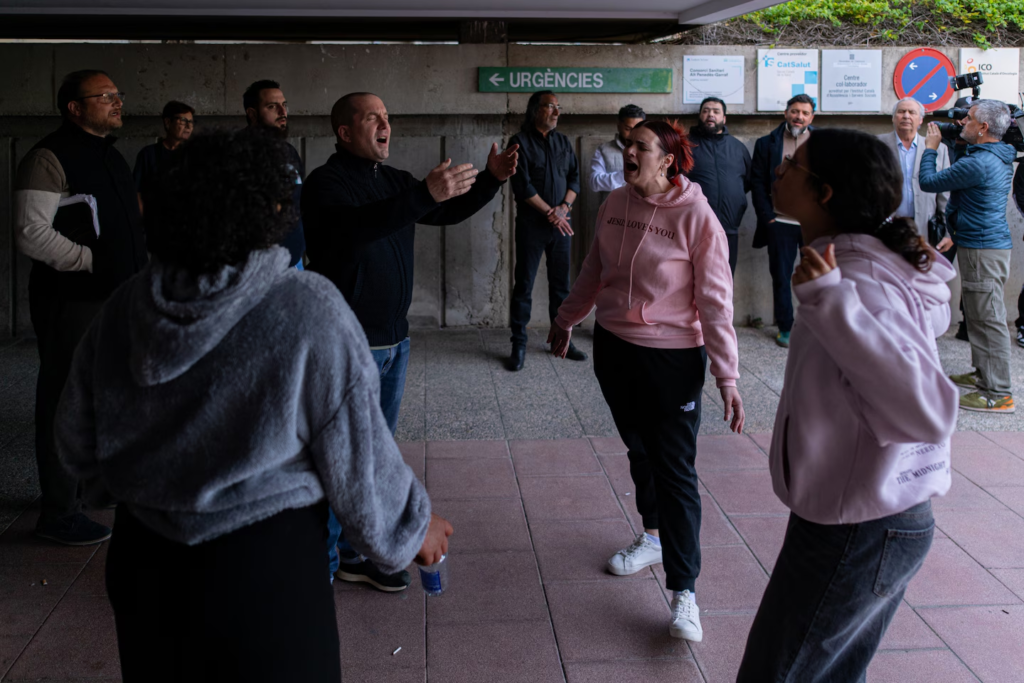
Outside the hospital where Castillo died, advocacy groups opposing euthanasia reiterated their stance, calling for the law to be abolished. They emphasized the value of preserving life and expressed concern about the implications of allowing assisted death in cases involving psychological suffering. Meanwhile, others viewed Castillo’s case as a testament to the importance of respecting personal choice, even in the face of controversy.
The story of Noelia Castillo remains a significant point of reference in ongoing debates about euthanasia. It encapsulates the complexities of modern medical ethics, where legal frameworks, personal autonomy, and societal values intersect. Her life and death continue to provoke discussion about the limits of choice, the role of the state in end-of-life decisions, and the responsibilities of families and medical professionals in such deeply sensitive matters.