

In the bustling world of Indonesian cinema, where family dramas often tug at the heartstrings of audiences, few stories have ignited as much controversy and fascination as Norma: Antara Mertua dan Menantu. Released in theaters on March 31, 2025, and later dominating Netflix charts across Southeast Asia, this film transforms a deeply personal betrayal into a gripping tale of love, deceit, and redemption.
Based on the real-life scandal that rocked social media in 2022, Norma tells the harrowing story of a young woman whose seemingly idyllic marriage crumbles under the weight of her husband’s affair with her own mother. What began as a raw TikTok confession has evolved into a cinematic phenomenon, sparking debates on trust, family bonds, and the ethics of turning private pain into public entertainment. As of September 2025, the film continues to trend, not just for its scandalous plot, but for its unflinching portrayal of domestic turmoil in a conservative society.
The film’s success is no accident. Produced by Dee Company, it taps into Indonesia’s growing trend of adapting viral social media scandals into feature films—a formula that has proven lucrative with previous hits like Ipar Adalah Maut and Layangan Putus. These stories resonate because they mirror the hidden fractures in everyday lives, amplified by the immediacy of platforms like TikTok.
Norma has climbed to the top three most-watched films on Netflix in Indonesia, Malaysia, and Singapore, where large Malay-Muslim communities find the themes particularly poignant. Critics and viewers alike praise its emotional depth, though some decry it as exploitative. Yet, for many, it’s a cathartic exploration of betrayal that feels all too real. With a runtime of about two hours, the movie blends melodrama with moments of raw vulnerability, leaving audiences in tears and deep reflection.
The Scandal That Shook Serang: A True Story Goes Viral
The roots of Norma trace back to a humid afternoon in Serang City, on Indonesia’s Java island, in late 2022. Norma Risma, then a 23-year-old newlywed, sat before her phone camera and poured out her soul in a TikTok video that would alter her life forever. In the clip, her voice trembling with a mix of rage and heartbreak, she detailed the unthinkable: her husband, Rozy, had been carrying on a clandestine affair with her biological mother, Rihanah.
The video, raw and unfiltered, exploded overnight, amassing millions of views within days. Hashtags like #AffairMertuaMenantu and #NormaRisma trended across Indonesian social media, turning a private family crisis into a national spectacle. Norma and Rozy’s romance had seemed like a fairy tale at first. They met in high school in 2017, bonding over shared dreams and youthful innocence. By 2021, after four years of courtship, they tied the knot in a modest ceremony surrounded by family.
Rozy appeared devoted, often joining family gatherings and endearing himself to Norma’s parents. But cracks appeared early. Norma later revealed in interviews that she endured years of domestic violence from Rozy, including physical abuse that left her isolated and fearful. The affair, however, was the final blow. In 2020, while scrolling through Rozy’s WhatsApp messages, Norma stumbled upon explicit exchanges with her mother—suggestive texts about showers and video calls that left her reeling.
Confronting Rozy yielded denials and gaslighting. “It was all a misunderstanding,” he insisted, but Norma knew better. The truth erupted dramatically when neighbors, suspicious of odd noises from the family home, raided the property and caught Rozy and Rihanah in a compromising position. The scandal didn’t stop there. Norma filed for divorce and lodged a police report against both for adultery, a bold move in Indonesia’s conservative Muslim-majority society where such matters are often hushed up.
Read : Chinese Cemetery in Thailand Hosts Unique Movie Night for Dead, Arranging Rows of Empty Seats
Rozy, humiliated, countersued Norma under the country’s Electronic Information and Transactions Law, claiming her viral posts had smeared his reputation. In a January 2023 statement, his lawyers decried the “damage to his good name,” but public sympathy overwhelmingly favored Norma. The fallout was swift and severe. Rihanah, Norma’s mother, received an eight-month prison sentence for adultery, while Rozy served nine months behind bars. Norma, meanwhile, became an overnight sensation—and target.
Supporters flooded her with messages of solidarity, hailing her as a symbol of resilience against betrayal. Detractors accused her of exaggeration for clout. The story dominated headlines, from local tabloids to national news outlets, exposing the underbelly of familial trust in a culture that reveres keluarga (family) above all. Norma’s 89-minute YouTube interview, where she recounted the abuse and discovery in excruciating detail, only fueled the fire, garnering further millions of views. What started as a cry for justice had inadvertently birthed a media frenzy, proving how social media can weaponize personal trauma into a collective obsession.
From TikTok Tears to Silver Screen: Crafting the Film
The leap from viral video to blockbuster film was remarkably swift, a testament to Indonesia’s agile film industry. Dee Company, spotting the story’s cinematic potential amid the 2022 buzz, approached Norma directly. To her credit, she didn’t just greenlight the project—she dove into its creation. Teaming up with acclaimed screenwriter Oka Aurora, known for scripting other TikTok-inspired dramas, Norma co-wrote the screenplay, ensuring the narrative stayed true to her lived nightmare while allowing for dramatic flourishes.
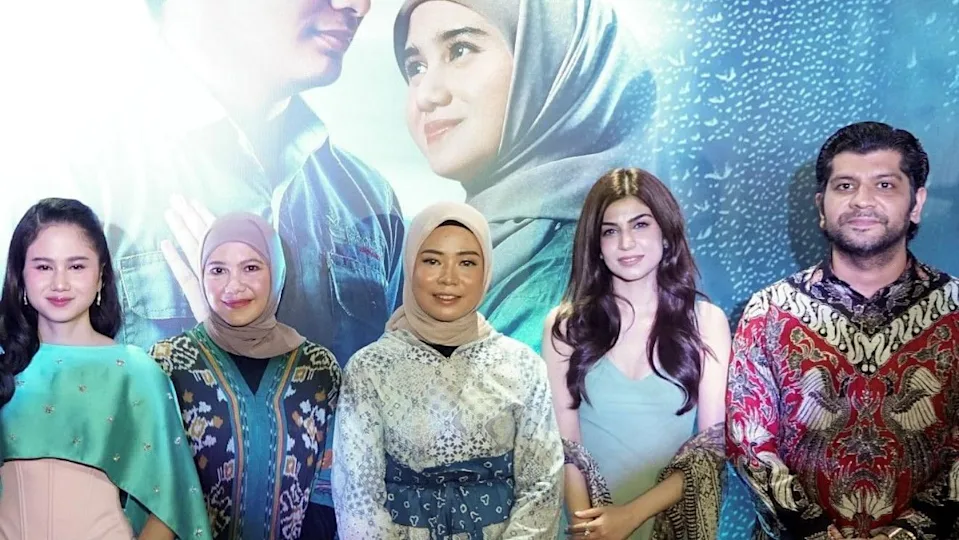
“We had intense discussions about her feelings and her mother’s backstory,” Oka later shared. “The core remains consistent, but certain parts were dramatized to play with the audience’s emotions.” Filming wrapped in late 2024, with a cast that brought star power to the scandal. Tissa Biani, a rising talent with a knack for emotional roles, embodies Norma as a wide-eyed bride shattered by deceit—her performance a masterclass in quiet devastation.
Yusuf Mahardika steps into Rozy’s shoes (renamed Irfan Wardhana in the film), portraying the charming facade masking a predator’s heart. But it’s Wulan Guritno as Rina, the seductive mother-in-law, who steals scenes with her layered portrayal of regret and desire. Supporting roles, including Rukman Rosadi as Norma’s devastated father Abdul, add depth to the family unraveling. Directed with a keen eye for intimate tension, the movie clocks in at 134 minutes, blending lush visuals of Javanese life with claustrophobic close-ups that amplify the betrayal.
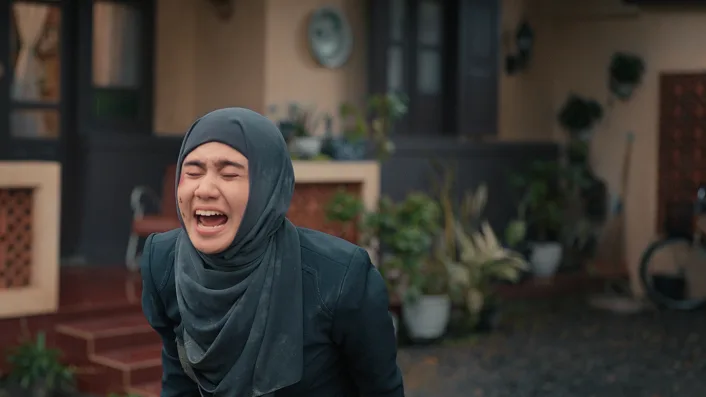
Key deviations from reality heighten the drama: In the film, Norma discovers the affair post-marriage during a family trip, whereas it actually predated their wedding. A vomiting scene upon the revelation captures the visceral shock, eliciting gasps from test audiences. The screenplay weaves in Norma’s claims of abuse, framing the story not just as scandal, but as a survivor’s journey.
Production faced whispers of controversy—some actors reportedly hesitated over the intimate scenes—but the commitment to authenticity prevailed. Released during the Lebaran holiday season, Norma grossed millions in its opening weekend, buoyed by packed theaters and word-of-mouth buzz. By August 2025, its Netflix debut propelled it to No. 2 in Singapore and top spots elsewhere, with Dee Company celebrating it as “a harsh slap about trust, family, and betrayal.”
Cultural Echoes and Lasting Impact: Why Norma Resonates
Norma‘s triumph speaks volumes about Indonesia’s evolving media landscape, where social media scandals are the new goldmine for filmmakers. This isn’t isolated; it’s part of a wave. Horror flicks from viral threads and infidelity tales from TikTok feuds have shattered box-office records, reflecting a society hungry for stories that validate private pains.
In a nation where 87% identify as Muslim and family honor is paramount, Norma dares to dissect taboo desires, prompting uncomfortable questions: How fragile is marital trust? What role does parental authority play in enabling abuse? Feminist critics like Jakarta Arts Council member Gietty Tarnowo praise it for centering the woman’s voice, though she cautions against narratives that sideline male accountability. “The man often escapes punishment,” she notes, a critique echoed in online forums.
The real Norma, now living quietly with her father after the family’s religious ties frayed, has mixed feelings about the spotlight. In a recent interview, she addressed a ustaz’s tweet decrying the film as a “sign of the end times,” responding, “This really happened—it’s not fiction.” Her involvement lent authenticity, but it also reopened wounds; Rozy’s post-prison media appearances, denying key details, stirred fresh backlash. Yet, for survivors of similar betrayals, Norma offers solace—a reminder that speaking out can lead to healing, even if imperfect.
As September 2025 unfolds, the film’s cultural footprint grows. It has sparked podcasts, university debates on digital ethics, and even policy talks on cyberbullying laws. Viewers in Malaysia and Singapore, sharing linguistic and cultural ties, report it hitting close to home, with one Singaporean reviewer calling it “a mirror to our own hypocrisies.” Box-office tallies exceed expectations, and whispers of international remakes circulate. Ultimately, Norma endures not despite its shock value, but because of it: a raw indictment of fractured families in a hyper-connected world. In turning agony into art, it reminds us that some stories, no matter how scandalous, demand to be told.