
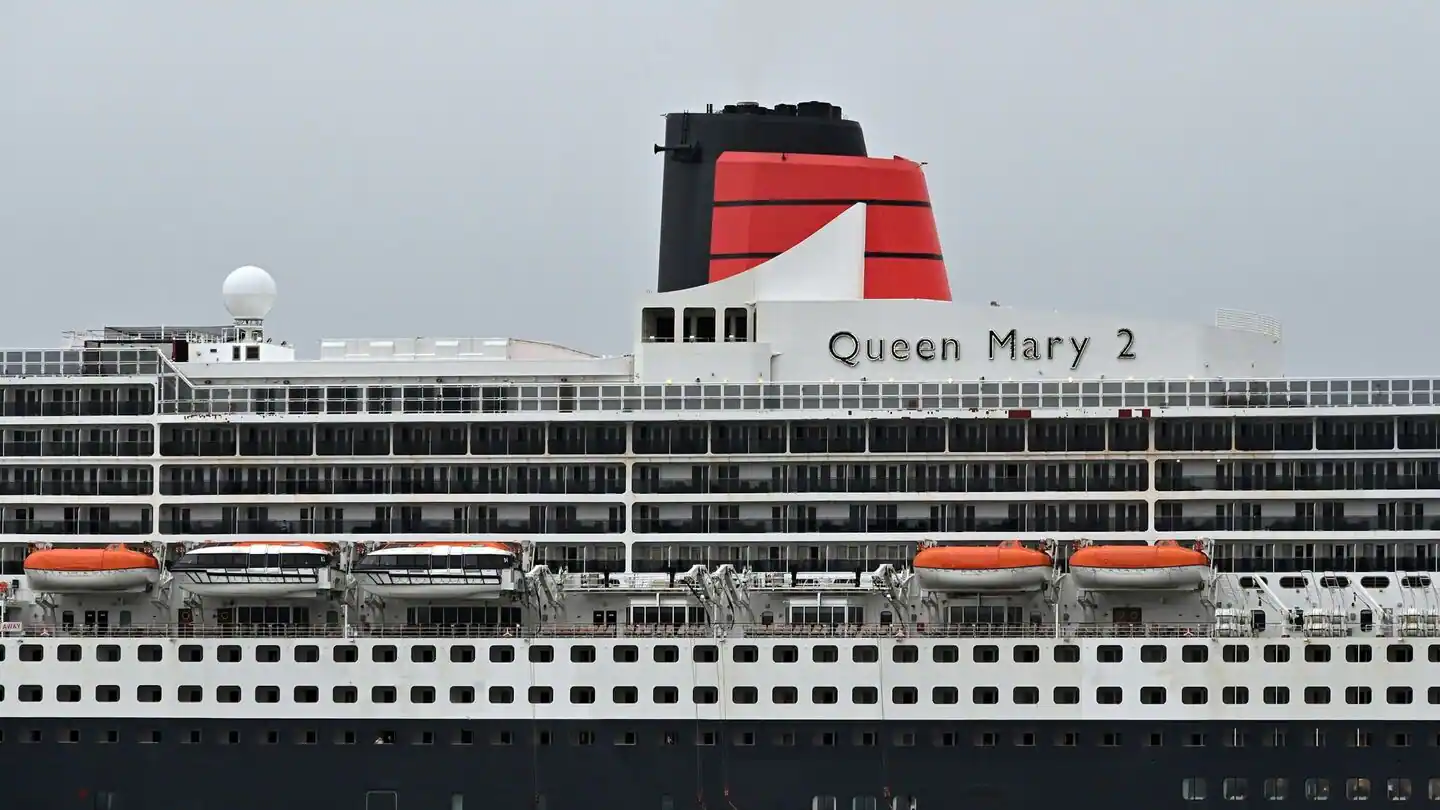
A luxury cruise meant to be a dream vacation turned into a nightmare for hundreds of passengers and crew members aboard after Norovirus Outbreak on Queen Mary 2 Cruise Ship spread rapidly.
The outbreak, which resulted in severe gastrointestinal illness, prompted immediate action from health officials and the cruise liner’s crew. The incident has raised concerns about hygiene protocols on cruise ships and the challenges of containing contagious diseases in confined spaces.
The Outbreak and Its Impact
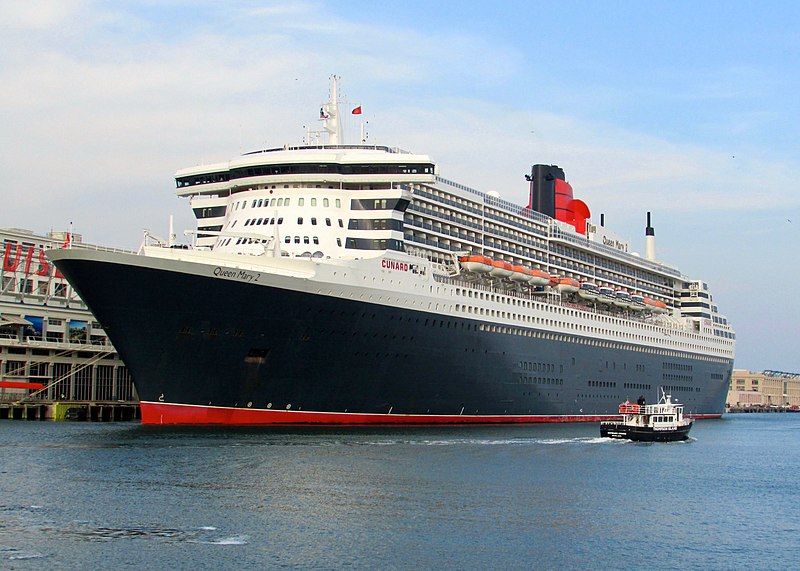
The Norovirus outbreak on Queen Mary 2 Cruise Ship, a Cunard Lines luxury cruise ship, was first reported on March 18 when the ship docked in New York. According to the U.S. Centers for Disease Control and Prevention (CDC), 224 passengers and 17 crew members have been affected by the virus.
Given that the ship carries 2,538 passengers and 1,232 crew members, this outbreak affected a significant portion of those on board. The primary symptoms reported included severe diarrhea and vomiting, classic signs of Norovirus infection.
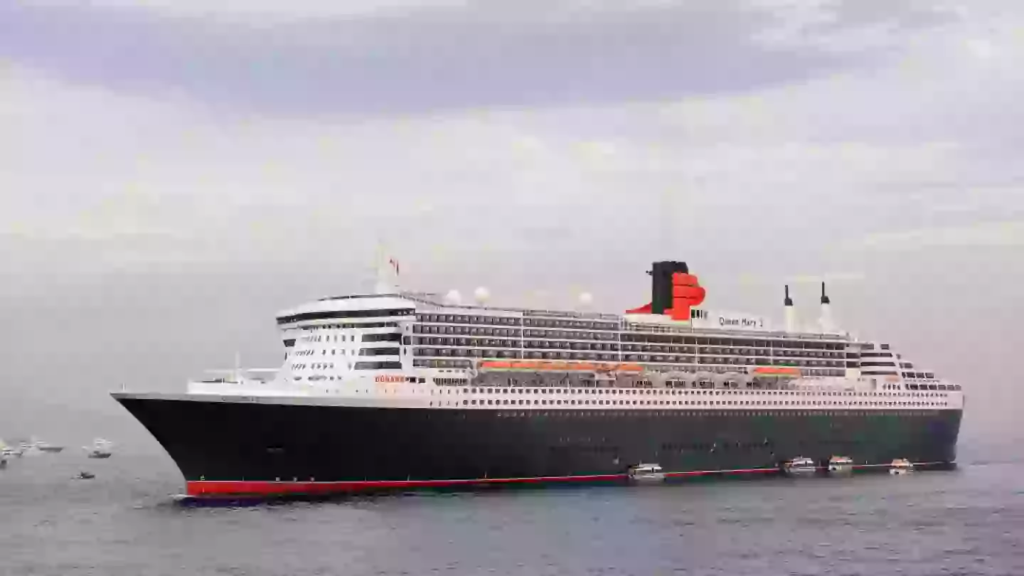
The Queen Mary 2 had embarked on a 29-day round-trip journey from Southampton, England, to the Eastern Caribbean. The ship made its first stop in New York on March 15 before proceeding to several Caribbean islands, including St. Lucia, Barbados, and Dominica. The confined environment of the cruise ship created an ideal setting for the rapid spread of the virus, affecting passengers and crew alike.
Read : Visa-Free Entry to China via Cruise Ship: Strategy or Bold Tourism Move?
While gastrointestinal illnesses are not uncommon on cruise ships, an outbreak of this scale has sparked discussions about hygiene measures on board luxury liners. The quick escalation of cases suggests that despite preventive protocols, the virus found a way to spread among the passengers, likely through contaminated food, surfaces, or direct person-to-person contact.
Actions Taken by Cunard and Health Officials
Following the outbreak, the ship’s crew immediately implemented stringent measures to contain the virus. According to Cunard, Queen Mary 2 underwent a deep cleaning process while passengers showing symptoms were isolated.
The company assured that additional cleaning and disinfection procedures were put in place to prevent further spread. A spokesperson for Cunard stated, “Thanks to the swift response from our crew and the additional measures that we have in place, we are already seeing a reduction in reported cases.”
The CDC confirmed that medical staff on board collected samples for laboratory testing to confirm the source of the outbreak. The agency also worked with the cruise liner to ensure proper sanitation and quarantine measures were being followed.
According to reports, ill passengers and crew members were advised to remain in their cabins to avoid further contamination, and affected areas of the ship were disinfected frequently.
Read : Norovirus Outbreak In P&O Iona Cruise Ship Off The Coast Of Belgium
Despite these measures, controlling the spread of Norovirus in a densely populated setting like a cruise ship remains a challenge. The outbreak underscores the importance of stringent hygiene practices and rapid response strategies to mitigate the impact of infectious diseases in such environments.
Understanding Norovirus and Prevention Measures
Norovirus is a highly contagious virus that causes acute gastroenteritis, leading to symptoms such as vomiting, diarrhea, stomach cramps, and nausea. Commonly referred to as the “stomach flu” or “stomach bug,” Norovirus spreads easily through contaminated food, water, surfaces, or direct contact with an infected person.
While the illness is usually short-lived, lasting between 24 to 72 hours, it can cause severe dehydration and complications in young children, the elderly, and individuals with weakened immune systems.
The virus is notorious for spreading quickly in closed environments such as cruise ships, schools, nursing homes, and hospitals. Once an outbreak occurs, containing it can be difficult due to the highly infectious nature of the virus. Even after symptoms subside, individuals can continue to shed the virus for up to two weeks, increasing the risk of further transmission.
To prevent Norovirus infections, health experts recommend several precautions:
- Frequent Handwashing: Washing hands thoroughly with soap and water for at least 20 seconds is one of the most effective ways to prevent the spread of Norovirus. Alcohol-based hand sanitizers are less effective against the virus.
- Proper Food Handling: Fruits and vegetables should be washed thoroughly, and shellfish should be cooked properly to eliminate any risk of contamination.
- Surface Disinfection: Contaminated surfaces should be cleaned with bleach-based disinfectants to kill the virus effectively.
- Avoiding Contaminated Water and Food: Drinking water from clean, safe sources and avoiding food that may have been handled improperly can reduce the risk of infection.
- Staying Isolated: Individuals who have contracted Norovirus should stay at home or in isolation for at least two days after symptoms resolve to prevent further spread.
For cruise ship operators, implementing rigorous sanitation measures, enforcing hygiene protocols among staff, and monitoring food handling practices can help minimize the risk of outbreaks. Additionally, educating passengers about the importance of hand hygiene and providing readily accessible sanitization stations can further reduce the risk of contamination.
The Broader Implications of Cruise Ship Outbreaks
While Norovirus outbreaks on cruise ships are not uncommon, this incident on the Queen Mary 2 highlights the vulnerability of the cruise industry to infectious disease outbreaks. In the past, similar incidents have resulted in severe disruptions to travel plans, significant financial losses for cruise companies, and reputational damage.
Public perception of hygiene and safety aboard cruise ships plays a crucial role in the industry’s sustainability, and repeated outbreaks could deter potential travelers.
The outbreak also raises questions about how well-prepared cruise operators are in handling infectious disease outbreaks. The COVID-19 pandemic had already forced the industry to adopt stricter health protocols, but the Norovirus outbreak demonstrates that even with enhanced precautions, viral infections can still pose a significant risk.
In response, industry experts suggest that cruise liners must continue to refine their health and safety measures. This includes improving ventilation systems, enhancing onboard medical facilities, and incorporating rapid testing capabilities to identify infectious diseases before they spread widely.
Additionally, establishing partnerships with health agencies such as the CDC to conduct routine health inspections can help ensure compliance with best practices for disease prevention.
For passengers, choosing a cruise with a strong track record of hygiene and safety protocols is essential. Reading reviews, understanding the health measures in place, and being proactive about personal hygiene can help travelers mitigate their risk of contracting infections while on board.
The Norovirus outbreak on the Queen Mary 2 serves as a stark reminder of how quickly infectious diseases can spread in enclosed environments like cruise ships. With over 200 passengers and crew members affected, the incident underscores the importance of stringent hygiene measures and rapid response strategies in managing health crises on luxury liners.
While the cruise liner’s swift action has reportedly curbed the spread of the virus, the outbreak has undoubtedly raised concerns about the overall safety and health protocols on board such vessels.
Going forward, cruise companies must remain vigilant and proactive in implementing health and sanitation measures to protect passengers and crew. Similarly, travelers must take personal precautions to minimize their risk of exposure.
By working together, cruise operators and passengers can help ensure a safer and more enjoyable travel experience for all. The Queen Mary 2 outbreak serves as a lesson for the entire industry, reinforcing the need for continuous improvements in public health preparedness and response.