
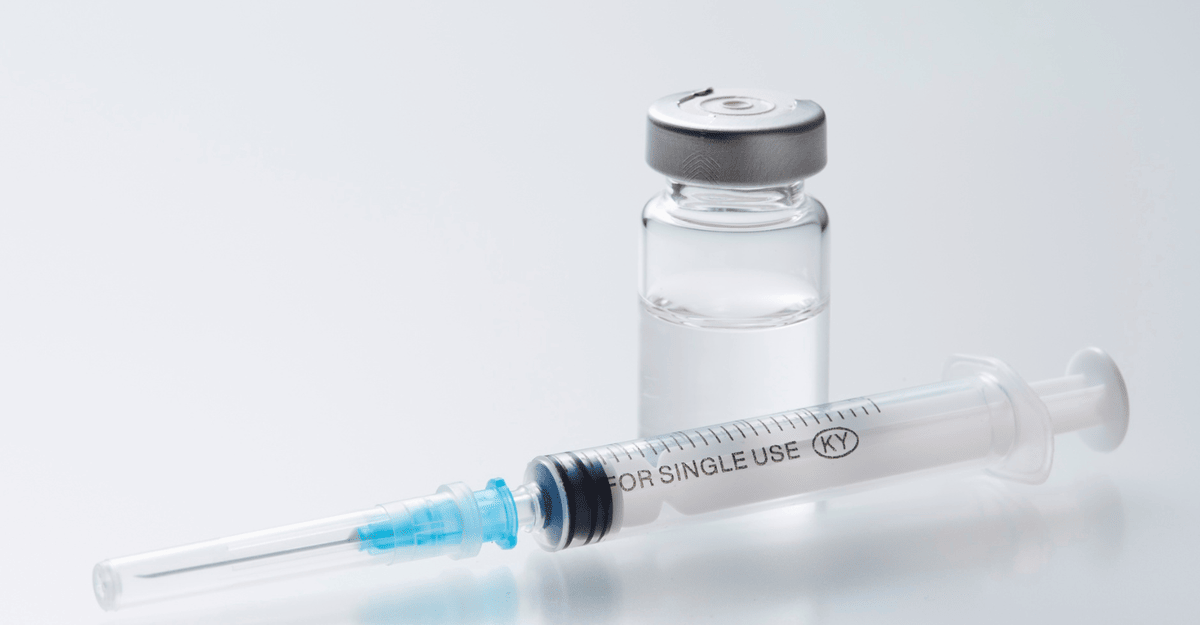
A corrections nurse in Texas has been terminated and is under criminal investigation after allegedly exposing more than a dozen incarcerated individuals to potential HIV transmission through improper insulin administration practices. The incident reportedly took place on February 13, 2026, at a county jail in McLennan County and involved inmates living with diabetes who required routine insulin injections.
According to initial reports, the nurse reused a syringe after administering insulin to an inmate known to be HIV-positive and then continued drawing medication from the same multi-dose vial to treat additional inmates. The event has raised urgent questions about infection control standards in correctional healthcare settings, the responsibilities of licensed medical professionals, and the long-term implications for those potentially exposed.
How the Insulin Vial Became Contaminated
The alleged exposure began during a routine insulin pass inside the jail’s medical unit. Multi-dose insulin vials are commonly used in institutional settings to manage costs and streamline medication administration, but they require strict adherence to infection control protocols. In this case, the nurse reportedly drew insulin from a multi-dose vial into a syringe and injected it into an inmate who was living with HIV. After administering the dose, she allegedly used the same needle and syringe to draw additional insulin from the same vial to provide a second injection to the same inmate.
This step represented the first critical breach of protocol. Once a needle has entered a patient’s body, it is considered contaminated and must never re-enter a medication vial. Reintroducing a used needle into a vial risks transferring bloodborne pathogens into the medication supply. By drawing insulin again with the same used needle, the vial itself may have become contaminated with the inmate’s blood.
After discarding that needle, the nurse reportedly proceeded to draw insulin from the same vial using new syringes to inject 12 additional inmates with diabetes. Although each of those injections was performed with a new needle, the source medication may already have been compromised. This chain of events potentially exposed the additional inmates to HIV, a virus transmitted through blood-to-blood contact.
Read : Nurse Melissa Knutson Sentenced to Prison for Sex with Drug Court Patient
The alleged mistake was discovered when another corrections employee observed the nurse drawing insulin with the same needle and syringe after it had already been used. The coworker questioned her actions, prompting further scrutiny of the medication handling process. Without that intervention, the practice might have continued undetected.
Read : Truth Behind Man Smuggling Over 100 Live Snakes in His Pants in China
The use of multi-dose vials requires meticulous attention to aseptic technique. Standard nursing guidelines clearly prohibit reinserting a used needle into a vial and strictly forbid sharing needles between patients. Even when separate syringes are used for different individuals, contamination of the vial itself creates a potential risk to anyone receiving medication from it. Healthcare professionals are trained extensively on these precautions to prevent exactly this type of scenario.
Medical Risks and Immediate Response
Following the discovery of the incident, affected inmates were reportedly evaluated for possible HIV exposure. One of the inmates who may have been impacted, 51-year-old Edward Cortez, received post-exposure prophylaxis, commonly known as PEP. His wife, Penelope Cortez, spoke publicly about the emotional toll the incident has taken on her family, expressing fear and distrust toward the jail’s medical services.
PEP is a 28-day course of antiretroviral medications given after potential exposure to HIV. When started promptly, ideally within 72 hours of exposure, PEP can significantly reduce the likelihood that the virus will establish infection in the body. The medications work by preventing viral replication during the early stages following exposure. While PEP is highly effective when administered correctly and within the recommended time frame, it is not a guarantee. Individuals who receive PEP must undergo follow-up testing over several months to confirm whether transmission occurred.
The psychological impact of potential HIV exposure is often profound. For inmates already managing chronic conditions such as diabetes, the added stress of uncertain infection status can be overwhelming. The necessity of daily insulin injections is itself a reminder of dependence on the healthcare system within the correctional facility. When trust in that system is shaken, as Penelope Cortez described in public remarks, anxiety and fear may intensify.
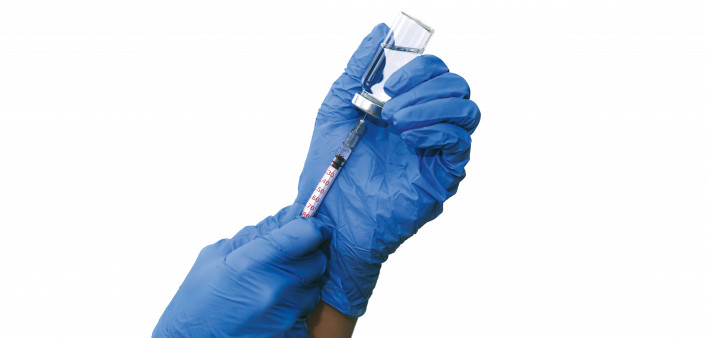
From a medical standpoint, the actual risk of HIV transmission through a contaminated insulin vial depends on several factors. These include whether blood entered the vial, the viral load of the source patient, the volume of potential contamination, and the time between injections. HIV does not survive indefinitely outside the human body, and its viability decreases when exposed to environmental conditions. However, the possibility of transmission through contaminated injection equipment is well documented, which is why infection prevention protocols are so strict.
Correctional facilities face unique challenges in healthcare delivery. High patient volume, limited staffing, and the need to maintain security can create pressure on medical personnel. Nevertheless, standards of care do not change based on setting. Safe injection practices are foundational principles taught in nursing education and reinforced throughout professional careers. Deviations from those practices can have life-altering consequences.
In addition to HIV testing, affected inmates may require screening for other bloodborne pathogens such as hepatitis B and hepatitis C. Comprehensive follow-up care is essential to monitor for seroconversion and to provide timely treatment if necessary. The facility may also be required to review its infection control policies and conduct retraining for staff to prevent future occurrences.
Accountability, Investigation, and Broader Implications
The nurse involved in the incident has reportedly been fired and is under investigation by the McLennan County Sheriff’s Office. At this stage, it remains unclear what specific charges, if any, may be filed. Potential legal considerations could include professional misconduct, negligence, or violations of health and safety regulations. The outcome will likely depend on the findings of the ongoing investigation, including whether the actions were deemed reckless, negligent, or intentional.
Read : Recovery Room Nurse Joel Vega Charged with Sexual Battery of Patients After Surgeries
Professional licensing boards may also become involved. Nurses are bound by ethical codes and standards of practice that prioritize patient safety. A serious breach of infection control protocol can trigger disciplinary action, including suspension or revocation of a nursing license. Beyond criminal or regulatory consequences, civil litigation may also arise if any affected inmate tests positive for HIV as a result of the incident.
For families like the Cortez family, accountability is not only a legal issue but also a matter of trust. When individuals are incarcerated, they rely entirely on the institution for medical care. They cannot seek second opinions or choose alternate providers. This dynamic creates a heightened duty of care on the part of correctional healthcare staff. Any lapse in safety measures can feel especially alarming to inmates and their loved ones.
The incident also serves as a stark reminder of the critical importance of adhering to safe injection practices when using multi-dose vials. Established guidelines emphasize several non-negotiable rules: never reinsert a used needle into a medication vial, never reuse a needle for multiple injections, never share needles between patients, and always clean the vial’s rubber septum before each access. Additionally, healthcare providers are trained to inspect equipment for integrity and discard any compromised supplies immediately.
In institutional settings, some facilities choose to dedicate a multi-dose vial to a single patient whenever possible to minimize cross-contamination risk. Others rely on single-dose vials or prefilled insulin pens, which significantly reduce the potential for error. While cost and logistical considerations often influence these decisions, patient safety must remain paramount.
The broader implications extend beyond one facility in Texas. Incidents involving bloodborne pathogen exposure in healthcare settings, particularly in correctional institutions, tend to attract public scrutiny and may prompt policy reviews at state or national levels. Training programs may revisit infection control modules, and oversight bodies may reinforce compliance checks to ensure adherence to established standards.
For the inmates who were potentially exposed, the coming months will likely involve repeated testing and ongoing uncertainty. Even if no transmission occurs, the emotional distress and disruption caused by the event cannot be undone. For the nurse involved, the professional consequences may be significant and long-lasting.
Ultimately, this case underscores a fundamental principle of nursing practice: small deviations from protocol can carry enormous consequences. Safe injection standards exist precisely to prevent the transmission of life-threatening diseases. When those standards are not followed, the ripple effects can impact patients, families, healthcare systems, and public confidence in medical institutions.