

A routine school basketball game at Northvale Public School in Bergen County turned into a life-or-death emergency on January 20, when a 14-year-old student suddenly suffered cardiac arrest in the school gym. What could have ended in tragedy instead became a powerful example of preparedness, training, and swift action, as school nurse Joan Bohan and basketball coach Michael Schulman intervened within moments of the collapse.
Their response not only stabilized the student before first responders arrived, but also highlighted the critical role that trained school staff and readily available emergency equipment play in protecting students’ lives. Police were called to the gymnasium at approximately 4:30 p.m. following reports of a medical emergency during a school basketball game. By the time officers arrived, the student was alert and conscious, a condition authorities later credited directly to the rapid and professional actions taken by Bohan and Schulman.
In a statement posted on the Northvale Police Department’s Facebook page, officers described the pair’s response as “nothing short of heroic,” underscoring the seriousness of the situation and the effectiveness of their intervention.
The incident has since drawn attention across the community and beyond, not only because of the dramatic circumstances but also because it demonstrates how emergency preparedness policies in schools can make a measurable difference when seconds matter. The student was later transported for advanced medical care and observation and is now reported to be recovering well, with plans to return to school in the near future.
Medical Emergency During Game and Immediate Response
According to police and school officials, the incident occurred during an organized school basketball game at Northvale Public School. At some point during play, the 14-year-old student experienced a sudden medical emergency and went into cardiac arrest. Cardiac arrest is a critical condition in which the heart unexpectedly stops beating, cutting off blood flow to the brain and other vital organs. Without immediate intervention, survival rates decrease rapidly with each passing minute.
Nurse Joan Bohan and Coach Michael Schulman were present in the gym at the time of the incident. Schulman, who also serves as a health and physical education teacher at the school, recognized that the student was in distress. Alongside Bohan, he moved quickly to assess the situation and initiate emergency procedures. Their response included the use of CPR and an Automated External Defibrillator, commonly known as an AED, a device designed to restore a normal heart rhythm during sudden cardiac arrest.
By the time police officers arrived, the student had regained consciousness and was alert, a critical indicator that early intervention had been successful. Law enforcement officials emphasized that this outcome was directly linked to the immediate actions taken by the nurse and coach, rather than any measures implemented after emergency services reached the scene.
Read : Let’s Enjoy a Picturesque Tour of Sakura (Cherry Blossoms)
The police department’s public statement praised the professionalism and decisiveness displayed during the emergency. While such acknowledgments are not uncommon following medical incidents, the language used reflected the gravity of the situation and the recognition that timely care had a direct impact on the student’s survival.
Role of Training, CPR, and AED Access in Schools
Superintendent Michael Pinajian of the Northvale Public School District provided further context in an email to NorthJersey.com, explaining that all district employees are trained in CPR and the use of AEDs. This policy, he said, was a major factor in the successful outcome of the incident. Automated External Defibrillators are increasingly common in schools, athletic facilities, and other public spaces. Their effectiveness, however, depends on two key factors: accessibility and training.
Read : Who Is Graham Granger, University of Alaska Student Arrested for Eating Nick Dwyer’s AI Art Exhibit?
An AED that is locked away or used by someone unfamiliar with its operation may not provide the intended benefit in an emergency. In Northvale, district policy ensures not only that AEDs are available but also that staff members are trained to use them confidently and quickly. CPR training equips staff to maintain circulation and oxygen flow to vital organs until the heart can be restarted or advanced medical care arrives. When combined with AED use, CPR significantly increases the chances of survival following sudden cardiac arrest, particularly in younger individuals who may otherwise appear healthy.
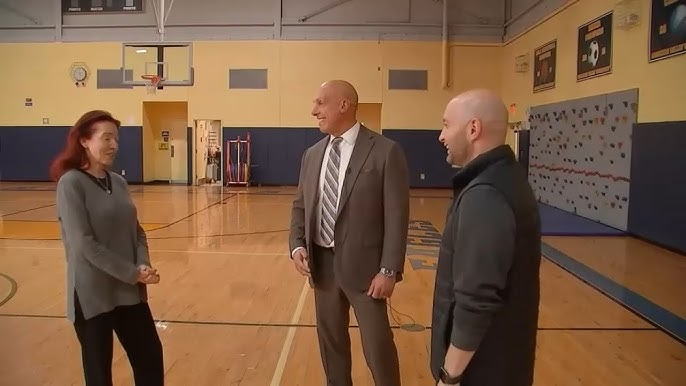
Pinajian expressed pride in the actions of Bohan and Schulman, noting that their response exemplified the purpose of the district’s training programs. He also confirmed that the student’s recovery is progressing well and that the family has been kept informed throughout the process. While medical details beyond the initial emergency have not been publicly disclosed, officials have stated that the student was transferred to a hospital for observation following stabilization at the scene.
The incident has also renewed discussion among educators and administrators about the importance of ongoing training refreshers. CPR and AED skills can diminish without regular practice, and school districts often rely on periodic recertification to ensure readiness. Northvale’s experience serves as a case study in how consistent preparation can translate into effective real-world action.
Aftermath, Medical Care, and Community Response
Following the initial response in the gym, the student was transferred to the care of the Closter Ambulance Corps. Paramedics then coordinated with medical staff at Hackensack University Medical Center, where the student was taken for further evaluation and monitoring. Authorities stated that the hospital transfer was precautionary, allowing doctors to assess the underlying cause of the cardiac event and ensure that no additional complications were present.
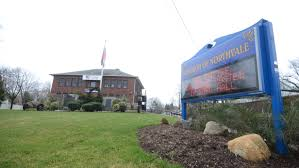
Police confirmed that an investigation determined the incident stemmed from a medical emergency during the basketball game, rather than any external factors. No foul play was suspected, and the focus quickly shifted from investigation to recovery and support. News of the incident spread quickly throughout the Northvale community, with many residents expressing gratitude and relief at the outcome. While official statements have remained measured and factual, the recognition of Bohan and Schulman as heroes reflects the community’s appreciation for their role in preventing a potential tragedy.
Superintendent Pinajian noted that the student is eager to return to school and rejoin classmates and teachers. While no specific timeline has been announced, the update suggests a positive recovery trajectory. School officials have indicated that they will continue to support the student and family as medical professionals complete their evaluations and clear the student for regular activities.
The incident has also prompted broader conversations among parents and educators about emergency readiness at school sporting events. Basketball games, practices, and other athletic activities involve physical exertion that can sometimes reveal previously undiagnosed medical conditions. Having trained personnel present, along with readily available emergency equipment, can be the difference between a crisis and a catastrophe.
In Northvale, the events of January 20 have reinforced existing policies rather than prompted immediate changes. District leaders have emphasized that their current training requirements and safety measures worked as intended. For many observers, the incident stands as a reminder that preparation is not merely procedural but practical, with real-world consequences when emergencies arise.