
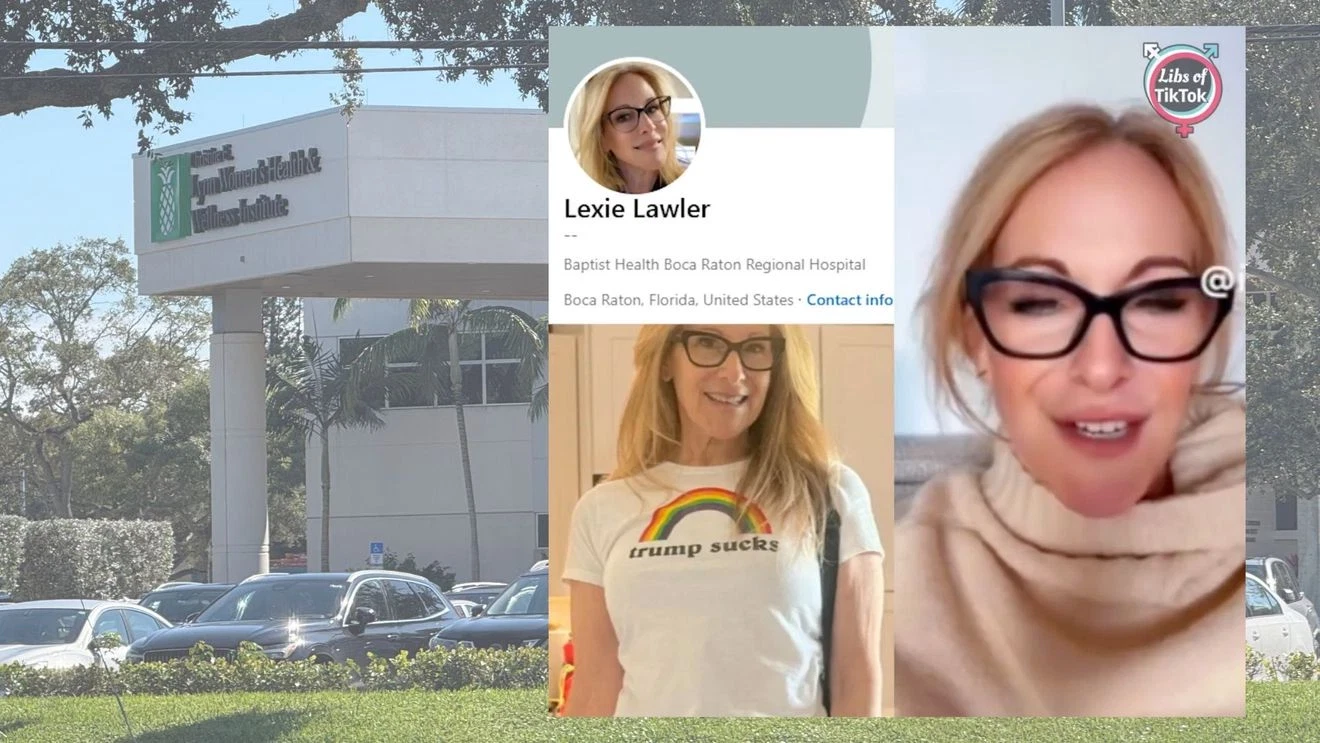
The suspension of Florida nurse Alexis “Lexie” Lawler’s nursing licence has ignited a heated national debate at the intersection of professional ethics, political speech, and the responsibilities that accompany healthcare credentials. The case centers on a viral social media video in which Lawler, a former labor and delivery nurse, expressed that it gave her “great joy” to wish a fourth-degree tear—the most severe form of obstetric injury—on White House press secretary Karoline Leavitt, who is pregnant.
The remarks, widely condemned as cruel and unethical, triggered swift action by Florida health authorities, support from senior state officials, and her termination from her hospital job. At the same time, the case has drawn backing from free-speech advocates and political allies who argue that Lawler was punished for comments made in a personal, political context outside of work hours. The unfolding controversy illustrates how digital speech can collide with professional standards, especially in fields built on trust, compassion, and patient safety.
The Incident and the State’s Response
The controversy began when a video posted by Lawler circulated widely across social media platforms. In the clip, she made explicit and graphic comments about childbirth, stating that she wished Karoline Leavitt would suffer a fourth-degree perineal tear during delivery. Such injuries, which extend through the perineal muscles and into the rectal tissue, are considered the most serious obstetric tears and can lead to long-term physical and psychological complications. Lawler’s comments went beyond political criticism and into a realm that many viewers found disturbing, particularly given her professional background in labor and delivery nursing.
The response from Florida regulators was rapid. An emergency suspension order was issued by the state’s health authorities, signed by Florida State Surgeon General Dr. Joseph Ladapo. The order concluded that Lawler’s conduct breached the professional standards expected of a registered nurse and posed a potential risk to public trust in the nursing profession. Emergency suspension orders are typically reserved for situations in which regulators believe immediate action is necessary to protect public health, safety, or welfare, underscoring the seriousness with which the state viewed the remarks.
Florida Attorney General James Uthmeier publicly endorsed the decision, emphasizing that the issue was not merely offensive speech but speech directly connected to Lawler’s professional expertise. In a statement posted on X, he wrote that wishing pain and suffering on anyone, particularly when such statements relate to one’s area of medical practice, crosses an ethical red line. His comments framed the suspension as a matter of professional accountability rather than political disagreement.
Read : 10 Must-Know Tips for First-Time Visitors to Switzerland
Lawler’s former employer, Baptist Health Boca Raton Regional Hospital, confirmed that she had been fired prior to the suspension. The hospital stated that her comments did not align with its values or with expectations of compassionate, unbiased care. Hospitals and healthcare systems often maintain strict codes of conduct for staff, recognizing that public statements by clinicians can affect patient confidence and institutional reputation. In this case, the hospital made clear that Lawler’s remarks were incompatible with the standards expected of someone entrusted with maternal care.
Professional Ethics, Free Speech, and the Limits of Personal Expression
Central to the debate surrounding Lawler’s suspension is the tension between free speech rights and professional obligations. Lawler defended herself in a follow-up message, arguing that her comments were made outside of work hours, on a personal account, and were political in nature. Supporters echo this view, asserting that state regulators overstepped by disciplining her for speech that did not occur in a clinical setting or involve an identifiable patient.
However, healthcare licensing bodies have long maintained that professional standards extend beyond the workplace. Nurses, physicians, and other clinicians are bound by ethical codes that emphasize beneficence, nonmaleficence, and respect for human dignity. Public statements that appear to celebrate patient harm can undermine these principles, even when no specific patient is involved. Regulators often argue that such conduct raises questions about a clinician’s judgment, empathy, and fitness to practice.

In Lawler’s case, the explicit nature of the comments, combined with her specialization in labor and delivery, played a critical role. The remarks were not abstract or metaphorical; they referenced a specific medical injury that Lawler would have been trained to prevent and manage. Critics argue that this connection made it impossible to separate the speech from her professional identity. From this perspective, the suspension was less about political expression and more about safeguarding the integrity of the nursing profession.
Legal experts note that while the First Amendment protects a wide range of speech from government censorship, it does not guarantee immunity from professional consequences. Licensing boards are generally permitted to regulate conduct that reflects on a licensee’s ability to practice safely and ethically. Courts have historically given deference to such boards, particularly when public trust and patient welfare are at stake.
At the same time, the case has raised concerns among civil liberties advocates about where the line should be drawn. If personal political speech can result in the loss of a professional licence, critics ask, what safeguards exist to prevent arbitrary or ideologically motivated enforcement? These questions are likely to be explored further if Lawler or her supporters pursue legal challenges to the suspension.
Public Reaction, Fundraising Efforts, and Broader Implications
The public response to Lawler’s suspension has been sharply divided. Many healthcare professionals and patient advocates welcomed the decision, viewing it as a necessary affirmation that cruelty and dehumanization have no place in medicine. For these observers, the case reinforces the idea that clinicians are held to higher standards precisely because of the vulnerability of those they serve.
Read : Who Is Erik Martindale, Florida Nurse Facing Backlash for Refusing Anesthesia to MAGA Supporters?
Others, however, have rallied behind Lawler. A GoFundMe campaign organized by a group called Unlawful Threads claims that she was punished for political speech expressed on a personal account. The fundraiser states that the money will be used to cover employment and civil rights legal costs. At the time of publication, the campaign had raised more than US$10,000 toward its US$14,000 goal, indicating a significant base of support.

Lawler’s husband, Tim Lawler, shared the fundraiser on Facebook, writing that the family would not be “silenced” and urging supporters to donate. His comments framed the suspension as part of a broader struggle over free expression and political retaliation. This narrative has resonated with some who view the case through the lens of cultural and ideological conflict rather than professional ethics.
The controversy also has implications for how healthcare workers navigate social media. In recent years, numerous clinicians have faced disciplinary action for online posts deemed unprofessional, ranging from breaches of patient confidentiality to inflammatory political commentary. Professional organizations frequently warn members that social media activity can have real-world consequences, even when accounts are labeled as personal.
For nursing boards and hospitals, the Lawler case may serve as a reference point for future decisions involving online speech. It highlights the challenges regulators face in balancing respect for individual expression with the need to maintain public confidence in healthcare systems. For clinicians, it underscores the reality that professional identity does not easily switch off outside of work hours, particularly in an era when online content can spread rapidly and be permanently archived.
As the situation continues to unfold, it remains unclear whether Lawler will pursue legal action to challenge the suspension or whether the state’s decision will withstand scrutiny. What is clear is that the case has sparked a broader conversation about accountability, empathy, and the responsibilities that come with holding a licence to care for others.
Helpful information. Lucky me I discovered your website accidentally, and I am surprised why this coincidence didn’t took place in advance! I bookmarked it.