
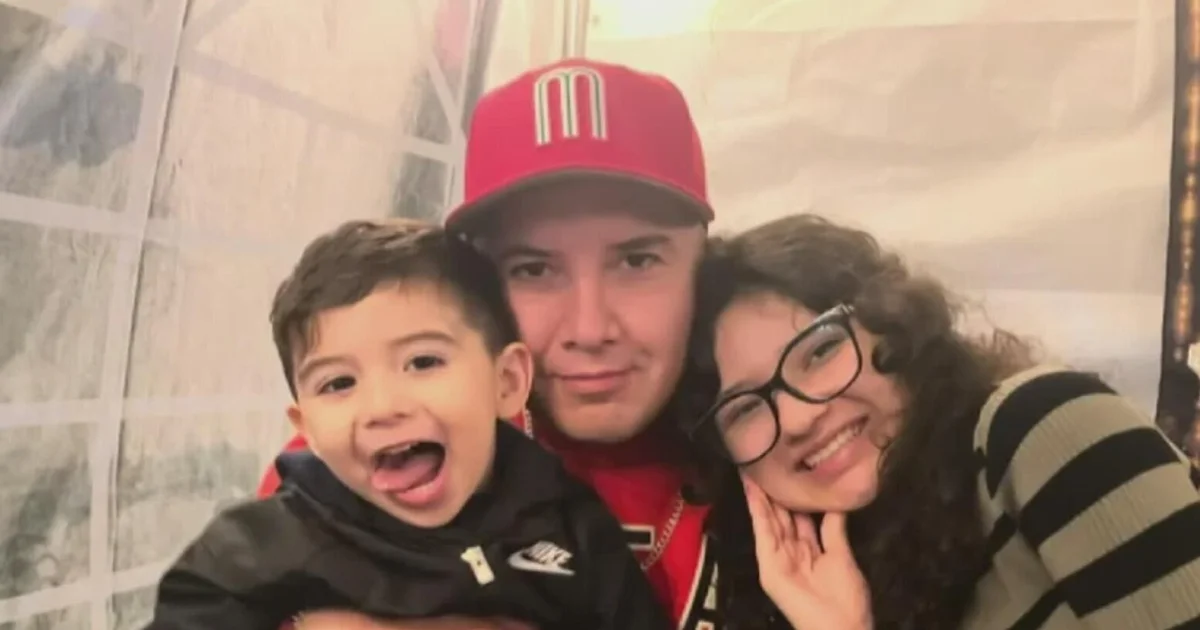
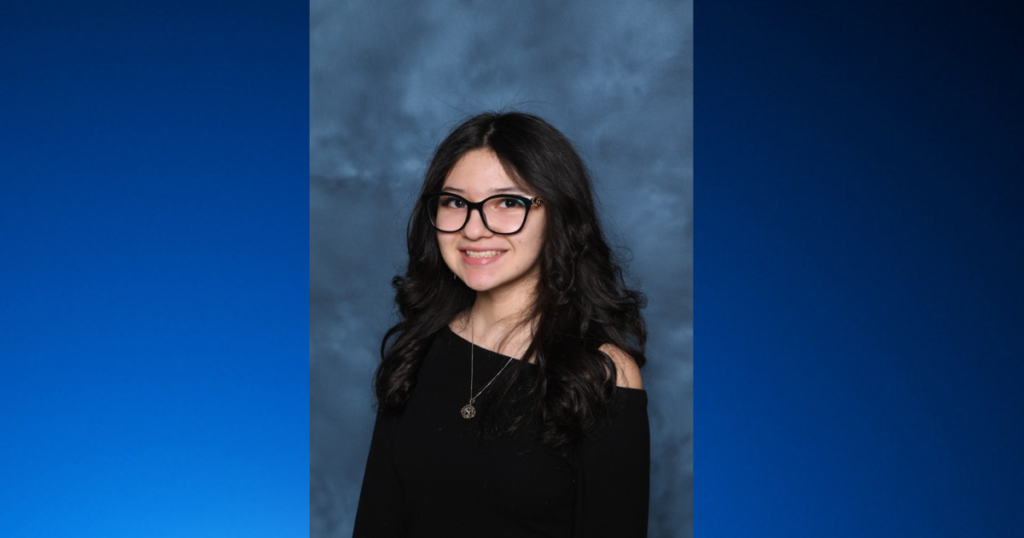
The story of Ofelia Torres is one that unfolded at the intersection of illness, family separation, and resilience. At just sixteen years old, the Chicago teenager faced a battle that most adults would struggle to endure. Diagnosed with a rare and aggressive form of cancer, she simultaneously confronted a deeply personal crisis when her father was detained by immigration authorities while she was undergoing treatment.
Her public appeal for his release, shared through social media, brought attention to her family’s situation and highlighted the emotional strain faced by families navigating serious illness alongside immigration enforcement. Her life, though brief, became defined not only by the severity of her medical condition but also by her determination to advocate for her family during an extraordinarily difficult time.
Ofelia died on Friday at the age of sixteen from Stage 4 alveolar rhabdomyosarcoma, a rare cancer that affects soft tissue and is known for its aggressive progression. She had been diagnosed in December 2024, and from that point forward, her life revolved around hospital visits, treatment cycles, and the uncertainty that accompanies advanced cancer. Yet her illness did not unfold in isolation. In October 2025, while she was home from the hospital spending time with her family, her father was arrested by immigration authorities.
The event became a defining moment in her public story, transforming her from a private patient into a young advocate speaking out about family unity and immigration enforcement. Her experience captured national attention because it illustrated a convergence of personal suffering and public policy. She was not only a teenager battling a life-threatening disease but also a daughter confronting the possibility of losing her father to deportation.
Her advocacy was driven by urgency, vulnerability, and the powerful instinct to preserve her family during the most fragile period of her life. In the months that followed, her voice resonated with many who saw in her story a reflection of broader social tensions surrounding immigration and healthcare, as well as the emotional realities faced by families navigating both.
Her Diagnosis and Battle with a Rare Cancer
Ofelia’s medical journey began with a diagnosis that immediately placed her in one of the most challenging categories of pediatric oncology. Alveolar rhabdomyosarcoma is a rare cancer that develops in soft tissues such as muscles and connective tissue. It is particularly aggressive and often diagnosed at advanced stages, making treatment complex and outcomes uncertain. When Ofelia received her diagnosis in December 2024, her condition had already progressed to Stage 4, meaning the disease had spread beyond its original site.
Treatment for such advanced cancer typically involves a combination of chemotherapy, radiation therapy, and sometimes surgery, depending on the tumor’s location and spread. These treatments can be physically exhausting and emotionally draining, especially for adolescents who must endure long hospital stays, invasive procedures, and the disruption of everyday life. For Ofelia, these realities became part of her routine. Time that might otherwise have been spent in school or with friends was replaced by medical appointments, recovery periods, and ongoing monitoring of her condition.
Read : Coach Benjamin Beau Brady Charged with Trading Alcohol for Sexual Favors from Teenage Girls
Despite the severity of her illness, those around her described her as resilient and determined. She remained engaged with her education as much as her health allowed and continued to maintain connections with her peers. She was a junior at Lake View High School in Chicago, and even while facing the physical toll of treatment, she remained connected to her academic life and social world. This balance between illness and normalcy is often a critical emotional support for young patients, and Ofelia appeared to hold tightly to the aspects of life that grounded her identity beyond her diagnosis.
Read : The Top Ten Best Rated Indian Food in 2024 as per TasteAtlas
Her cancer journey was not only a medical experience but also an emotional one shared by her entire family. Families of children with serious illnesses often reorganize their lives around caregiving, hospital schedules, and financial strain. For the Torres family, this reality was compounded by immigration challenges that introduced an additional layer of uncertainty. As Ofelia’s treatment progressed, her need for stability and family presence became increasingly significant, making the events of October 2025 especially impactful.
Her Public Plea After Her Father’s ICE Detention
In October 2025, while Ofelia Torres was home from the hospital spending time with her family, immigration authorities arrested her father, Ruben Torres Maldonado. The timing of the arrest intensified its emotional impact. For a teenager already confronting a life-threatening illness, the sudden detention of a parent created a new crisis layered on top of an already fragile situation.
In response, Ofelia turned to social media. She posted a video on Instagram in which she spoke directly about her father’s arrest and the distress it caused her and her family. In the video, she described him as a hardworking immigrant who devoted himself to supporting his children. She emphasized his role in caring for her younger brother while she remained in the hospital receiving treatment. Her message was both personal and broader in scope, expressing concern for other families facing similar circumstances.
Her video resonated because it presented a deeply human perspective. Rather than focusing solely on legal arguments or policy debates, she spoke as a daughter worried about losing her father while she was fighting cancer. She described her sense of unfairness and fear, and she appealed to public empathy. The video included images of her father and family life, as well as scenes from her time in the hospital, underscoring the reality of what her family was experiencing.
The response to her plea brought widespread attention. Advocacy groups, community members, and others followed her story as her father remained in detention. About two weeks after his arrest, he was released on a $2,000 bond after a judge considered his daughter’s medical treatment during a hearing. The decision provided temporary relief for the family and allowed him to return home during a critical period in Ofelia’s illness.
Government officials later addressed the circumstances of his detention, citing his history of driving-related offenses and describing details of the arrest. These statements reflected the legal and enforcement perspective of the case, emphasizing issues related to compliance and public safety. The contrast between official explanations and Ofelia’s personal appeal illustrated the complex and often emotionally charged nature of immigration enforcement cases involving families with U.S.-born children.
For Ofelia, the experience reinforced her role as an advocate. Her public statements and visibility brought attention not only to her own family’s situation but also to broader questions about how immigration enforcement affects families facing medical crises. Her voice became a central element of the story, shaping how many people understood the human dimension of the situation.
Final Days, Legal Developments, and Her Legacy
In the months following her father’s release on bond, the legal process regarding his immigration status continued. Shortly before Ofelia’s death, a Chicago judge ruled that he was entitled to cancellation of removal, citing the negative impact deportation would have on his U.S. citizen children. This decision represented a significant legal development, providing a pathway toward permanent residency and eventual citizenship. For the family, it offered a measure of stability after a prolonged period of uncertainty.
Read : Two Teen Boys Fatally Shot at Rainier Beach Bus Stop in Seattle
Ofelia participated in the hearing via Zoom just three days before her death. Even as her health declined, she remained present and engaged in the proceedings that would shape her family’s future. Her participation reflected the extent to which her father’s case had become intertwined with her own experience of illness and advocacy. Her presence at the hearing symbolized her continued determination to stand with her family despite her deteriorating condition.
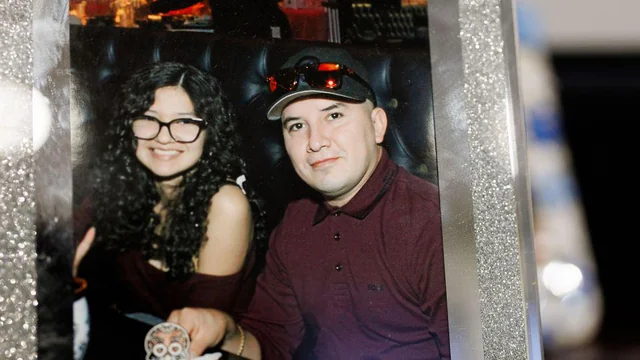
She died on Friday at the age of sixteen. Her passing marked the end of a life defined by extraordinary challenges faced within a short span of time. Her attorney described her as heroic and brave, emphasizing her willingness to speak out and fight for her family while confronting serious illness. Those who followed her story saw in her actions a powerful example of courage under extreme circumstances.
Her legacy is shaped by multiple dimensions. She was a teenager living with advanced cancer, navigating the physical and emotional burdens of treatment. She was a student maintaining connections to school and everyday life despite prolonged medical care. She was also an advocate who used her voice publicly to call attention to her father’s detention and the experiences of other immigrant families.
For many observers, her story became a reflection of broader social realities: the vulnerability of families dealing with serious illness, the emotional consequences of immigration enforcement, and the capacity of young people to speak out in moments of crisis. Her life demonstrated how personal experiences can become part of larger public conversations, especially when shared with honesty and urgency.
Her death leaves behind a family that endured both medical and legal battles simultaneously. It also leaves a narrative that continues to resonate with those who followed her journey. Her determination to stand by her father, even while facing a life-threatening disease, remains a defining aspect of how she is remembered.