
A state investigation in Connecticut has brought renewed attention to the events surrounding the death of a 39-year-old man who was shot by police during an encounter in Bridgeport. The report details how the first ambulance that arrived at the scene was used to transport a police officer experiencing what was described as a “mild anxiety attack,” while the wounded man waited for another emergency vehicle. The delay lasted approximately ten minutes before a second ambulance arrived to take him to the hospital.
Although investigators concluded that the police shooting itself was justified under the circumstances, the handling of medical response at the scene has raised serious questions among the victim’s family and members of the community. The incident has since become the subject of public scrutiny, with relatives arguing that the delay in treatment may have reduced the chances of survival for the injured man.
The findings from the report, released by the state’s inspector general, outline the timeline of the emergency response and the decisions made by officers immediately following the shooting. While the document does not directly conclude that the ambulance delay caused the man’s death, the situation has prompted calls for further investigation and internal review. Family members have expressed frustration and grief, saying the details reinforce their belief that the response at the scene failed to prioritize the person who had suffered a critical gunshot wound.
Shooting Incident and Initial Emergency Response
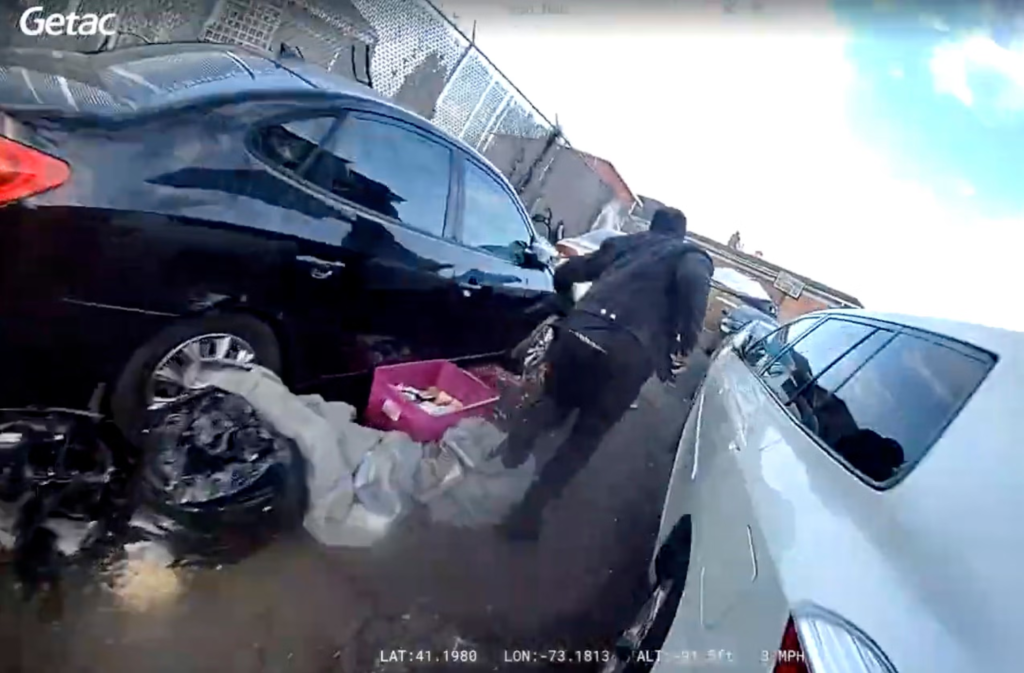
The events leading to the shooting began on the evening of March 31, 2025, when authorities received a 911 call reporting a large fight involving approximately thirty people. According to the report, some individuals involved in the disturbance were believed to be armed, prompting officers to respond to the scene quickly. During the encounter, police pursued a man later identified as Dyshan Best, who reportedly fled from officers. Investigators determined that he was holding a firearm during the pursuit, and the officer who fired the shot said he believed his safety was at risk.
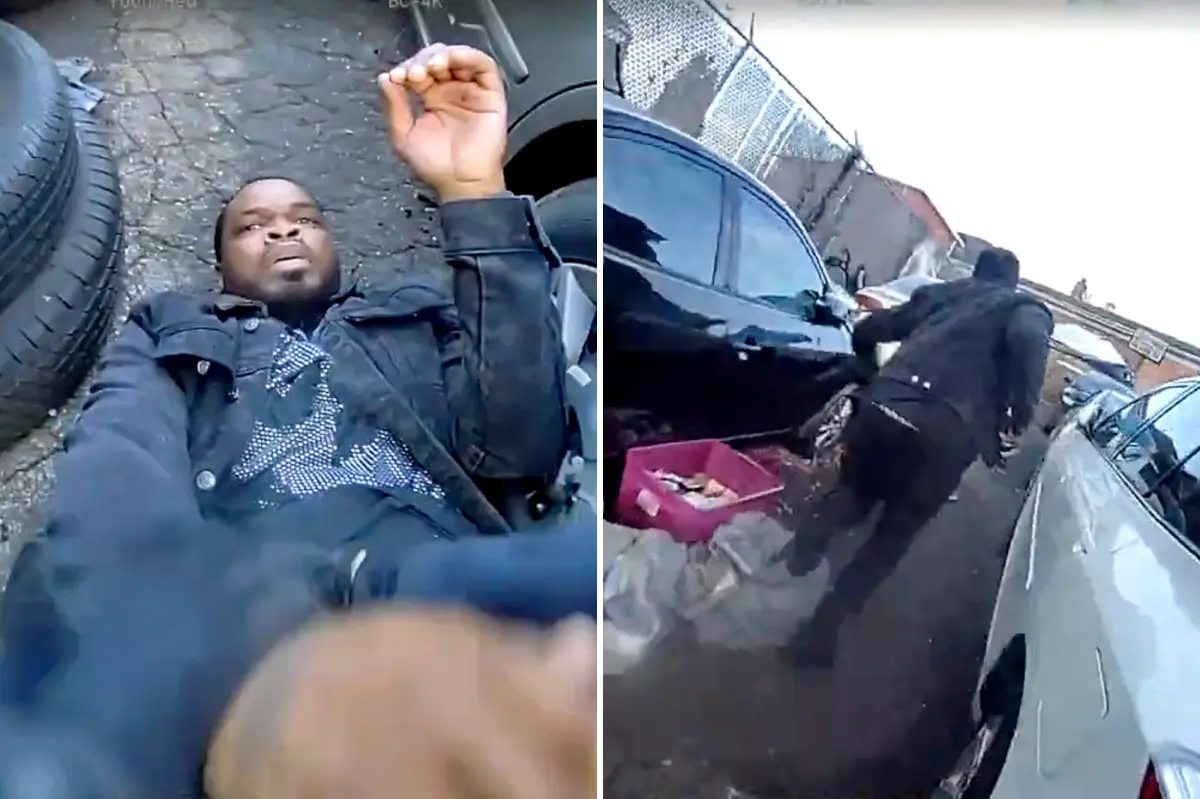
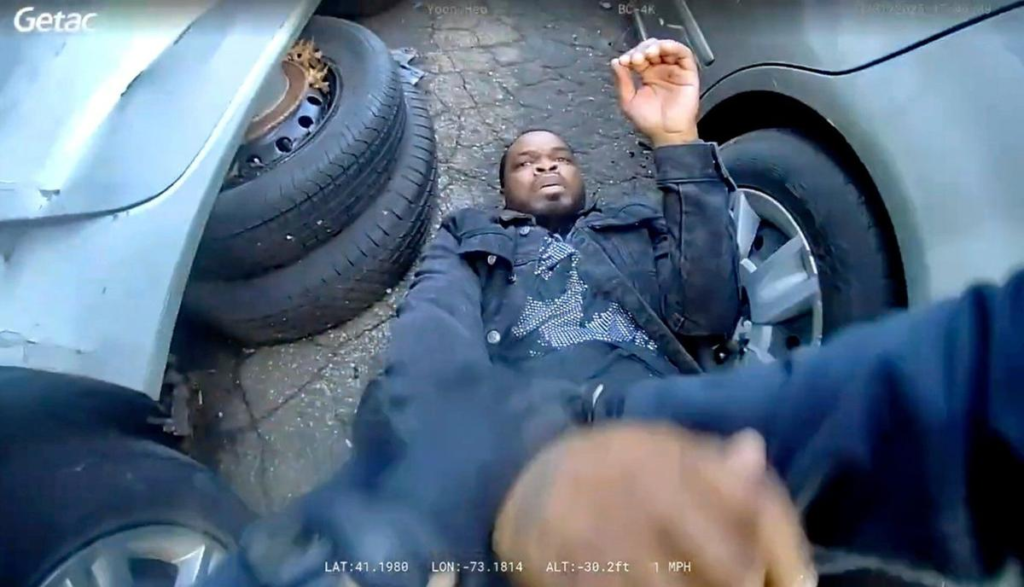
Best was shot in the back during the chase and collapsed with serious injuries. The gunshot caused extensive internal damage, including injuries to his liver and right kidney. Emergency medical services were immediately requested, and the first ambulance arrived roughly fourteen minutes after the shooting occurred. At that point, Best remained at the scene with severe injuries while officers and paramedics assessed the situation.
The investigation revealed that, despite the presence of the wounded man, the first ambulance was not used to transport him to the hospital. Instead, officers urged paramedics to take a police officer involved in the foot chase away from the scene. The officer, Erin Perrotta, was described as emotionally distressed following the confrontation and subsequent shooting. Witness accounts in the report state that she appeared hysterical, crying heavily and breathing rapidly while covered in blood from the incident.
Paramedics noted that Perrotta was not physically injured and declined medical treatment once she was inside the ambulance. According to statements included in the investigation, she reportedly told medical personnel that she simply needed to leave the scene. Nevertheless, the ambulance departed with her, leaving Best behind while responders waited for another emergency vehicle to arrive.
The second ambulance reached the location about ten minutes later. Only then was Best transported to the hospital for medical treatment. Hospital records cited in the report indicate that he arrived at the medical facility approximately fourteen minutes after the officer who had taken the first ambulance. Despite efforts by doctors to treat the severe injuries caused by the gunshot, Best died later that evening while undergoing treatment.
Questions Raised by the Investigation
Although the inspector general concluded that the officer who fired the weapon acted within the law because he believed he faced a potential threat, the report raised significant questions about the events that followed the shooting. The decision to use the first ambulance for a police officer rather than the critically injured man has become a central point of debate. The report stops short of stating whether the ten-minute delay in medical transport played a role in Best’s death, but it highlights the sequence of events that allowed the delay to occur.
According to the investigation, officers at the scene encouraged paramedics to take Perrotta away because of her visible emotional distress. Descriptions in the report portray her as overwhelmed and struggling to regain composure after the encounter. Another officer present described her as “visibly hysterical,” with rapid breathing and tears, while blood from the incident covered parts of her uniform.
Read : Jurassic World 4: Dinosaur Adventure Set to Shoot in Thailand, Malta, and the U.K.
Despite the emotional condition described in the report, paramedics documented that Perrotta did not request treatment for any medical injury. She reportedly declined care and indicated she only wanted to leave the area. Even so, the ambulance transported her away from the scene while the injured suspect remained behind awaiting the next emergency vehicle.
Investigators emphasized that emergency medical personnel ultimately decide who receives treatment and transport, though officers often provide input during chaotic situations. The report did not assign direct responsibility for the decision but recorded the circumstances and the statements of those present.
This sequence of events has prompted concerns about emergency response priorities and whether procedures were properly followed. In situations where someone has sustained a life-threatening injury, medical professionals typically prioritize that individual for immediate transport to a hospital. The fact that the first ambulance departed without the gunshot victim has raised questions about communication and decision-making among responders.
Authorities have acknowledged that the incident will undergo additional scrutiny. The local police department indicated that its internal affairs division would review the matter independently. Officials have not provided detailed public comments about the report, but the department confirmed that the officer involved in the ambulance incident is currently on administrative leave related to an unrelated issue.
Family Reaction and Ongoing Calls for Accountability
The release of the investigation report has deeply affected Best’s family, who say the new information has intensified their grief and frustration. Relatives believe that if he had been transported to the hospital sooner, his chances of survival might have been higher. While the report does not confirm whether the delay contributed to his death, the family argues that the circumstances surrounding the ambulance decision are troubling.
One of Best’s nieces spoke publicly about the emotional impact of learning the details contained in the investigation. She described the revelations as heartbreaking and said family members have struggled to process the timeline outlined by officials. According to her, relatives were already coping with the loss of a loved one, and the new information has made the situation even more painful.
Family members say they are seeking justice and accountability for what happened that night. They have questioned whether proper judgment was exercised during the emergency response and whether the wounded man should have been given priority in receiving medical care. The family’s concerns reflect broader anxieties within the community about how similar incidents are handled by law enforcement and emergency responders.
Legal representatives connected to the case have also indicated that they are reviewing the findings in the inspector general’s report. Although the document concluded that the use of force by police was justified under the circumstances, attorneys and advocates may examine whether other aspects of the response violated procedures or standards of care. Civil litigation is a possibility in cases where families believe negligence or improper conduct played a role in a death.
Read : $167 Million Powerball Winner James Farthing Arrested for Assaulting Police Officer
Community members have likewise expressed concern about the situation, particularly regarding how emergency services are coordinated after police shootings. The case highlights the complicated environment that can exist at scenes involving large disturbances, armed individuals, and multiple responding agencies. In such moments, decisions must often be made quickly, but those decisions can later become the focus of intense scrutiny.
The report’s release has also sparked conversations about mental health and emotional responses among officers involved in high-stress situations. Law enforcement officials frequently encounter traumatic events that can cause psychological distress, and departments often provide support services for officers dealing with such experiences. However, the circumstances described in this case have raised the question of whether an officer experiencing emotional distress should have been transported in an ambulance when another person had sustained a critical injury.
At the same time, investigators did not accuse the officer who took the ambulance of intentionally denying care to the injured man. The report focuses primarily on documenting what occurred rather than assigning blame for the decision. Nevertheless, the situation has become a point of debate among observers who believe emergency resources should be allocated first to those facing immediate life-threatening injuries.
For Best’s family, the central issue remains the loss of a loved one and the lingering uncertainty about whether the delay affected the outcome. Hospital records indicate that he died roughly an hour and a half after arriving at the medical facility, despite doctors’ efforts to treat his injuries. The damage caused by the gunshot was severe, and medical professionals attempted emergency treatment before he ultimately died during care.
As the internal review by the police department moves forward, officials may examine the actions of officers and emergency personnel to determine whether policy changes or disciplinary measures are warranted. The outcome of that process could influence how similar incidents are handled in the future and whether new protocols are introduced to prevent comparable situations.
The case continues to draw attention because it illustrates the complex and sometimes controversial decisions that occur in the aftermath of police shootings. While investigators concluded that the initial use of force was justified, the details surrounding the emergency response have created a separate layer of scrutiny. For the family of the man who died, the report has provided answers about what happened at the scene but has also raised difficult questions about whether those actions contributed to a tragic outcome.