
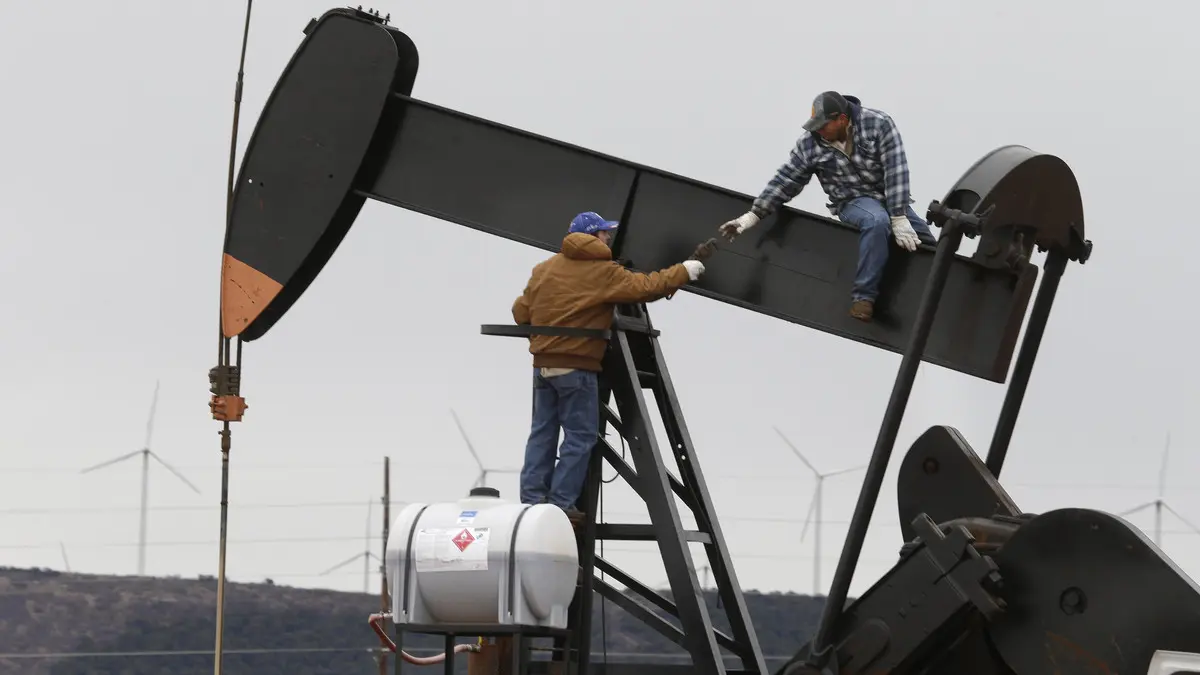
The oil price surges as geopolitical tensions in the Middle East escalate, pushing crude oil to a high of $75 per barrel. Concerns over potential disruptions in oil supply due to Iran’s recent military action against Israel have rattled markets.
Investors fear that the conflict could extend further, with significant implications for the global energy market. As oil price surges, the energy industry braces for volatility and uncertainty in the coming weeks.
Impact of the Middle East Tensions on Oil Prices
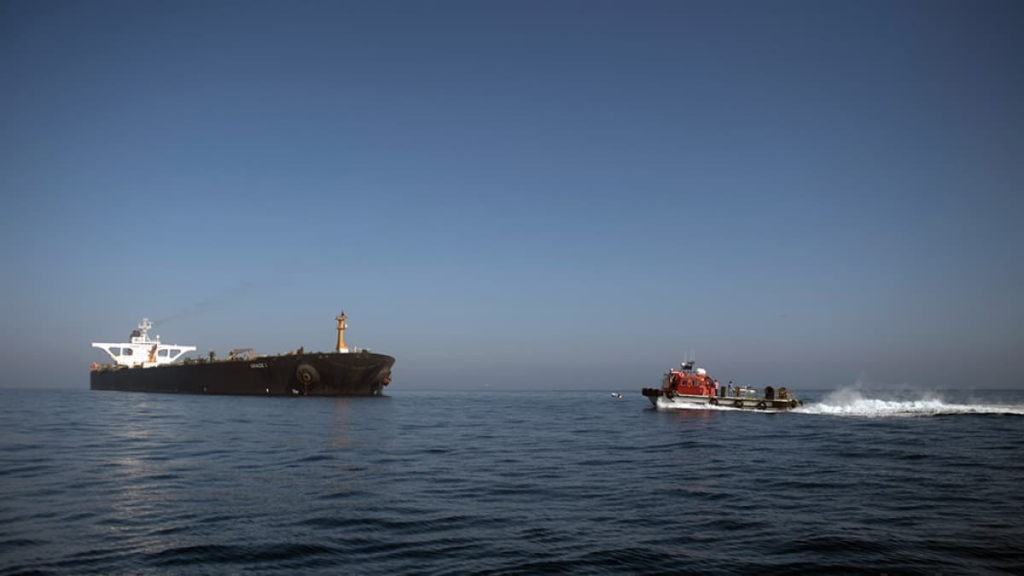
The oil price surges are directly linked to fears that rising tensions in the Middle East could disrupt crude output. Iran’s largest military attack on Israel has heightened concerns about supply chain disruptions.
Historically, geopolitical conflicts in the region have led to sharp increases in oil prices, and this latest event is no exception. As oil price surges, global markets are on edge, watching closely for any signs of further escalation or potential ceasefire agreements.
Read : Biden Orders US Military to Shoot Down Iranian Missiles Targeting Israel
A crucial factor behind the oil price surges is the strategic location of Middle Eastern countries, particularly Iran, which accounts for approximately 4% of global oil output. Any significant military escalation that impacts Iran’s oil production would likely send crude prices soaring even higher.
Read : Satellite Photos Show Iran Expanding Missile Production: Assessed by American Researchers
Currently, investors are treading cautiously as they await Israel’s response, knowing that any retaliatory strikes could further exacerbate the oil supply situation.
Additionally, safe-haven assets like gold, government bonds, and the Swiss franc have surged in value, reflecting investor concerns about the broader economic implications of this geopolitical uncertainty.
The oil price surges have created a ripple effect in financial markets worldwide, as traders seek safer assets while keeping a close eye on developments in the Middle East.
OPEC+ Response and Market Speculation
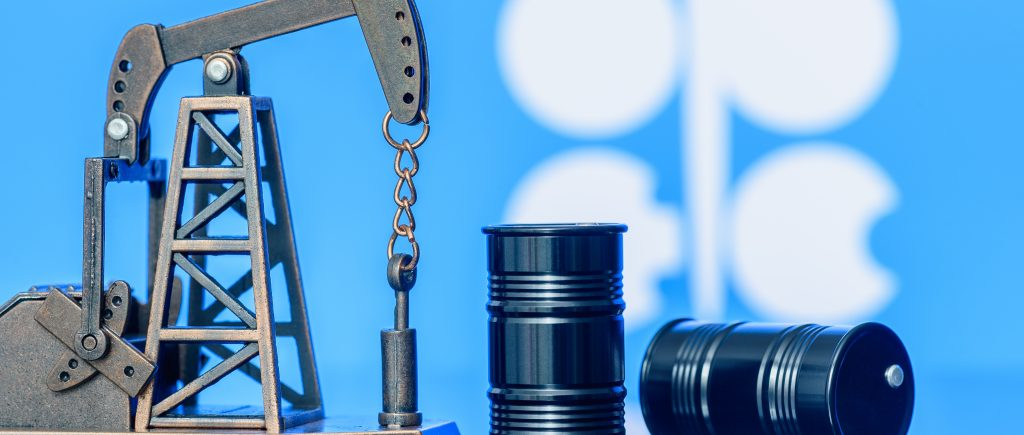
Amid the oil price surges, attention has turned to OPEC+ and its potential response. A panel of ministers from the organization, which includes major oil-producing nations like Russia, is set to meet and review the market.
While no immediate policy changes are expected, the group is scheduled to raise output by 180,000 barrels per day starting in December.
This gradual increase in production could help ease concerns over supply shortages, but investors remain uncertain about the long-term impact on prices.
Despite this, oil price surges have caused speculation about how OPEC+ might adjust its strategy in response to the evolving situation. Saudi Arabia, a key member of OPEC+, has expressed concerns that oil prices could drop as low as $50 per barrel if the group’s members do not adhere to production limits.
However, with tensions in the Middle East at the forefront of discussions, the focus remains on how the geopolitical landscape will affect future output.
Analysts at ANZ suggest that any indication of OPEC+ proceeding with production hikes could offset concerns about supply disruptions. However, the reality is that oil price surges are being driven by unpredictable factors, particularly the ongoing conflict in the Middle East.
Investors and analysts alike are carefully monitoring how the situation unfolds, knowing that any significant developments could trigger further volatility in the market.
War Fears and the Future of Oil Prices
As the conflict between Iran and Israel intensifies, fears of a wider war loom large over global markets. The oil price surges on concerns that the military conflict could spread to critical oil-producing regions around Iran.
Historically, periods of intense conflict in the Middle East have led to sharp spikes in oil prices, as seen during events like the Gulf War and Russia’s invasion of Ukraine.
This time, as oil price surges again, investors are particularly worried about how the United States might respond. Any military intervention by the US in the region could lead to further supply disruptions, putting additional upward pressure on prices.
For now, much depends on how Israel and its allies choose to respond to Iran’s missile attack. A significant escalation could see oil prices climb even higher, potentially breaching new records.
Experts have already noted that the oil price surges are a reflection of how sensitive the market is to geopolitical developments. Quincy Krosby, the chief global strategist at LPL Financial, pointed out that the deeper the conflict intensifies, the more likely oil prices will continue to surge.
Investors are particularly sensitive to any indication that military action could spill into key oil-producing areas, which would have devastating consequences for the global supply of crude.
Beyond the Middle East, other factors are also contributing to the oil price surges. The upcoming US election and a key jobs report expected later this week are both critical events that could influence market sentiment.
As investors try to assess the broader implications of these events, the focus remains squarely on the Middle East and how the conflict between Israel and Iran evolves.
For now, the oil price surges have left markets in a state of heightened alert. While it is impossible to predict how the situation will unfold, it is clear that any further escalation in the Middle East will continue to drive volatility in oil prices and the broader financial markets.
The recent oil price surges to $75 per barrel are a direct result of escalating tensions in the Middle East, particularly the conflict between Iran and Israel.
As fears of supply disruptions grow, global markets are reacting with caution, driving up the price of crude. While OPEC+ is set to gradually increase production, it remains uncertain how much this will offset the potential for supply chain disruptions due to the conflict.
Investors are treading carefully, knowing that any further escalation could send oil prices soaring even higher, with significant implications for the global economy.