
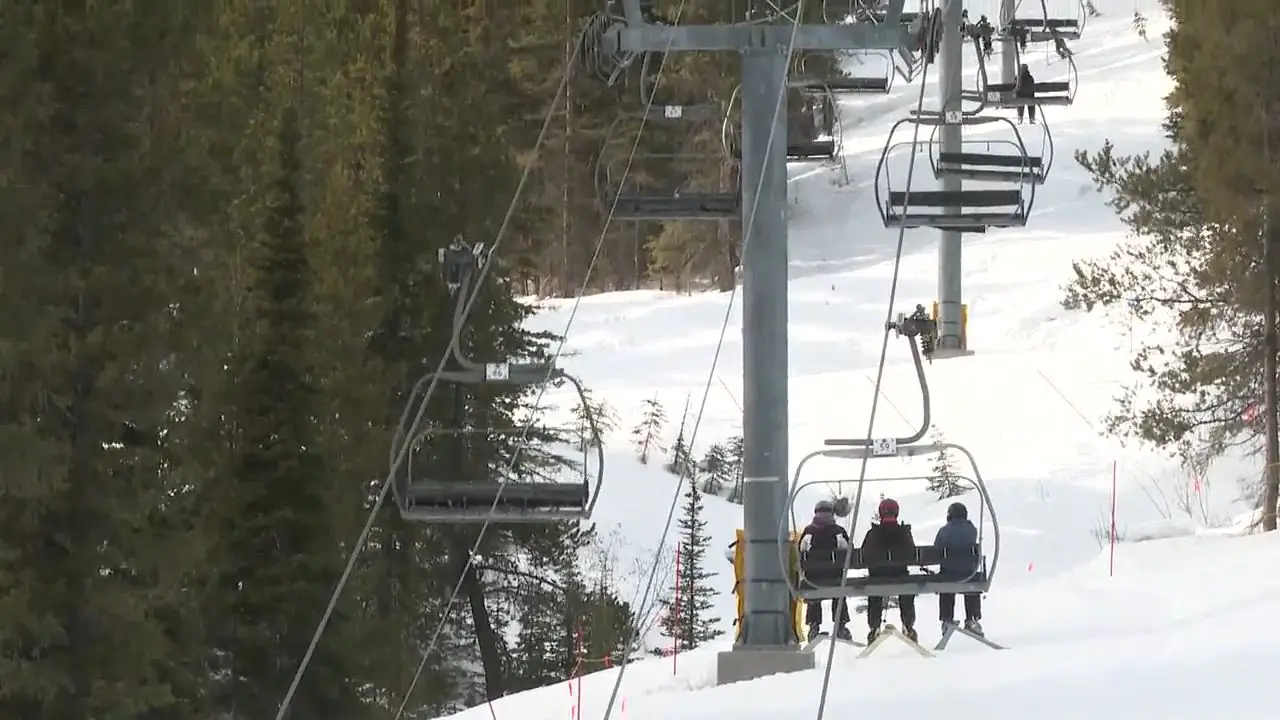
The death of a 13-year-old Ottawa student following a tragic ski lift accident in Quebec has deeply affected families, educators, and communities on both sides of the provincial border. What began as a routine winter school outing ended in a devastating loss that has prompted grief, reflection, and renewed attention to safety practices at recreational facilities. The young girl, described by her family as bright, warm, and full of life, succumbed to injuries days after an incident involving a chairlift at a popular ski hill.
Her passing has not only brought sorrow to those who knew her personally but has also raised broader concerns about risk management, emergency response, and supervision during organized school activities. The accident occurred during a supervised school trip intended to give students an opportunity to experience winter recreation outside the classroom. Such excursions are often designed to promote physical activity, social bonding, and experiential learning.
Instead, this outing became the setting of a rare but catastrophic mechanical incident. According to authorities, the girl’s clothing became entangled in the chairlift as it lifted her from the ground, causing severe injuries that required urgent medical intervention. She was transported for treatment but remained in critical condition before her death was confirmed days later.
Her family shared their grief publicly, remembering her joyful personality and generous spirit. They spoke of the lasting impact she had on those around her and acknowledged the support they received from medical staff, community members, and first responders. They also noted that through organ donation, their daughter’s legacy would extend beyond her own life, offering hope and healing to others in need. Their message reflected both profound sorrow and gratitude, capturing the emotional complexity that often follows sudden loss.
In the days following the incident, multiple investigations were launched to determine the precise circumstances that led to the accident. Authorities and regulatory bodies began examining the mechanical systems involved, as well as operational procedures and oversight protocols. The ski facility temporarily ceased operations and initiated a gradual return only after safety evaluations were underway. Meanwhile, school officials moved quickly to suspend similar trips involving chairlifts while reviewing their own policies and safeguards.
The Incident and Immediate Response
The accident took place during a school-organized visit to a ski hill located northwest of Ottawa, a destination frequently used for student excursions. Winter sports outings are common in regions where snow and skiing form a central part of seasonal recreation, and facilities typically operate with established safety measures designed to protect inexperienced riders. Despite these precautions, chairlift incidents, though uncommon, can occur when clothing or equipment becomes caught in moving parts, especially during boarding or disembarking.
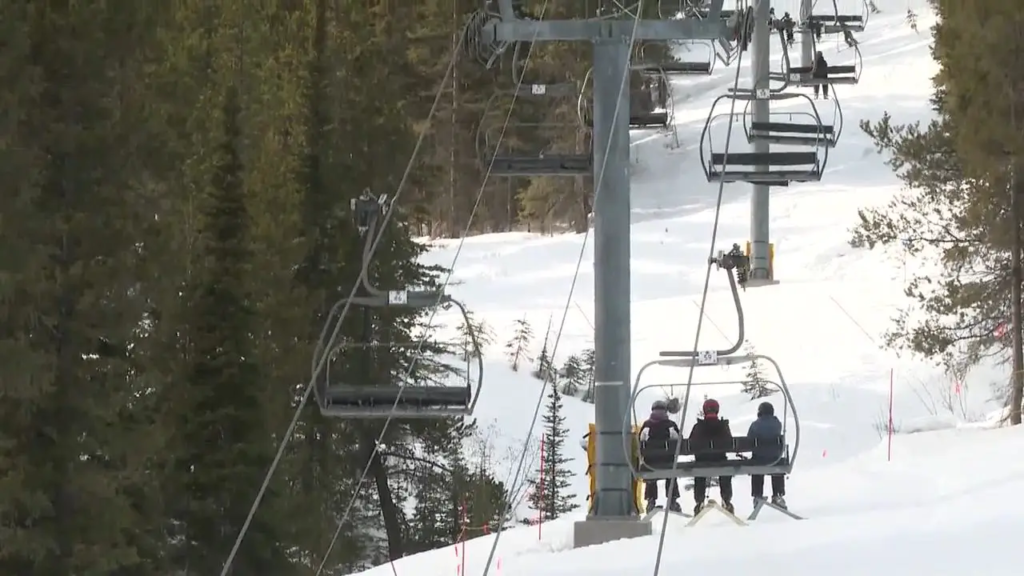
Witness accounts and initial findings indicated that the girl’s clothing became trapped as the chairlift was lifting her from the loading area. Chairlifts function through a continuous mechanical loop, and any obstruction at the point of boarding can create dangerous tension. Operators are trained to monitor passengers closely and to stop the lift if irregular movement or distress is observed. Emergency response teams and resort staff reportedly acted quickly, but the severity of the entanglement led to critical injuries.
Emergency medical services were summoned immediately, and the girl was transported for specialized care. Medical teams worked to stabilize her condition, but the injuries proved too severe. Throughout her hospitalization, her family remained by her side, supported by community members and healthcare professionals. When news of her death was confirmed, tributes and messages of condolence spread rapidly among classmates, teachers, and local residents.
The ski hill temporarily halted operations following the incident, reflecting standard procedure after serious accidents involving mechanical infrastructure. Inspections were carried out by regulatory authorities responsible for building codes and equipment safety. These inspections included a detailed review of the chairlift system, operational procedures, and compliance with provincial standards. The lift involved in the accident was ordered closed pending further evaluation, while other operations resumed only after receiving approval from oversight bodies.
Investigators also began examining whether procedural or mechanical factors contributed to the event. Such investigations typically assess multiple variables, including operator response time, passenger instructions, signage clarity, equipment condition, and training protocols. Determining causation in these cases often requires technical analysis, mechanical testing, and interviews with staff and witnesses. The process can take weeks or months, depending on the complexity of the circumstances.
Community Grief and Institutional Response
The emotional impact of the tragedy extended far beyond the immediate family. Students who attended the outing, classmates who knew the girl, and school staff all experienced the shock of losing someone so young in such an unexpected way. School communities often function as close-knit social networks, and the sudden death of a student can profoundly affect the sense of safety and normalcy within that environment.
Education officials responded by offering mental health support services to students and staff. Counselors were made available to help young people process grief, confusion, and anxiety. The presence of professional support is widely recognized as essential in helping children and adolescents cope with traumatic events, particularly when those events occur during structured school activities that are typically associated with trust and supervision.
The school board also moved quickly to suspend all chairlift-based ski trips while reviewing what had happened. This precautionary measure reflected an institutional responsibility to ensure that all future activities meet the highest possible safety standards. Reviews of school excursion policies often include assessments of risk communication, supervision ratios, emergency planning, and coordination with external facilities.
Meanwhile, the ski resort expressed sorrow over the loss and offered condolences to the family and the school community. Public statements emphasized the organization’s commitment to safety and its intention to cooperate fully with investigations. Such responses are typical following incidents involving public recreational infrastructure, as operators must balance transparency, accountability, and operational continuity.
Community members rallied around the family through expressions of sympathy, memorial gestures, and shared remembrance. In many cases, tragedies involving young people prompt collective reflection on vulnerability and responsibility. Families, educators, and recreational providers often find themselves confronting difficult questions about risk, prevention, and preparedness.
The girl’s family, while grieving, also highlighted a message of compassion through organ donation. Their decision underscored the possibility of life continuing in other forms even amid loss. Public awareness of organ donation often increases following such acts, as communities witness how one family’s decision can transform tragedy into a source of hope for others.
Safety, Oversight, and Broader Implications
Serious accidents involving ski lifts are relatively rare, but when they occur, they prompt renewed scrutiny of mechanical systems and safety procedures. Chairlifts are engineered with multiple safeguards, including emergency stop mechanisms, operator monitoring protocols, and maintenance schedules designed to detect wear or malfunction. However, the interaction between mechanical systems and human behavior introduces variables that cannot always be fully controlled.
Clothing entanglement is one of several known risks associated with lift boarding and unloading. Loose garments, scarves, and improperly secured equipment can become caught in moving components. Safety instructions typically advise riders to secure clothing and follow operator guidance closely. For younger or inexperienced skiers, supervision and clear instruction are particularly important.
Read : Ski Jumper Annika Belshaw Disqualified from Olympic Final Over Ski Length
Regulatory oversight bodies are responsible for ensuring that ski lifts and similar infrastructure meet established engineering and operational standards. Inspections may occur routinely as well as after incidents. These reviews examine structural integrity, maintenance records, operator training, and compliance with technical regulations. When deficiencies are identified, authorities may order repairs, modifications, or temporary closures.
The involvement of a coroner in this case reflects the need for an independent examination of the cause of death. Coroner investigations often focus on medical factors, injury mechanisms, and contributing circumstances. Their findings can inform future safety recommendations and policy changes.
School-organized recreational trips also operate within structured frameworks of risk assessment and duty of care. Educational institutions must evaluate whether external facilities meet safety expectations and whether supervision arrangements are adequate. Following serious incidents, school boards often reassess approval processes, emergency planning, and communication protocols with parents.
The broader implications of such tragedies often include public discussion about balancing recreational opportunity with safety assurance. Outdoor education and winter sports offer significant physical and social benefits, but they also require careful management of environmental and mechanical risks. Communities may respond by strengthening guidelines, improving training, or enhancing awareness campaigns aimed at preventing similar incidents.
As investigations continue, authorities will work to establish a clear understanding of what occurred and whether procedural or structural changes are needed. Findings from such inquiries can influence regulatory standards, operational training, and institutional policies. While no measure can undo the loss experienced by the family and community, the pursuit of understanding remains an essential part of preventing future tragedies.
The young girl’s life, remembered for its warmth and vitality, has left an enduring impression on those who knew her and those who have learned of her story. Her passing has prompted reflection not only on safety but also on compassion, resilience, and the interconnected nature of communities when confronted with sudden loss.