
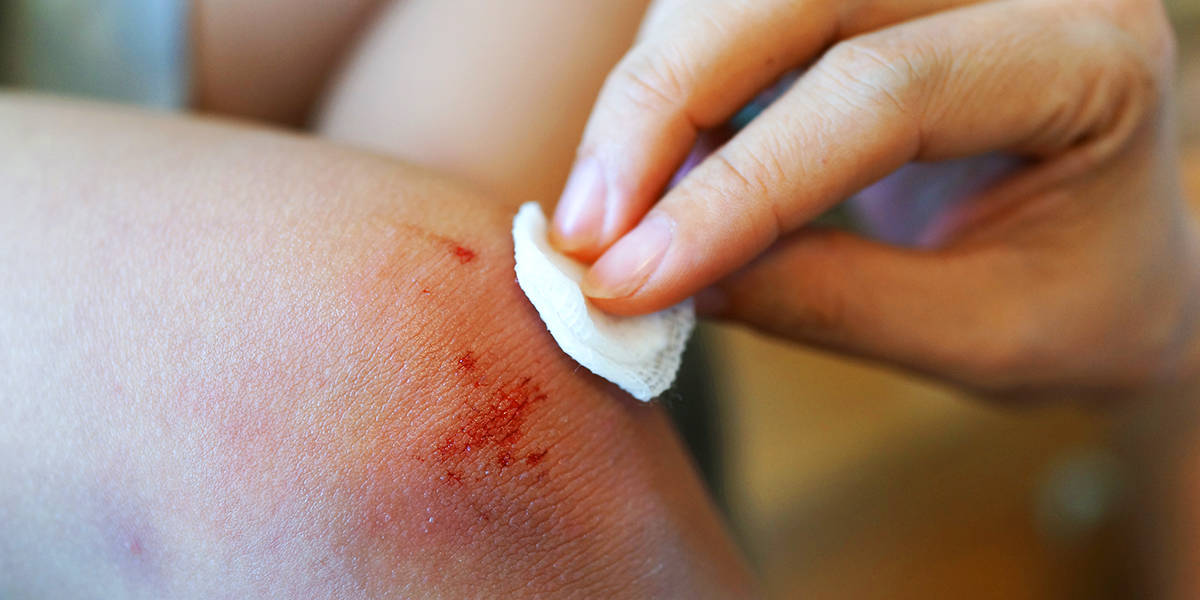
In a serious public health development, UK health authorities have issued warnings regarding the use of certain alcohol-free cleaning wipes, which have been linked to infections caused by a rare but potentially harmful bacteria. The advice specifically cautions against using these wipes on open wounds, cuts, grazes, or broken skin, after an outbreak of Burkholderia stabilis (B. stabilis) was associated with their use.
Despite the relatively low number of confirmed cases over the years, some individuals have developed serious infections requiring hospitalisation, prompting swift action and public notification by both the UK Health Security Agency (UKHSA) and the Medicines and Healthcare Products Regulatory Agency (MHRA).
While cleaning wipes are a common fixture in first aid kits across households and medical settings, this latest development underlines the critical importance of understanding which products are safe for use on broken skin and which should strictly be avoided.
Not all wipes are created equal, and as this situation has shown, misuse can have unintended health consequences. Here’s what you need to know about the ongoing situation, the bacteria in question, and why certain products are now being pulled from circulation.
The Link Between Non-Sterile Wipes and Bacterial Infection
The current concern emerged after a cluster of infections caused by Burkholderia stabilis was traced back to specific brands of alcohol-free, non-sterile cleaning wipes. According to UKHSA, there have been 51 confirmed cases of infections linked to B. stabilis between 2018 and 2025. Although this number may seem small, the nature of the bacteria and the fact that some cases led to serious illness has put these products under scrutiny.
Health experts have stressed that the overall risk to the general public remains low. However, the implications for people who use these wipes improperly — particularly on open wounds — are significant enough to justify urgent warnings. The wipes identified in the outbreak are not sterile and were never meant for use on cuts, scrapes, or any type of broken skin. Unfortunately, many consumers are unaware of the differences between sterile and non-sterile wipes, leading to their widespread misuse.
The products that have come under investigation include:
- ValueAid Alcohol Free Cleansing Wipes
- Microsafe Moist Wipe Alcohol Free
- Steroplast Sterowipe Alcohol Free Cleansing Wipes
- Reliwipe Alcohol Free Cleansing Wipes
Of particular note is that Reliwipe wipes were found to contain a different strain of the bacteria than the other products, but they are still considered part of the risk category. Both UKHSA and MHRA have made it clear that any non-sterile, alcohol-free wipe should never be used for cleaning wounds. This distinction is now being reiterated in public advisories, and officials are calling on consumers to dispose of the affected wipes immediately to avoid further risk.
Understanding Burkholderia stabilis and Its Health Risks
Burkholderia stabilis is a member of the Burkholderia cepacia complex, a group of bacteria that are known to cause infections in immunocompromised individuals and those with pre-existing health conditions. It is commonly found in soil and water and is generally harmless to healthy individuals. However, when introduced into the body through cuts, intravenous lines, or surgical wounds, it can become pathogenic and difficult to treat due to its resistance to many common antibiotics.
Read : COVID-19 Cuts Global Life Expectancy by Nearly 2 Years: WHO
The main concern with B. stabilis is its resilience and adaptability in moist environments, which makes it capable of surviving in improperly manufactured hygiene products, including cleaning wipes. It thrives in environments where sterility is compromised, which makes non-sterile products particularly susceptible to contamination if stringent quality controls are not maintained during manufacturing and packaging.
Infection from this bacterium can manifest in several ways — ranging from mild skin irritation to more severe infections such as bloodstream infections, pneumonia, and abscess formation. For vulnerable populations, including the elderly, children, and those with weakened immune systems, the consequences can be more serious.
What complicates the situation further is the nature of the bacteria’s resistance. Unlike more commonly known pathogens, B. stabilis is not easily eradicated by standard cleaning agents, including many antiseptics. This contributes to the seriousness of the public health concern, especially in hospital settings where patients are at elevated risk of infection through intravenous lines and post-surgical wounds.
Health experts are now urging greater caution and education around the proper use of wound care products to help prevent such outbreaks in the future. As this incident demonstrates, even basic items like wipes — when misused — can become vehicles for serious infections.
What Consumers Should Do and How to Treat Wounds Safely
In light of the findings, UKHSA and MHRA have issued very clear guidance to the public: discontinue use of the listed products immediately and dispose of them in household waste. If you suspect that you have used one of these wipes on a wound and are experiencing signs of infection — such as redness, swelling, increased pain, pus, or fever — seek medical attention promptly.
Dr. James Elston, a consultant in epidemiology at UKHSA, emphasized that while the risk is low, public awareness is essential. “It is important these types of wipes are not used for the treatment of injuries, wounds, or broken skin, and that they are not used to clean intravenous lines,” he said. This reminder serves as an important public health message, not only about the current outbreak but about general hygiene practices.
MHRA’s chief safety officer, Dr. Alison Cave, echoed these sentiments, stating that wipes intended for medical use must be approved and authorised. “We consider wipes which are intended for a medical purpose to be medicines,” she said, pointing out that the wipes under investigation did not meet the regulatory standards required for medicinal products.
So what should you use to clean a cut or scrape instead? NHS guidelines recommend the following steps:
- Wash your hands thoroughly with soap and water before treating any wound.
- Clean the wound gently with clean running water to remove any dirt or debris.
- Use sterile saline solution or antiseptic wipes marked “sterile” if available.
- Pat the area dry with a clean towel or sterile gauze.
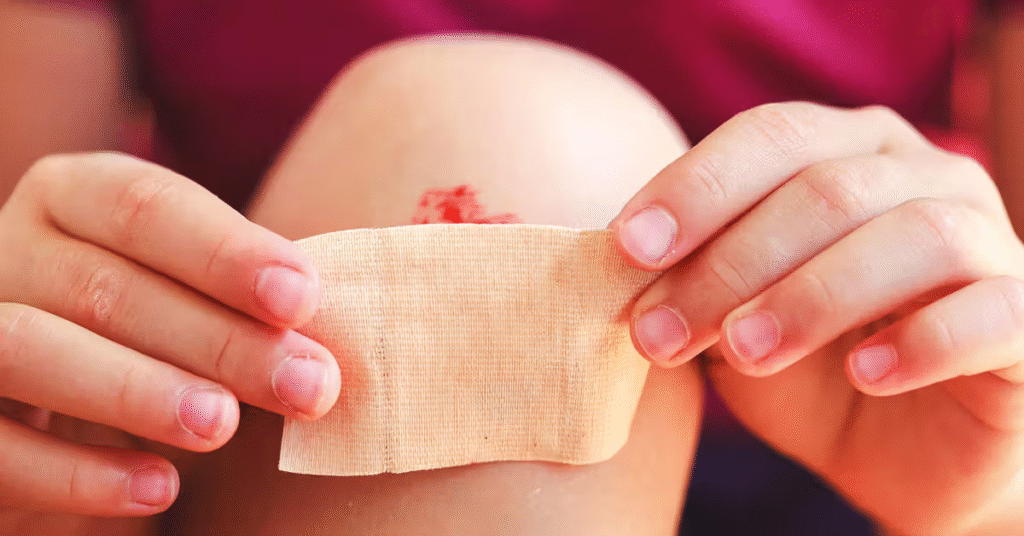
- Apply a sterile adhesive bandage or dressing to protect the wound from further contamination.
- Seek medical help if the wound is deep, continues to bleed, shows signs of infection, or was caused by something dirty or rusty.
It is crucial to understand the labeling on first aid products. Always look for the term “sterile” on wipes or solutions intended for use on broken skin. Products that are not sterile should be reserved for cleaning intact skin or surfaces — never wounds.
For healthcare professionals and carers, this advice is even more critical. The use of contaminated wipes in hospital or care settings, particularly around intravenous access points or post-operative wounds, could lead to outbreaks of infection that are difficult to contain. Institutions are therefore being reminded to review their hygiene protocols and verify the sterility of all wound-care supplies.
As a precaution, public health bodies are also calling on manufacturers and suppliers to conduct rigorous quality checks and ensure their products are properly labelled. The distinction between sterile and non-sterile products should be clear to avoid further confusion among consumers.
While the infection risk associated with the recalled wipes is not widespread, the consequences for affected individuals can be serious. This incident serves as a reminder of how essential it is to follow proper wound care practices and to understand the limitations and intended use of over-the-counter hygiene products. Public health agencies have acted swiftly to contain the threat, but ongoing vigilance — both from consumers and manufacturers — is key to preventing similar outbreaks in the future.