
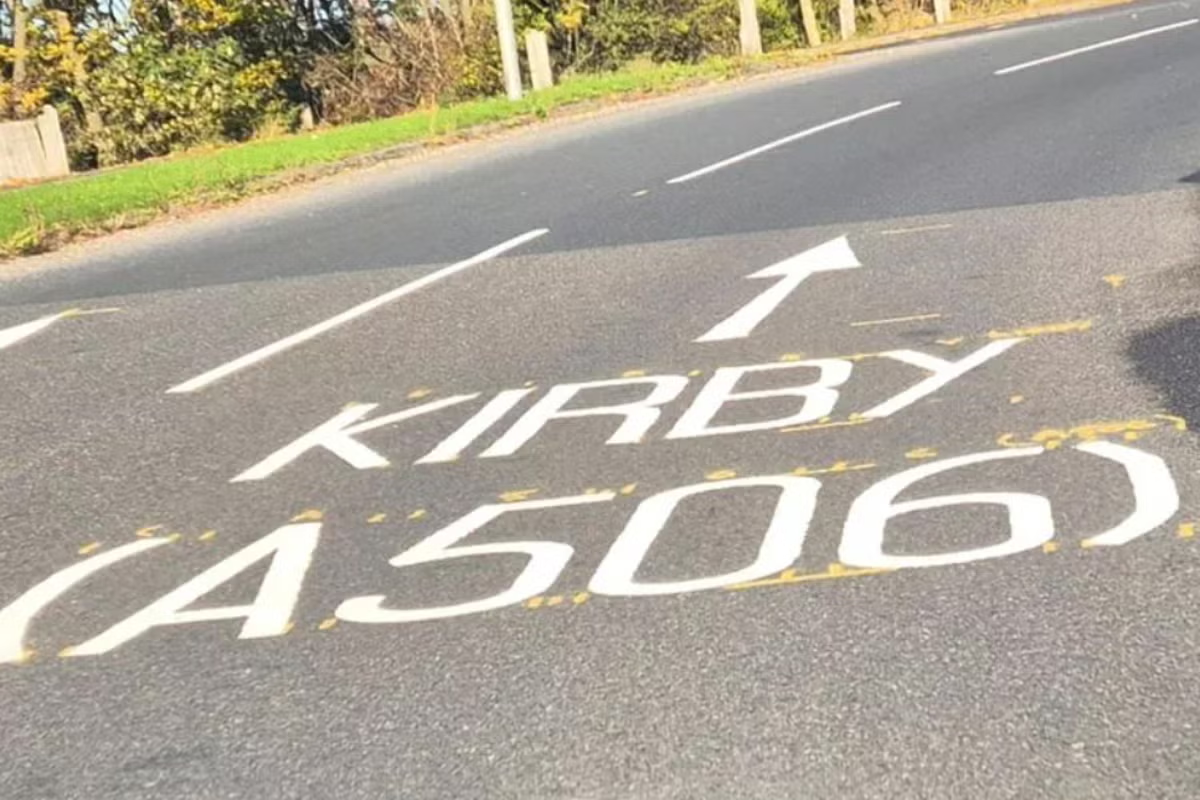
The town of Kirkby in Merseyside has found itself at the centre of an unexpected controversy after road signs located near the M58 junction were discovered to have spelled the town’s name incorrectly as “Kirby”. What initially seemed like a small typographical error has instead sparked frustration, disappointment, and even a sense of disrespect among local residents.
For the people of Kirkby, whose town has a clear identity and strong community ties, the misspelling feels careless and avoidable, especially since the correct spelling is widely known and displayed prominently in existing signage across the area. The mistake has drawn attention both locally and nationally, raising questions about oversight, accountability and the symbolism of place names within civic spaces.
Kirkby, home to around 45,000 residents, carries a distinct history, culture and working-class heritage that is visible in the pride of its community. Names matter in places like Kirkby because they represent belonging and collective identity. Something as simple as a missing letter is more than a typographical oversight; it is perceived as a dismissal of the town’s significance.
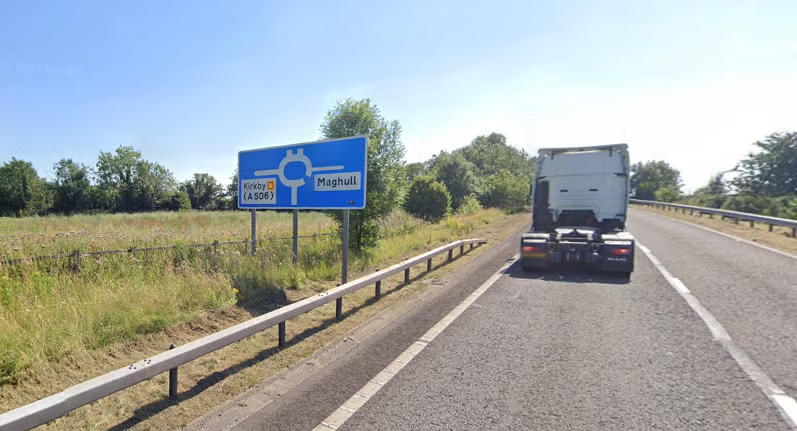
Local reactions have reflected a sense of frustration that a public authority responsible for maintaining infrastructure could allow such an error to be installed, printed, and displayed without correction. Even more striking is that in some cases, signs with the incorrect spelling sit directly alongside existing signage showing the correct version, making the issue even more noticeable to residents and visitors alike. The local response has been vocal and insistent that the mistake must be corrected quickly.
The majority of residents who have spoken publicly emphasise that the error is not merely cosmetic. Instead, they see it as a reflection of broader attitudes about how their town is valued and represented. This has led the matter to become not simply about spelling, but about dignity, recognition, and local pride. With plans reportedly underway to replace the incorrect signage, local authorities now face increased scrutiny as residents call for greater attention to detail in how the town is presented in public infrastructure.
Community Reaction to the Misplaced Letter
The reaction among residents has been immediate and strongly expressed. For many locals, the issue is more than just an irritation—it is seen as disrespectful. One resident, Kim Bradshaw, who first noticed the spelling while driving around the roundabout near the motorway, described her shock and disappointment. She expressed the view that such mistakes should not be happening in the first place, especially on official road signs designed, approved and installed by public authorities.
Her remarks reflect a broader sentiment that the mistake signals carelessness, and that the oversight should be corrected without delay. Other residents have taken to social media platforms to express disbelief and annoyance. A widely shared comment pointed out the irony that some of the incorrect signs are positioned next to signs with the correct spelling, making the blunder even more obvious.
Read : Malaysian Rapper Namewee Arrested Over Alleged Murder of Taiwanese Influencer ‘Nurse Goddess’
For long-time residents, the misspelling of Kirkby as “Kirby” is not a new frustration. The town’s name has long been mispronounced or mishandled by outsiders, and the incorrect road signs reinforce a misunderstanding that many have spent decades correcting in conversation, correspondence and identity references. One former resident who moved away more than fifty years ago shared that the incorrect spelling still bothers him.
Read : Top 10 Most Peaceful Countries in the World According to Forbes
This highlights how place names are tied to memory and emotional attachment. When a town’s name is spelled correctly, it conveys accuracy, care and familiarity. When it is misspelled, even inadvertently, it can feel dismissive of that history and belonging. Another resident described the situation as embarrassing, particularly because the signs are visible to motorists, visitors and commuters who may be passing through the area. For the public, signage is a marker of place, and when that marker is wrong, it alters the perception of that place.
The Importance of Place Names in Civic Identity
Place names carry meaning far beyond their literal function as geographical identifiers. They represent cultural heritage, identity and shared history. Towns like Kirkby, with a strong working-class tradition and a deeply rooted community ethos, have a particularly acute sensitivity to how their identity is represented in public spaces.
When local councils or highways authorities make errors in signage, it sends a subtle message about the level of care and attention afforded to the places they manage. Even small errors can create a perception of neglect, suggesting that the town does not receive the same consideration as others. The people of Kirkby have often faced historical stereotypes, economic challenges and shifting public narratives.
As such, maintaining accuracy in something as visible as town signage carries symbolic weight. Residents are aware that outsiders may not notice the error, but they themselves see it immediately. This reinforces the feeling that public representation matters most to those who are directly connected to the place. It also reflects how seemingly minor administrative oversights can escalate into larger community conversations about respect and recognition.
Municipal signage plays a role not only in navigation but also in establishing a sense of legitimacy. When towns are spelled correctly and represented accurately, it signals that they are acknowledged and valued by the authorities tasked with overseeing public infrastructure. Conversely, errors suggest a lack of attentiveness or prioritization. This dynamic is particularly salient in regions where communities often feel overlooked in broader national planning or public discourse.
Council Response and Next Steps
Reports indicate that plans are underway to address and correct the signage error. Both Sefton Council and Liverpool City Council have been contacted regarding the issue, though responsibility for motorway signage often involves collaboration with national highway authorities. It remains important that the correction happens promptly, both to address the practical issue and to demonstrate respect for the residents’ concerns.
A swift response would signal that local sentiment is acknowledged and understood. Residents are likely to continue monitoring the situation until visible changes are made. The issue has opened a broader conversation about attention to detail in public services and the importance of ensuring that official representations of towns and communities reflect their identities accurately.
While the correction of signage may appear straightforward, the wider implications about respect, belonging and civic pride will continue to shape how the event is remembered locally. The incident underscores the importance of careful review processes in public infrastructure projects, particularly when those projects involve place names with cultural or historical significance.
For Kirkby, ensuring that its name is represented correctly is a matter of community recognition and self-respect. Once the incorrect signs are replaced, the town will likely continue to assert its identity proudly, but the event has served as a reminder of the important role that accuracy plays in maintaining the dignity of local communities.
**mitolyn official**
Mitolyn is a carefully developed, plant-based formula created to help support metabolic efficiency and encourage healthy, lasting weight management.
Ưu Đãi Độc Quyền từ xn88 lừa đảo .sbs: Đăng ký tham gia trở thành Thành viên của xn88 lừa đảo – Gửi tiền & cược Thể Theo thưởng tới 450k mỗi ngày cực chất! TONY03-11O