
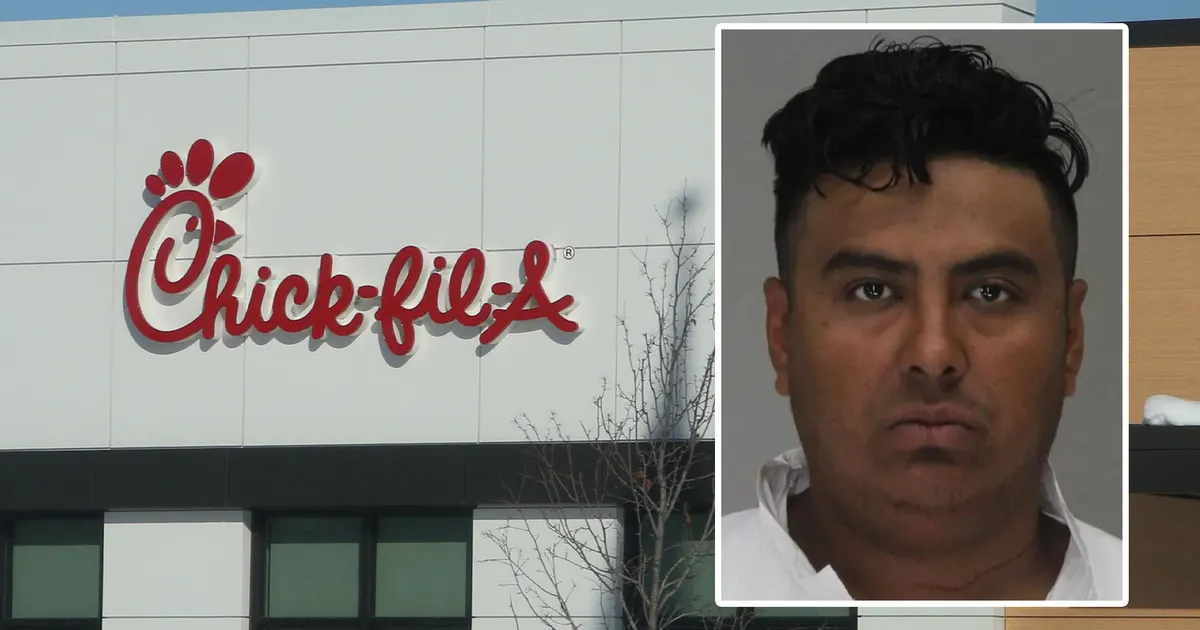
A violent workplace shooting that stunned a Texas community reached a decisive legal conclusion after Oved Bernardo Mendoza Argueta admitted responsibility for killing two employees at a Chick-fil-A restaurant where his wife was working at the time of the attack. The incident, which unfolded in broad daylight and involved multiple victims, prompted a swift law enforcement response and led to Argueta’s arrest within hours of the shooting.
Nearly eight months later, his guilty plea brought formal resolution to a case that left families grieving, coworkers shaken, and authorities confronting the devastating consequences of sudden workplace violence. The shooting occurred during normal business hours, transforming a routine afternoon into a scene of chaos and fear. According to court documents and police reports, Argueta entered the restaurant, moved through different areas of the building, and opened fire, targeting employees who were working alongside his wife.
Investigators later confirmed that his wife was present during the incident, adding a deeply personal dimension to an already tragic crime. Two employees lost their lives, and another suffered injuries. The attack left lasting emotional and psychological impacts on those who survived and those connected to the victims.
After fleeing the scene, Argueta became the focus of an overnight manhunt that ended with his arrest early the following morning. Prosecutors later filed multiple charges, and the case proceeded through the legal system before culminating in his guilty plea on February 11. He was sentenced to life in prison for murder, along with an additional prison term for aggravated assault with a deadly weapon. Officials stated that the sentence ensures accountability for the lives lost and reflects the severity of the violence committed.
The Shooting and Immediate Aftermath
On June 26, 2024, at approximately 3:50 p.m., Oved Bernardo Mendoza Argueta entered the Chick-fil-A location where his wife worked and began firing a weapon inside the restaurant. According to police reports, the attack first unfolded in the main seating area, where customers and employees were present. He then moved into the kitchen, continuing the shooting. The rapid sequence of events left little opportunity for those inside to react or escape safely. Witnesses described a sudden eruption of panic as people attempted to take cover or flee the building.
Two employees were fatally shot during the attack, and a third was wounded. Emergency responders arrived shortly after reports of gunfire were received. Medical personnel treated the injured individual and transported victims for further care. Law enforcement secured the area and began interviewing witnesses, many of whom had witnessed the violence firsthand. The scene reflected the abrupt and overwhelming nature of the incident, with investigators working to reconstruct the sequence of events and identify the shooter’s movements throughout the restaurant.
A crucial development in the early stages of the investigation came when Argueta’s wife identified him to authorities. Her identification allowed police to move quickly in locating the suspect. Officers determined that he had fled in a vehicle shortly after the shooting, prompting a search effort across the surrounding area. The investigation involved coordination among multiple law enforcement units, and authorities tracked leads overnight.
Argueta was ultimately located and arrested at approximately 2:50 a.m. the following morning. Police announced his apprehension after taking him into custody without further reported violence. His arrest marked the end of the immediate search but marked the beginning of a legal process that would extend for months. During the investigation, authorities did not publicly identify a specific motive, and officials refrained from speculation while continuing to gather evidence and testimony related to the case.
Read : Land Sold for Just 1 Krona Per Square Meter in Götene Town of Sweden
The aftermath of the shooting extended beyond the crime scene. Employees, witnesses, and family members faced profound emotional trauma. Businesses in the area experienced disruptions, and community members grappled with the shock of a fatal attack occurring in a familiar public space. The sudden loss of life in a workplace setting intensified concerns about safety and the unpredictable nature of violent acts that occur without warning.
Legal Proceedings and Guilty Plea
Following his arrest, Argueta faced multiple criminal charges stemming from the shooting. Prosecutors pursued one count of murder related to the death of one victim and two counts of aggravated assault with a deadly weapon connected to the second fatality and the injured employee. The charges reflected both the fatal outcomes and the broader harm inflicted during the attack.
The legal process involved the examination of police reports, witness statements, and physical evidence collected from the scene. Prosecutors built their case based on the sequence of events documented during the investigation, including Argueta’s actions inside the restaurant and his subsequent flight. The identification by his wife and his eventual arrest formed key components of the case timeline.
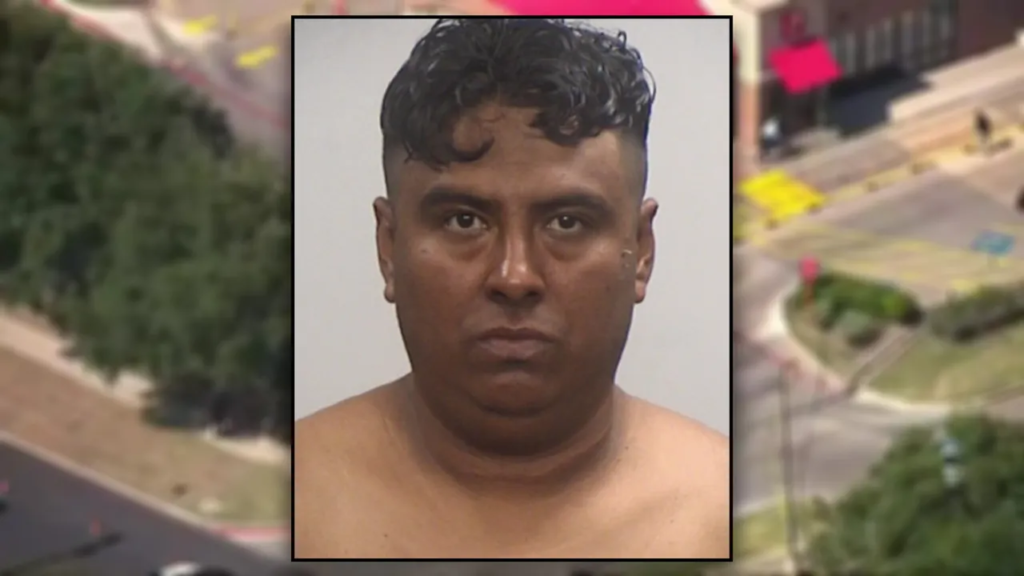
On February 11, Argueta entered a guilty plea. By admitting responsibility, he avoided a full trial, but the seriousness of the charges ensured significant sentencing consequences. The court imposed a life sentence for the murder conviction. In addition, he received a 20-year sentence for the aggravated assault charges. These sentences reflected the severity of the violence and the multiple victims affected by the shooting.
The Dallas District Attorney’s Office issued a statement following the sentencing, acknowledging the magnitude of the loss experienced by the victims’ families. Officials emphasized that while legal outcomes cannot reverse the harm caused, the sentence establishes accountability and affirms the legal system’s response to violent acts within the community. The statement underscored that the prosecution sought to deliver justice through the application of criminal law rather than speculation about motive or personal circumstances.
The guilty plea provided procedural closure to the criminal case, eliminating the uncertainty of a prolonged trial. For families and survivors, however, legal resolution does not eliminate the enduring impact of the event. Court proceedings addressed responsibility and punishment, but the emotional and personal consequences remain part of the broader legacy of the crime.
Impact on Families, Coworkers, and the Community
The deaths of two employees and the injury of another reverberated far beyond the immediate workplace. Families of the victims faced the sudden and irreversible loss of loved ones who had been engaged in ordinary daily routines when the violence occurred. Coworkers who survived the incident confronted both grief and trauma, having witnessed or experienced a life-threatening event in a place associated with routine employment and social interaction.
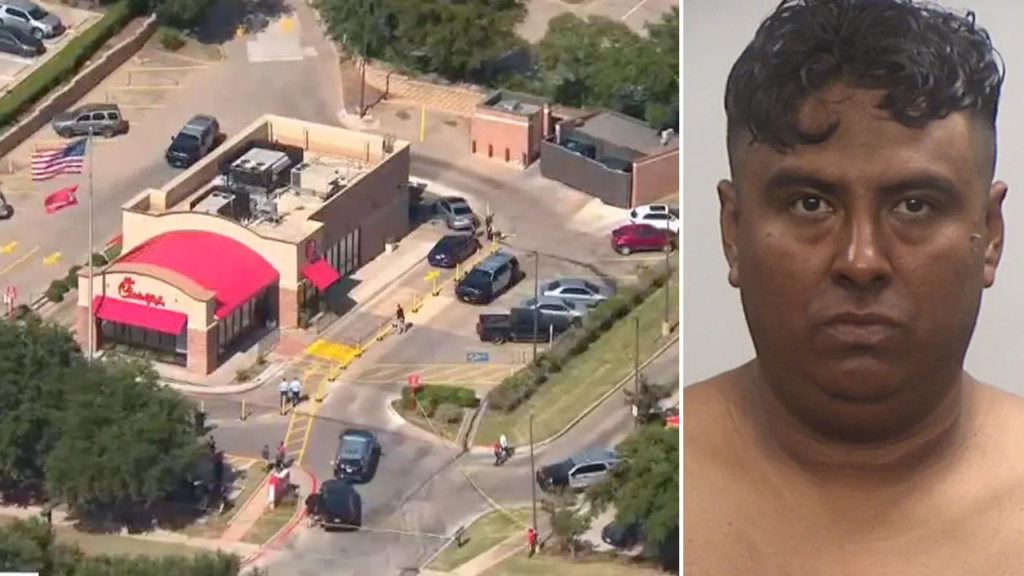
Workplace shootings often carry a distinct psychological weight because they disrupt environments typically regarded as safe and predictable. In this case, the attack occurred during regular business operations, amplifying the shock experienced by employees and patrons alike. The restaurant setting, usually defined by routine service and public interaction, became the location of a fatal confrontation with no apparent warning.
Community members also experienced collective distress. Incidents of violence in public spaces often generate widespread concern about safety and the possibility of similar events occurring elsewhere. The sudden nature of the shooting and the lack of publicly identified motive left many questions unanswered, contributing to an atmosphere of unease in the weeks following the event.
Support services and counseling resources are commonly made available in the aftermath of such incidents to help those directly affected process trauma. Survivors and witnesses often require time and structured assistance to cope with the emotional consequences of experiencing violence firsthand. Families of the victims must navigate grief while also confronting the legal and procedural realities that follow a homicide investigation.
The legal outcome of the case provides a formal endpoint to the criminal proceedings, but the social and emotional effects extend beyond courtroom timelines. The memory of the incident becomes part of the community’s shared experience, shaping conversations about safety, violence, and the vulnerability of everyday environments. The lives lost and injured remain central to the lasting impact of the event, which continues to influence those connected to the victims and those who witnessed the attack unfold.