

The tragic death of over 100 kids die in Pakistan due to the lack of an anti-diphtheria vaccine has left a deep scar on the community. This unfortunate incident, which could have been avoided with proper vaccine coverage, has highlighted the severe gaps in Pakistan’s healthcare system.
Despite diphtheria being a preventable disease through vaccination, many children in the country remain vulnerable due to inadequate access to the required vaccines and medications.
The Severity of Diphtheria and Its Impact on Children
Diphtheria is a highly contagious disease caused by the bacterium Corynebacterium diphtheriae. It primarily affects the throat and upper respiratory tract but can also lead to serious systemic complications that can affect the heart and nervous system.
The disease is notorious for producing a thick, greyish-white membrane in the throat, which can obstruct breathing and cause severe difficulty in swallowing. If left untreated, diphtheria can lead to death in around 30% of cases, with children being at a significantly higher risk of fatality.
Read : Fugitive Zakir Naik Praises India in Pakistan: Pakistanis Say ‘Don’t Invite Him Again’
In Karachi, more than 100 children lost their lives to this preventable disease due to the unavailability of the essential Diphtheria Anti-Toxin (DAT). This tragic outcome could have been avoided with timely intervention through vaccination and appropriate medical treatment.
Health experts in Sindh have reported that there has been a consistent shortage of the antitoxin medication, which is crucial for treating diphtheria in its early stages. The lack of availability, compounded by the cost of treatment—estimated at PKR 0.25 million per child—has rendered many families helpless in their fight against this deadly disease.
Despite the calls for better vaccine coverage and intervention, efforts to address this health crisis have been slow. The need for action is urgent, particularly given the devastating toll the disease is taking on children in Pakistan.
A Worsening Crisis Amidst Global Immunization Gaps
Pakistan is not the only country facing challenges in controlling vaccine-preventable diseases like diphtheria. According to the World Health Organization (WHO), global immunization rates have fluctuated in recent years, with the COVID-19 pandemic exacerbating these issues.
During the pandemic, the delivery of routine immunization services and disease surveillance activities was severely impacted, resulting in lower vaccine coverage in many regions, including Pakistan.

In 2023, WHO estimated that around 84% of children worldwide received the recommended three doses of the diphtheria-containing vaccine during infancy. However, this left 16% of children either unvaccinated or with incomplete vaccine coverage, putting them at higher risk of contracting diphtheria.
Pakistan’s immunization rates are alarmingly low compared to other countries with similar economic standing, particularly in regions such as Balochistan, where immunization coverage stands at a mere 38%.
The disparity in vaccination rates across Pakistan is stark, with some regions faring better than others. However, in Karachi and other parts of Sindh, the shortage of essential medical supplies, including the Diphtheria Anti-Toxin, has severely limited the ability of healthcare professionals to treat and control the spread of the disease.
This shortage has had catastrophic consequences for families, especially those unable to afford the high costs of private healthcare and imported medications.
The government of Pakistan, along with international health organizations, needs to take immediate steps to address the gaps in vaccine coverage and ensure the availability of lifesaving treatments such as DAT. Failure to do so will result in further preventable deaths and a worsening public health crisis.
The Need for Urgent Action and Long-Term Solutions
The diphtheria outbreak in Karachi serves as a stark reminder of the critical importance of robust immunization programs. Without comprehensive vaccine coverage, diseases that have long been controlled or eradicated in other parts of the world can resurface and cause widespread devastation.
The deaths of over 100 children in Karachi have underscored the need for urgent action to address the gaps in Pakistan’s healthcare system, particularly when it comes to immunization.
In response to the crisis, health experts have called for increased funding and resources to improve vaccine distribution and ensure the availability of essential treatments such as DAT.
This requires a concerted effort from both the government and international organizations like WHO to implement effective immunization campaigns and raise awareness about the importance of vaccination.
Furthermore, healthcare infrastructure in Pakistan needs significant improvement to handle future outbreaks of preventable diseases. The lack of proper healthcare facilities, particularly in rural areas, has left many communities vulnerable to diseases like diphtheria.
Investment in healthcare infrastructure, alongside training for healthcare workers and better vaccine distribution networks, is essential to preventing further tragedies.
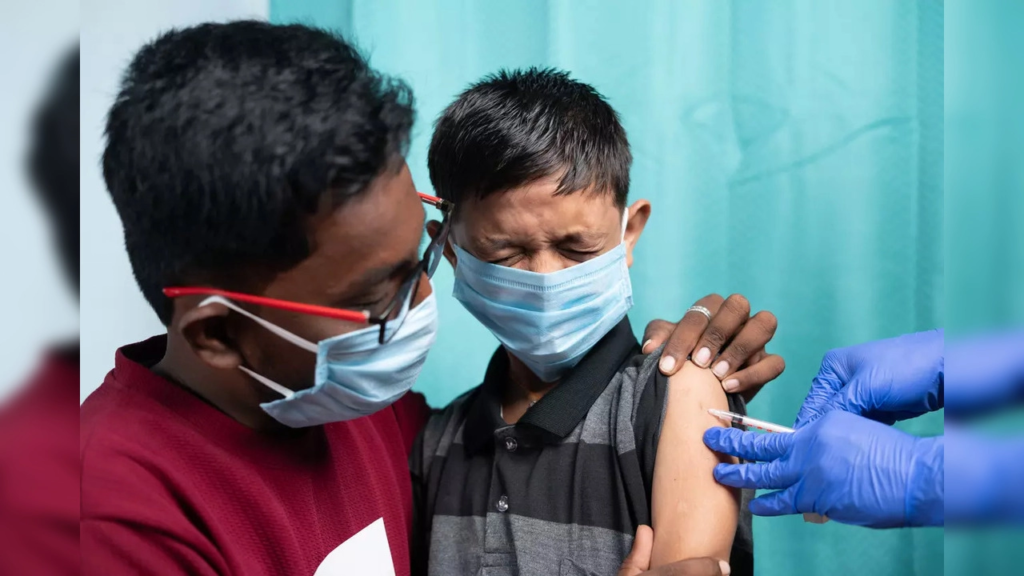
For long-term success, Pakistan must also focus on educating the public about the importance of routine vaccinations. Many parents are either unaware of the need for multiple doses of the diphtheria vaccine or lack access to the necessary healthcare services to ensure their children are fully immunized.
Public health campaigns must be launched to provide accurate information and encourage families to seek vaccination for their children.
Addressing these issues requires not only immediate action but also sustained efforts to improve Pakistan’s healthcare system. The lives of countless children depend on the country’s ability to ensure access to vaccines and lifesaving treatments. Without a comprehensive response, the tragic events in Karachi will only be the beginning of a larger public health disaster.
The loss of over 100 children in Karachi due to diphtheria is a sobering reminder of the challenges Pakistan faces in its healthcare system. Despite the availability of vaccines that can prevent diphtheria, the unavailability of essential medications and low immunization rates have left children vulnerable to this deadly disease. The country must act quickly to address these gaps and prevent further loss of life.
The tragic outbreak in Karachi also highlights the broader issue of global immunization disparities, exacerbated by the COVID-19 pandemic. It is critical for both national governments and international health organizations to work together to ensure that all children have access to life-saving vaccines and treatments. The children of Pakistan, and indeed the world, deserve better.