

The environmental consequences of Russian oil spills are devastating, and the recent incident in the Kerch Strait stands as a grim reminder.
A disaster caused by damaged tankers has led to the death of over 30 dolphins, primarily from the endangered Azov species, in one of the worst ecological tragedies of the region.
As cleanup operations continue, the scale of the damage underscores the urgent need for better maritime safety measures and environmental safeguards.
The Incident: What Happened in the Kerch Strait
The Kerch Strait, a vital maritime route connecting the Black Sea to the Sea of Azov, became the scene of an environmental catastrophe when two oil tankers were damaged during a severe storm.
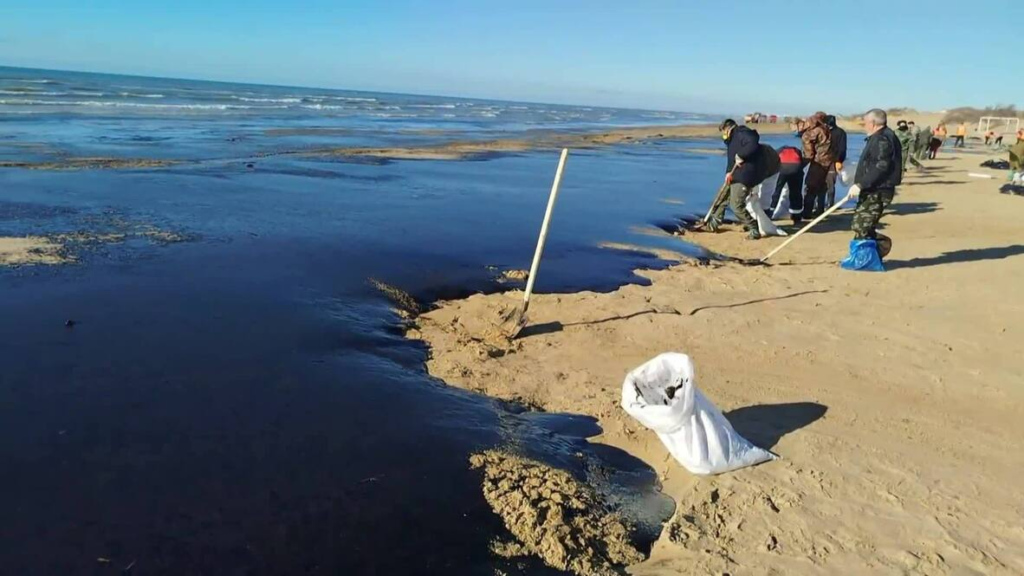
The incident occurred three weeks ago, resulting in a significant oil spill. The spill has since spread along the shores of Russia’s Krasnodar region and the Russia-occupied Crimean Peninsula.
Initial reports suggested minimal damage, but the reality turned out to be far worse. Oil slicks covered vast areas of the water, reaching beaches and coastal habitats.
Read : Wildlife Population Dropped by 73% in 50 Years: WWF
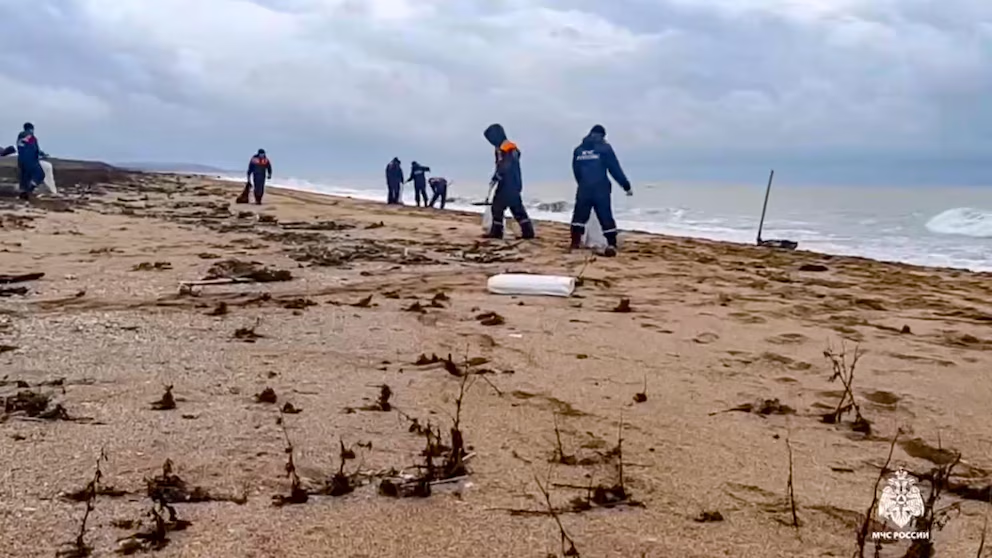
Local authorities were overwhelmed by the magnitude of the disaster, with cleanup efforts hampered by the stormy weather and logistical challenges. The Kerch Strait, already a point of geopolitical contention between Russia and Ukraine, now faces an environmental crisis of significant proportions.
Impact on Marine Life: Over 30 Dolphins Dead
Among the most heartbreaking outcomes of the oil spill is its impact on marine life. The Delfa Dolphin Rescue and Research Center reported that 32 dolphins have died since the spill, many of which belonged to the endangered Azov species.
These dolphins, already struggling due to habitat degradation and declining food sources, were exposed to toxic substances from the spilled oil.
Read : New Study Found That Elephants Call Each Other by Unique Names
Oil spills are particularly harmful to marine mammals like dolphins. The oil damages their skin, impairs their ability to regulate body temperature, and causes internal injuries if ingested.
Additionally, the spill disrupted the ecosystem, contaminating fish and other prey species that dolphins rely on for sustenance. The combination of direct and indirect effects has been catastrophic for the dolphin population in the Kerch Strait.
Experts fear that the death toll may rise as more dolphins succumb to the long-term effects of the spill. The incident highlights the fragility of marine ecosystems and the dire consequences of human negligence.
Ongoing Cleanup Efforts and Political Implications
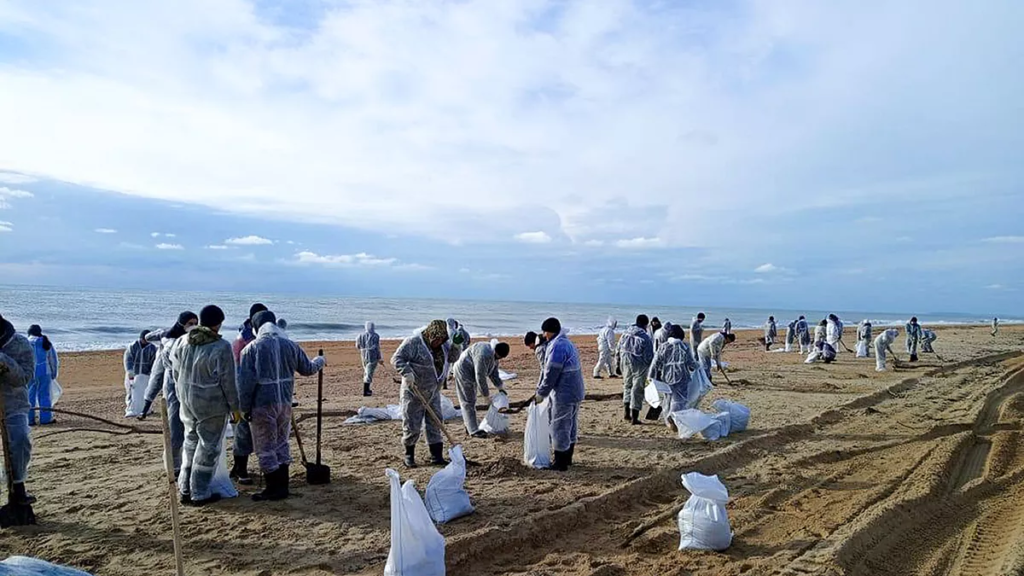
In response to the disaster, Russia’s Emergencies Ministry launched extensive cleanup operations. More than 96,000 tons of contaminated sand and soil have been removed from the affected areas in Krasnodar’s Anapa and Temryuk districts.
Additional efforts are underway in Sevastopol, where oil slicks were detected on the beaches, prompting a regional emergency declaration.
Despite these efforts, the cleanup faces significant challenges. The rough seas have made it difficult to contain the spill, and the sheer volume of oil requires long-term remediation. Environmental activists have called for greater transparency and accountability from authorities, arguing that the incident could have been mitigated with better preventive measures.
The spill also has geopolitical ramifications. Ukrainian officials have labeled the disaster a “large-scale environmental catastrophe” and called for sanctions on Russian tankers. The Kerch Strait, annexed by Russia along with Crimea in 2014, has been a hotspot for tensions between the two countries. The oil spill adds another layer of complexity to an already volatile situation.
A Wake-Up Call for Environmental Action
The Kerch Strait oil spill serves as a stark reminder of the need for stringent maritime regulations and robust environmental policies. As the world grapples with the consequences of climate change and ecological degradation, incidents like this underscore the importance of sustainable practices.
The deaths of over 30 dolphins are a tragic loss for biodiversity, and the spill’s impact on the broader ecosystem will likely be felt for years.
Governments, environmental organizations, and the maritime industry must collaborate to prevent such disasters in the future. This includes investing in safer tanker designs, improving response mechanisms, and holding responsible parties accountable for environmental damage.
As cleanup efforts continue, the Kerch Strait stands as a cautionary tale for the global community. The tragedy of the dolphins must not be forgotten but should instead inspire urgent action to protect our planet’s fragile ecosystems.