
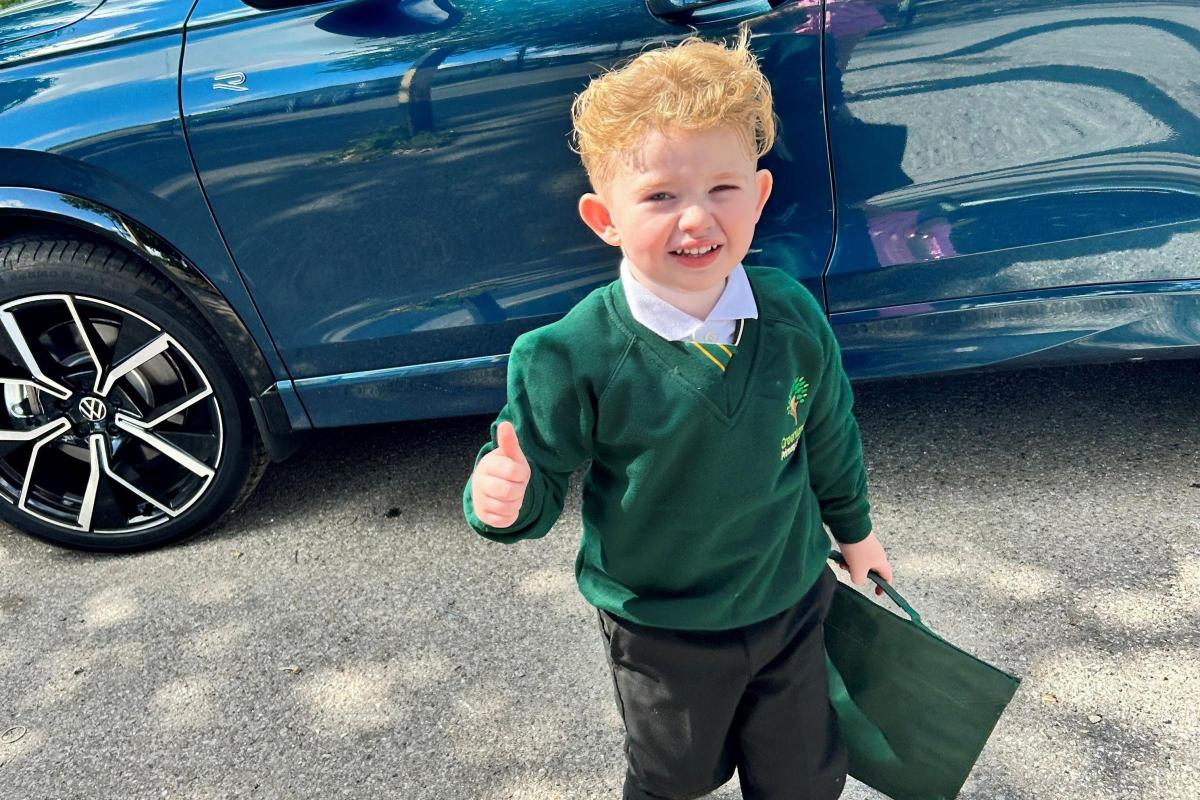
The fatal collision that claimed the life of four-year-old Peter Maughan became the focus of intense legal scrutiny after a high-speed pursuit in Kent ended in tragedy. The case centred on 27-year-old Owen Maughan, who admitted responsibility for the child’s manslaughter but denied committing murder. A jury ultimately cleared him of the more serious charge, while still holding him accountable for actions that led to catastrophic consequences for multiple members of his extended family.
The incident unfolded after a day of heavy drinking and escalating tension between two vehicles travelling along major roads near Dartford. What began as a confrontation between drivers developed into a prolonged pursuit that ended when a pick-up truck overturned following a high-speed impact. Inside the vehicle were members of a family, including two young children. The outcome was devastating: one child lost his life, another was present during the crash, and the driver sustained life-altering injuries.
The trial examined not only the events leading up to the collision but also the motivations behind the pursuit and the intentions of those involved. Prosecutors argued that the crash resulted from deliberate and aggressive driving, while the defence maintained that the defendant did not intend to cause fatal harm. The jury’s decision reflected a distinction between reckless and unlawful conduct that resulted in death and the specific legal threshold required to prove murder.
Events Leading to the Fatal Collision
On 1 June last year, tensions rose between two vehicles travelling along the A2 in Kent following what witnesses described as an increasingly hostile exchange between drivers. According to court testimony, Owen Maughan and his father, Patrick Maughan, had been drinking earlier in the day in Rochester, consuming significant amounts of alcohol before beginning their journey home. Their behaviour on the road later became central to the prosecution’s case.
The conflict reportedly began when the pair noticed a pick-up truck similar to their own and approached it. The situation escalated after an exchange between Owen Maughan and the driver of the other vehicle, Lovell Mahon. The two vehicles travelled alongside one another for some time, with arguments and gestures exchanged between drivers. According to the defendant’s account, he believed a physical confrontation might occur and followed the vehicle partly out of anger and partly, he claimed, to provoke a reaction.
Inside the pursued vehicle were members of Owen Maughan’s extended family. His cousin, Hayley Maughan, sat in the front passenger seat. In the rear were her children, including Peter and his one-year-old sister Annarica Maughan. Evidence presented to the jury showed that Hayley recorded video clips during the pursuit and left a voice message expressing fear about being followed, suggesting the occupants felt increasingly threatened as events unfolded.
The chase continued for several miles before the decisive moment occurred. Owen Maughan drove into the wrong lane and made contact with the rear of the pick-up at approximately 60 miles per hour. The impact caused the vehicle to lose control and roll over multiple times. During the crash, Peter was thrown from the vehicle and suffered severe injuries to his head, chest, and abdomen. He later died as a result of those injuries.
Read : 51-Year-Old Abraham Feinbloom Arrested for Murder of Missing 17-Year-Old T’Neya Tovar
Lovell Mahon sustained major trauma, including a fractured skull. Medical evidence presented during the trial indicated that his injuries would likely prevent him from ever walking again. The younger child survived, but the emotional and physical consequences for the family were profound.
Read : Lewis Hamilton Falls Asleep During Press Conference
Following the crash, Owen Maughan and his father left the scene. Evidence showed they paused at one point so Patrick Maughan could remove the registration plate from their vehicle. According to the defence, this action was taken in panic rather than as part of a calculated attempt to evade responsibility. Nevertheless, their departure from the scene formed part of the broader narrative presented to the jury about the events immediately after the collision.
Courtroom Proceedings and Legal Arguments
The trial at Maidstone Crown Court focused on determining whether the fatal collision constituted murder or manslaughter. Prosecutors argued that Owen Maughan had used his vehicle as a weapon, deliberately ramming the other car with sufficient force to send it off the road. The prosecution’s case relied on the assertion that his actions were intentional, aggressive, and carried out with knowledge of the likely risk of serious harm.
In legal terms, the distinction between murder and manslaughter hinges heavily on intent. To secure a murder conviction, prosecutors needed to demonstrate beyond reasonable doubt that Owen Maughan either intended to kill or intended to cause grievous bodily harm that could foreseeably result in death. The defence challenged this interpretation, arguing that while the defendant’s behaviour was reckless and dangerous, it did not meet the threshold of deliberate intent required for murder.
Owen Maughan testified that he did not know children were present in the vehicle and said he was shocked by the severity of the crash. He told jurors that he intended only to strike the side of the pick-up to force it to stop so the argument between drivers could be resolved face to face. He denied attempting to cause serious injury and described the crash’s outcome as something he “couldn’t believe” when he saw the vehicle overturn.
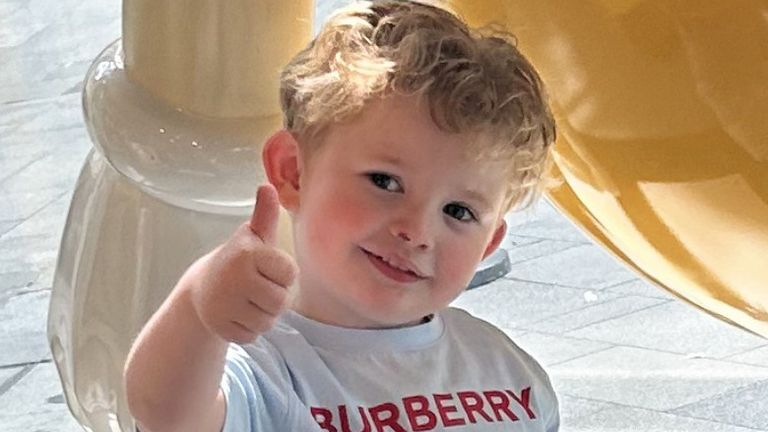
The jury was also presented with evidence of the heavy drinking that occurred earlier in the day. Prosecutors highlighted the quantity of alcohol consumed by both Owen and Patrick Maughan, suggesting it contributed to impaired judgment and heightened aggression. While intoxication does not excuse criminal behaviour, it can influence interpretations of intent and state of mind, making it a relevant factor in determining the appropriate charge.
Owen Maughan had already pleaded guilty to several offences prior to the murder verdict, including manslaughter, causing serious injury by dangerous driving, and inflicting grievous bodily harm on Lovell Mahon. His father was also convicted of manslaughter and grievous bodily harm. These admissions and findings established clear responsibility for the fatal consequences of the pursuit, even as the jury rejected the prosecution’s argument that the killing constituted murder.
The verdict reflected the jury’s assessment that, although the defendants’ actions were highly dangerous and directly caused death and severe injury, the evidence did not prove the specific intent necessary for murder. Both men now face sentencing for the offences of which they were convicted.
Consequences for the Family and the Legal Aftermath
The outcome of the case leaves a family grappling with profound loss and lasting injury. The death of Peter Maughan has permanently altered the lives of those who were closest to him, while Lovell Mahon’s injuries represent an enduring physical consequence of the collision. The emotional impact on the surviving family members, particularly those who experienced the pursuit and crash firsthand, remains significant.
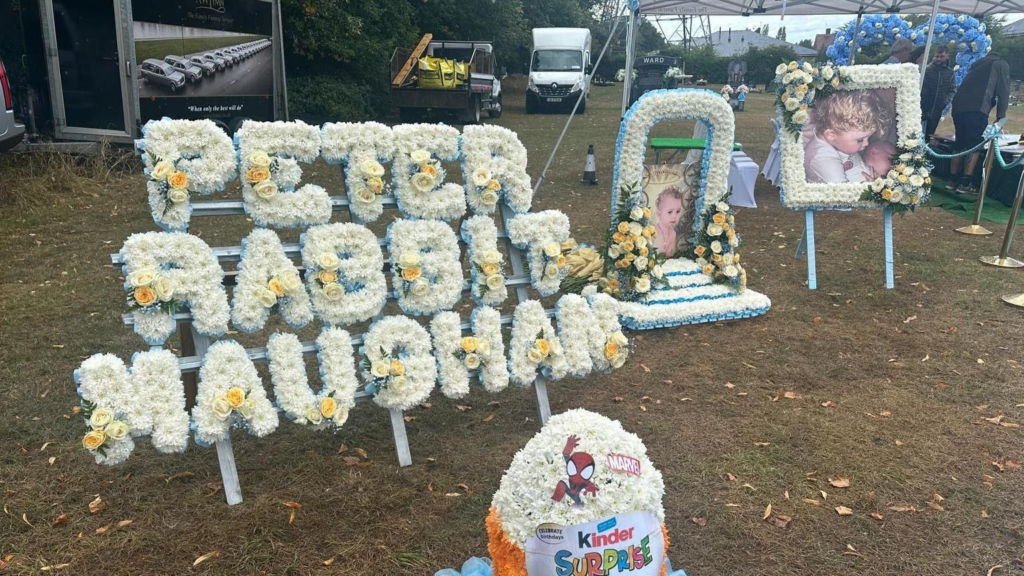
The sentencing phase will determine the length and severity of punishment for Owen and Patrick Maughan. Courts typically consider multiple factors in such cases, including the level of recklessness involved, prior admissions of guilt, attempts to flee or conceal involvement, and the scale of harm caused. The seriousness of the injuries, the death of a child, and the circumstances surrounding the pursuit are all expected to influence the final decision.
The case also highlights broader legal and social issues related to dangerous driving, alcohol consumption, and the escalation of conflict on public roads. Prosecutors described the pursuit as fuelled by anger and impulsive behaviour, emphasising how quickly a confrontation between drivers can turn fatal. The evidence of prolonged following, aggressive manoeuvres, and eventual collision illustrates the potential consequences of road rage combined with intoxication.
In legal terms, the proceedings demonstrate the careful distinctions courts must draw when evaluating criminal responsibility. The difference between murder and manslaughter is not simply a matter of outcome but of intent, state of mind, and the foreseeability of harm. Even when actions result in death, the law requires specific proof of intention before applying the most severe classification of homicide.
As the case moves toward sentencing, the court’s decision will mark the next stage in a process that has already established accountability for a tragic chain of events. The loss of a child, the permanent injuries suffered by another victim, and the collapse of multiple family relationships form the enduring human context behind the legal conclusions reached by the jury.