

In a tragic surge of infections, Louisiana is grappling with a public health crisis as six people have died and 34 others have been infected with Vibrio vulnificus, a flesh-eating bacterium linked to the consumption of contaminated oysters harvested in the state. This outbreak, reported in 2025, marks the highest annual toll of Vibrio vulnificus cases and fatalities in Louisiana in over a decade, raising alarms about the safety of raw seafood and exposure to coastal waters. The Louisiana Department of Health has described the situation as “just prolific right now,” highlighting the urgent need for public awareness and preventive measures.
The Outbreak: A Deadly Surge in Louisiana
The recent deaths of two individuals—one in Louisiana and another in Florida—have brought the state’s 2025 Vibrio vulnificus death toll to six, with a total of 34 infections reported. These fatalities were linked to the consumption of raw oysters harvested from Louisiana’s coastal waters, served at separate restaurants in the two states.
According to Jennifer Armentor, the molluscan shellfish program administrator at the Louisiana Department of Health, the outbreak has reached unprecedented levels, surpassing the state’s average of seven infections and one death per year over the past decade. As of July 31, 2025, the state had already reported four deaths and 17 hospitalizations, with an additional 14 illnesses confirmed since then, bringing the total to 34 infections, 22 of which required hospitalization.
The two most recent victims, one a Louisiana resident and the other an out-of-state visitor, contracted the infection after eating contaminated oysters. While officials have not confirmed the exact source of the infections, the oysters were traced back to Louisiana’s harvest areas.
Read : 6-Month-Old Gideon Peter Mwangi Dies of Bacterial Meningitis After Rescue from Mold-Ridden House
The state’s Oyster Task Force, which includes health officials and industry representatives, convened at the New Orleans Lakefront Airport to discuss the crisis, emphasizing the severity of the situation. The outbreak has not only affected Louisiana but also raised concerns in neighboring Florida, where 23 cases and five deaths have been reported this year, underscoring the regional impact of this bacterial threat.
Read : The Truth Behind the Viral Instagram Reel Claiming Electric Shock Treatment Will Cure Acne Overnight
The rise in cases is attributed to several factors, including warmer Gulf Coast waters, which provide ideal conditions for Vibrio vulnificus to thrive, particularly between May and October. Additionally, increased saltwater intrusion and higher numbers of people consuming raw oysters or swimming in coastal waters may be contributing to the spike. The Louisiana Department of Health has urged residents and visitors to take precautions, emphasizing that the bacteria cannot be detected by smell, taste, or appearance, making it a silent but deadly risk in raw seafood.
Understanding Vibrio vulnificus: The Flesh-Eating Bacterium
Vibrio vulnificus is a naturally occurring bacterium found in warm, brackish coastal waters, particularly in the Gulf of Mexico, where it thrives in the summer months. Unlike pathogens linked to pollution, this bacterium is a native inhabitant of marine environments, making eradication impossible.
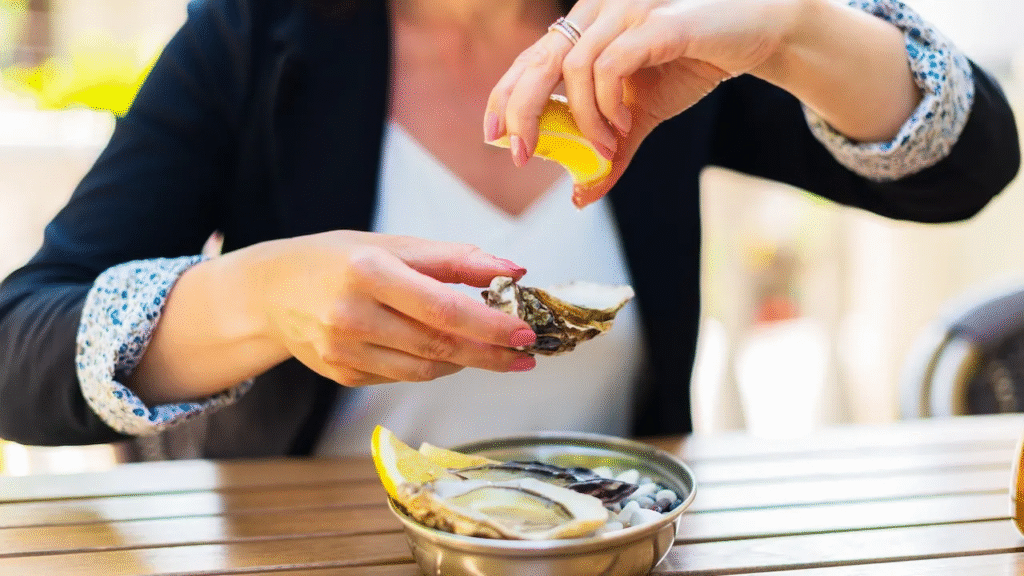
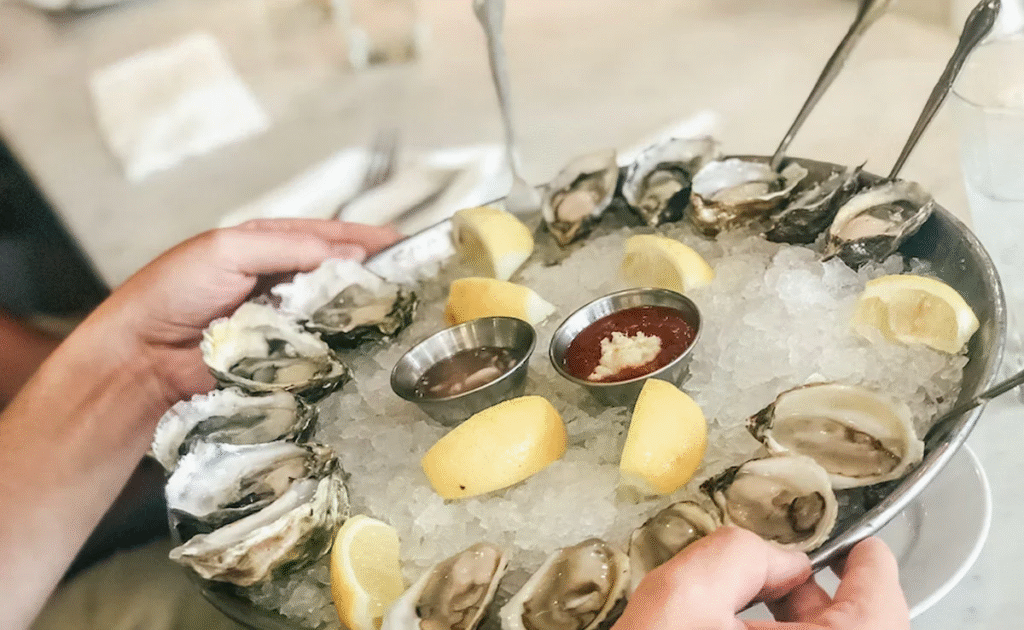
It can infect humans through two primary routes: consuming raw or undercooked shellfish, especially oysters, or through open wounds exposed to contaminated seawater. Oysters, as filter feeders, concentrate Vibrio vulnificus in their tissues, posing a significant risk when consumed raw. While infections through seafood consumption are less common than wound infections, they can be particularly deadly, as evidenced by the recent fatalities.
The bacterium earns its “flesh-eating” moniker due to its ability to cause necrotizing fasciitis, a severe infection that destroys skin and muscle tissue around an open wound. When ingested, Vibrio vulnificus can lead to gastrointestinal symptoms such as nausea, vomiting, and chills, but in severe cases, it enters the bloodstream, causing life-threatening conditions like septic shock and blistering skin lesions.
According to the Centers for Disease Control and Prevention (CDC), approximately one in five people with a Vibrio vulnificus infection dies, often within one to two days of symptom onset. Those with compromised immune systems, particularly individuals with chronic liver disease, are at higher risk of severe outcomes, including the need for intensive care or limb amputation.
Wound infections have become the dominant mode of transmission over the past 20 years, accounting for over 80% of the 22 hospitalizations in Louisiana this year. A notable case involved a 77-year-old Mississippi man who died after scraping his leg on a boat trailer, exposing the wound to contaminated seawater.
However, the recent oyster-related deaths highlight the ongoing danger of consuming raw shellfish, especially for vulnerable populations. The CDC emphasizes that while Vibrio vulnificus infections are rare, with an estimated 100 to 200 cases annually in the U.S., their severity and rapid progression make them a significant public health concern.
Response and Prevention: Addressing the Crisis
In response to the outbreak, Louisiana health officials have issued urgent advisories to prevent further infections. On July 31, 2025, the Louisiana Department of Health released a statement urging residents to avoid consuming raw or undercooked oysters and to take precautions when entering coastal waters with open wounds, cuts, or recent tattoos and piercings. Cooking shellfish thoroughly—by boiling or steaming—effectively eliminates the bacteria, making cooked seafood a safe alternative.
Restaurants are required by law to post warnings about the risks of raw oysters, and seafood businesses are adhering to strict harvesting and storage protocols to minimize contamination risks. Mitch Jurisich, chairman of the Louisiana Oyster Task Force and a Plaquemines Parish oyster farmer, has emphasized the importance of consumer awareness.
He noted that while oysters are a beloved delicacy, individuals with certain health conditions, such as liver disease or weakened immune systems, should avoid raw seafood altogether. Harvesting practices have also evolved to improve safety, with modern techniques like using limestone to grow cleaner oysters and mandatory tracking systems to trace the origin of oyster batches. For example, oyster sacks are tagged with tickets indicating the harvest location and date, which must be retained for 90 days to facilitate investigations if outbreaks occur.
The Louisiana Department of Health has implemented additional measures to curb the outbreak, including enhanced monitoring of harvest areas and stricter temperature controls during transport to prevent bacterial growth. However, the natural presence of Vibrio vulnificus in coastal waters, exacerbated by warming ocean temperatures due to climate change, poses an ongoing challenge.
Experts like Paul Gulig, a professor emeritus and microbiologist at the University of Florida, have noted that the bacteria’s spread is becoming more pronounced as Gulf waters warm, creating a more hospitable environment for Vibrio vulnificus. This trend is not limited to the Gulf Coast; cases have been reported as far north as Massachusetts, Connecticut, and New York, with an 800% increase in infections along the East Coast from 1988 to 2018, according to a 2023 study.
For individuals, prevention is key. The CDC and Louisiana health officials recommend avoiding raw oysters and ensuring proper cooking of shellfish. For those engaging in coastal activities, covering wounds with waterproof bandages and wearing protective clothing or gloves when handling raw seafood can reduce the risk of infection.
Restaurants and oyster farmers are also encouraged to maintain rigorous safety standards, including proper refrigeration and avoiding cross-contamination between raw and cooked seafood. These measures are critical to protecting public health, especially during the warmer months when Vibrio vulnificus is most prevalent.
The 2025 Vibrio vulnificus outbreak in Louisiana serves as a stark reminder of the hidden dangers lurking in raw seafood and coastal waters. With six deaths and 34 infections, the state is facing an unprecedented public health challenge that demands vigilance from both consumers and the seafood industry.
By understanding the risks of Vibrio vulnificus, adhering to safety guidelines, and supporting ongoing efforts to monitor and control the bacterium, we can work toward preventing further tragedies. As the Gulf Coast continues to grapple with this deadly pathogen, public awareness and proactive measures will be essential in safeguarding lives and preserving the region’s cherished seafood traditions.