
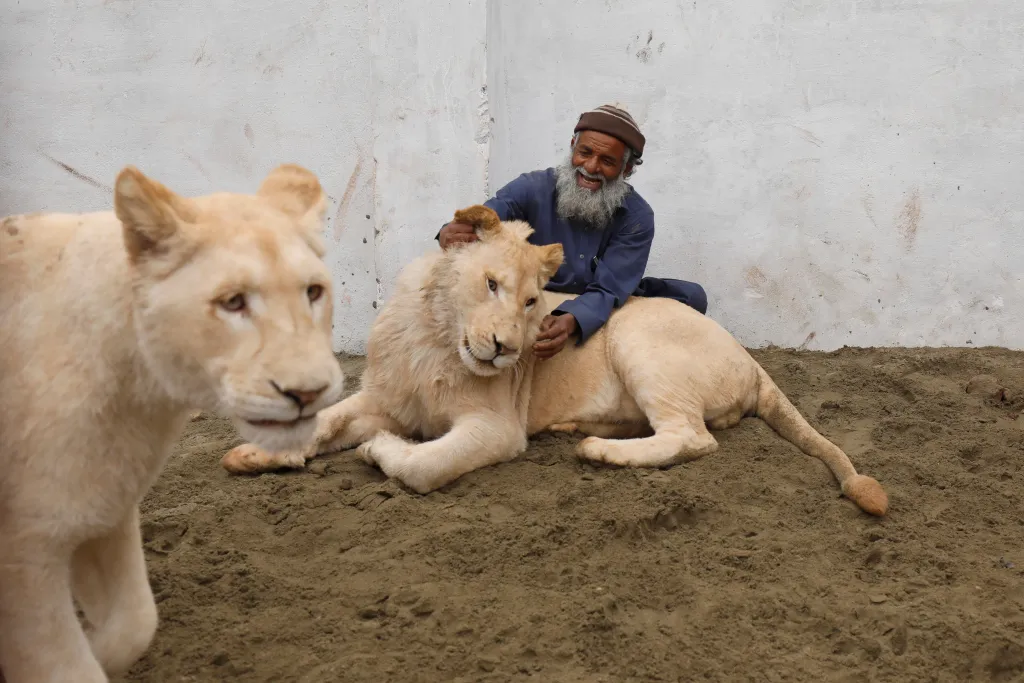
Pakistan grants permission to keep lions, tigers, and cheetahs at home, making it a significant moment in the country’s wildlife regulation history. This development follows the approval of an amendment to the Wildlife Act of 1974, allowing citizens to own and house these majestic creatures legally.
While this policy has sparked widespread attention, it comes with strict regulations to ensure the safety and well-being of both the animals and the community. The newly passed law also addresses concerns about illegal wildlife trade and sets the foundation for sustainable animal care.
The Framework of the New Wildlife Act
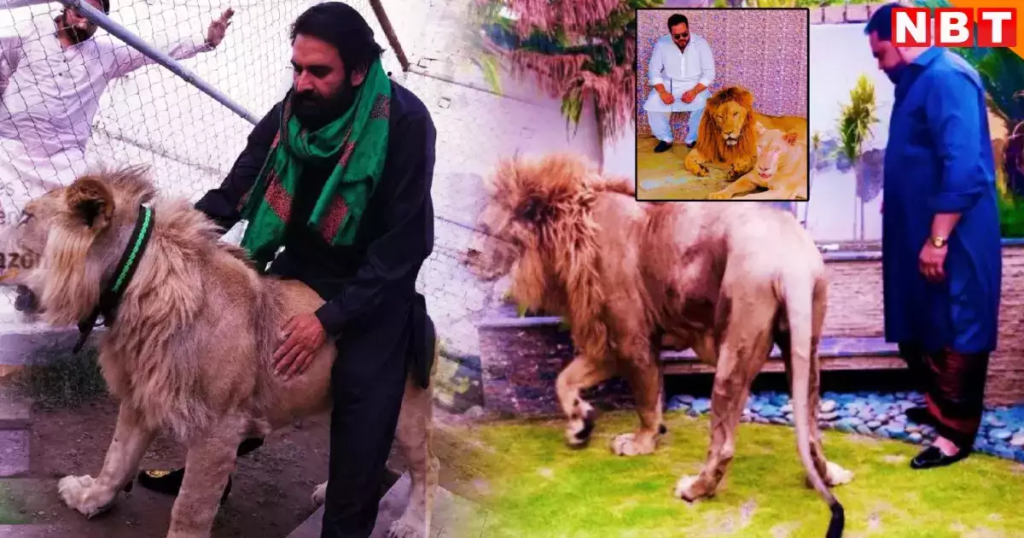
The updated Wildlife Act introduces clear guidelines for the private ownership of five big cat species: lions, tigers, cheetahs, pumas, and jaguars. By requiring individuals to pay a licensing fee of PKR 50,000 per animal, the government has sought to regulate this practice and generate funds for wildlife conservation efforts.
Under the law, big cats cannot be kept casually in urban homes. Instead, minimum care standards mandate that they must be housed outside city limits in proper enclosures.
This ensures that owners provide the space and environment necessary for these large predators. Failing to comply with these requirements can lead to serious legal repercussions, including First Information Reports (FIRs).
Read : Internet is Laughing at Pakistan’s First EO-1 Satellite Launch for Its Water Tank-Like Look
An important provision bans the use of these animals for social media content. Platforms like TikTok have previously seen users flaunting exotic animals, raising concerns about animal welfare. Senior Minister Marriyum Aurangzeb emphasized that violators of this rule would face strict legal action, discouraging the commodification of wildlife for online fame.
Transportation and Forest Protection Measures
In addition to regulating big cat ownership, the amended Punjab Forest Transit Rules 2024 introduce measures to safeguard Pakistan’s broader ecosystem. One key change is the establishment of checkpoints at various locations across the country to monitor the movement of forest animals and products.
The transportation of these resources is now prohibited between sunset and sunrise, a move designed to curb illegal activities under the cover of darkness.
Read : Black Panther Cub Seen Sitting with Its Leopard Mother in Rare Sighting at Pench Tiger Reserve
This step reflects a larger commitment to environmental protection and transparency. By regulating the timing and logistics of animal transport, the government aims to minimize stress on animals and prevent unauthorized trade.
The introduction of checkpoints also ensures that all activities comply with legal standards, reinforcing the accountability of those involved in the wildlife trade.
The ban on sawmills and coal kilns within a five-mile radius of forest boundaries marks another significant development. This measure protects forest habitats from industrial exploitation and reinforces the need to conserve natural resources.
To enforce these provisions, the outdated Forest Depot Rules of 2013 have been replaced, and a special squad will be formed to oversee compliance.
Implications and Public Response
The decision to legalize big cat ownership has elicited mixed reactions. On one hand, it provides an avenue for individuals to engage with wildlife under regulated conditions, potentially fostering greater appreciation for these animals.
On the other hand, concerns have been raised about the practicality and ethics of allowing private ownership of large predators. Critics argue that even with regulations, ensuring the proper care and welfare of these animals can be challenging for individual owners.
Animal rights organizations have pointed out that big cats require specialized diets, medical care, and vast territories to thrive. Without adequate oversight, the risk of neglect or improper treatment looms large.
Furthermore, relocating these animals outside urban areas may not address deeper issues related to their captivity and the potential risks they pose to nearby communities.
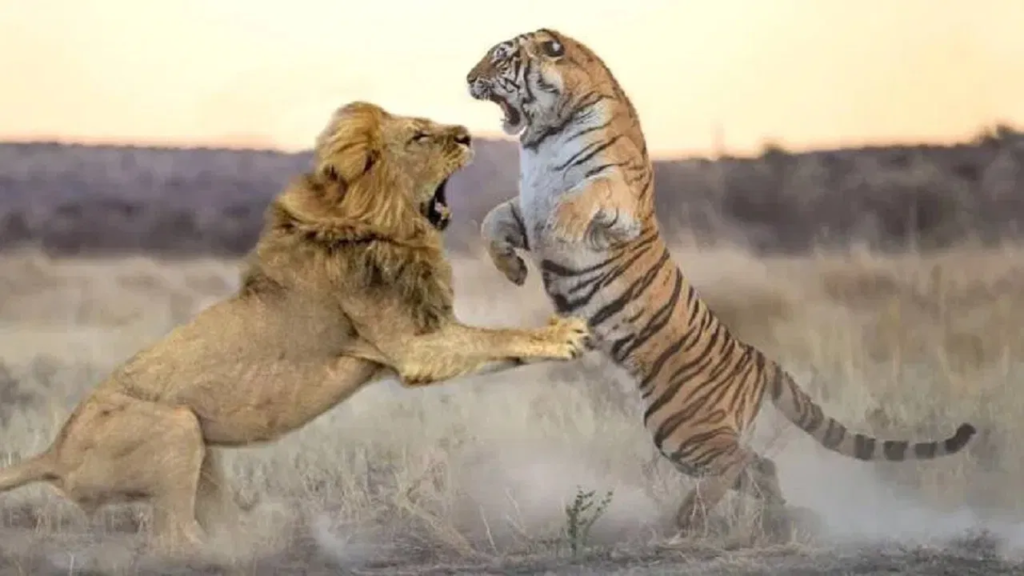
The ban on showcasing these animals on social media has been widely praised as a step toward curbing the glorification of exotic pet ownership. This aspect of the legislation aligns with global efforts to discourage practices that prioritize human entertainment over animal welfare.
By imposing penalties for such displays, the government has sent a clear message about its commitment to responsible wildlife management.
Balancing Wildlife Conservation and Ownership
The amended Wildlife Act and Forest Transit Rules demonstrate Pakistan’s attempt to strike a balance between conservation efforts and the regulation of private ownership. While the licensing fee and care standards signify progress, the success of these measures depends on their effective enforcement.
The establishment of checkpoints and specialized squads is a positive move toward preventing illegal trade and protecting the country’s forests. However, the government must also invest in public awareness campaigns to educate citizens about the complexities of wildlife ownership and the importance of conservation.
Collaborations with international wildlife organizations could further strengthen Pakistan’s efforts. By learning from global best practices, the country can develop robust mechanisms for monitoring and safeguarding its biodiversity. This includes ensuring that big cats kept in captivity have access to veterinary care, proper nutrition, and environments that replicate their natural habitats as closely as possible.
In conclusion, Pakistan’s decision to legalize big cat ownership marks a significant policy shift with wide-ranging implications. While it opens up opportunities for regulated interaction with wildlife, it also underscores the need for vigilant enforcement and public education to ensure that these majestic creatures are treated with the respect and care they deserve.