
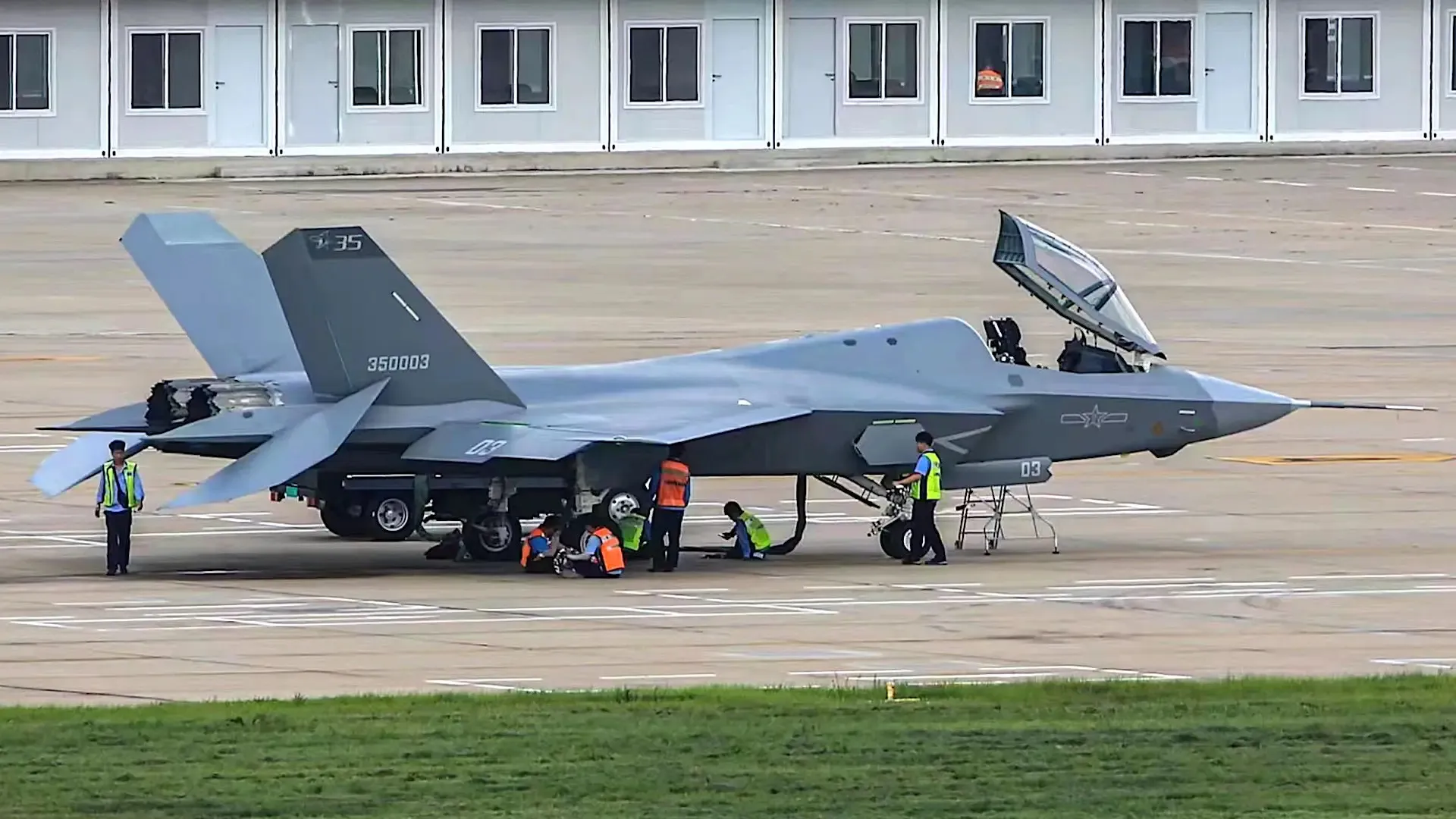
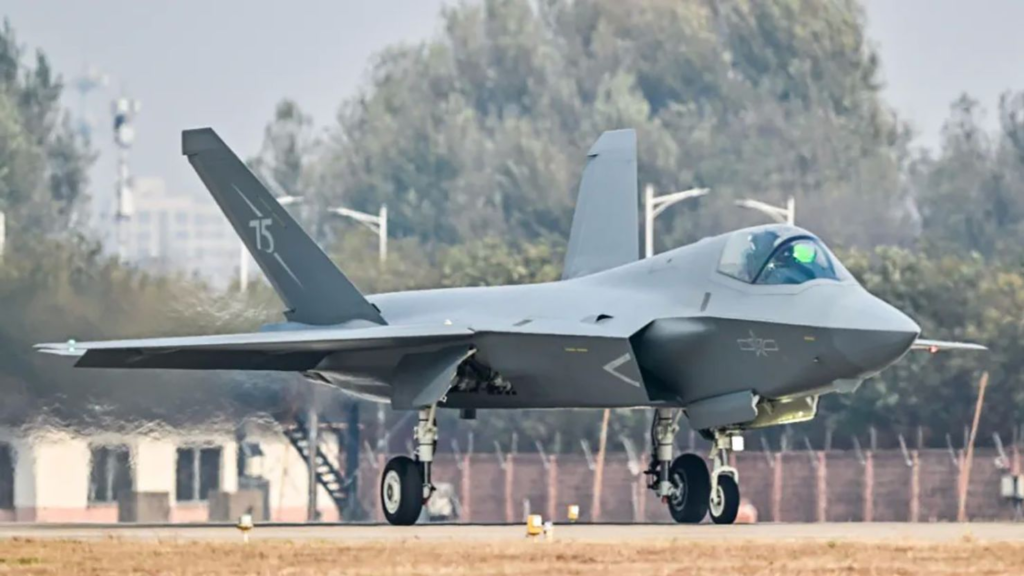
The strategic alliance between Pakistan and China continues to deepen, as recent reports reveal Pakistan’s plans to procure 40 units of China’s advanced stealth fighter jet, the J-35.
If realized, this deal would mark a significant milestone in global military aviation, as it would be the first export of China’s fifth-generation fighter jets. The development is poised to alter the strategic dynamics of South Asia, especially in the context of Pakistan’s military equation with its regional rival, India.
The Strategic Implications of Acquiring the J-35
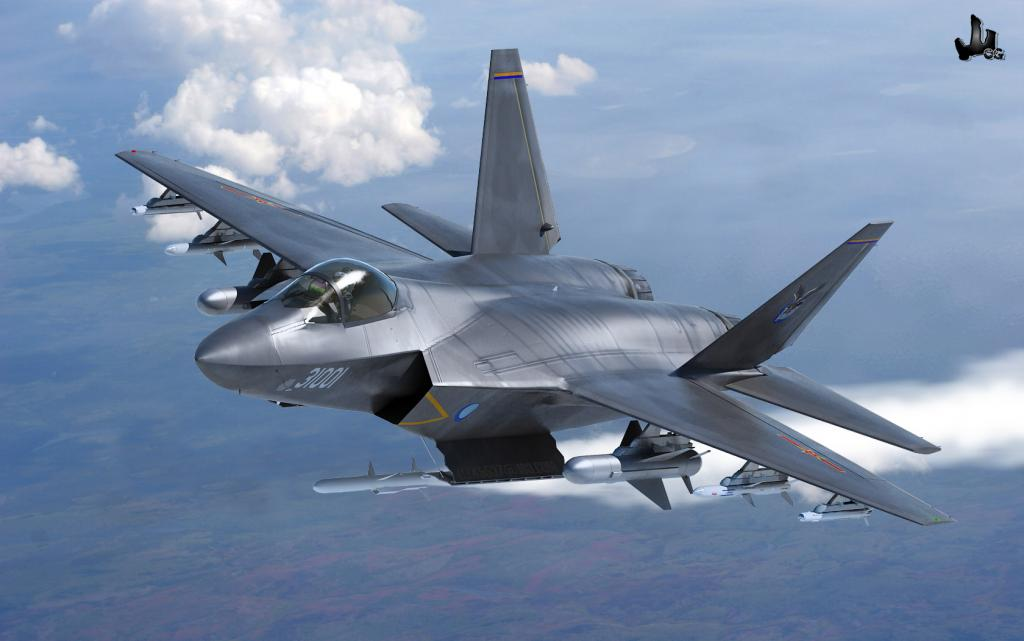
The J-35, known previously as the J-31 in its land-based version, represents China’s latest leap in stealth technology. Designed for multi-role capabilities and equipped with advanced radar-evading features, the jet is primarily built for deployment on Chinese aircraft carriers.
However, its land-based variant has drawn significant interest from Pakistan, which seeks to replace its ageing fleet of American F-16s and French Mirage aircraft.
For Pakistan, the acquisition of the J-35 is not merely a military upgrade but a strategic recalibration. With these fifth-generation fighters, Pakistan aims to modernize its air force and maintain a technological edge in its defense apparatus.
Read : Pakistan’s Ballistic Missile Program Emerging Threat to US – WH Official
The new jets would offer superior capabilities in aerial combat, surveillance, and precision strikes, providing Pakistan with a robust deterrent against potential threats.
Read : Abandoned Boeing 737 Transformed Into Luxurious Villa on a Cliffside in Bali
The timing of this deal is also notable. Pakistan is facing severe economic challenges, raising questions about the financial feasibility of acquiring such advanced equipment. Despite this, the Pakistan Air Force (PAF) appears resolute in its pursuit of the J-35, indicating the priority given to national security and regional power dynamics.
The Deepening Military Cooperation Between Pakistan and China
The reported deal underscores the longstanding and growing military partnership between Pakistan and China. As “all-weather allies,” the two nations have a history of defense collaboration that spans decades.
China has been instrumental in modernizing Pakistan’s military, providing advanced equipment and co-developing key assets such as the JF-17 Thunder fighter jet, which serves as the backbone of the PAF.
In recent years, Beijing has supplied Pakistan with a range of military hardware, including advanced naval frigates and missile systems. These efforts align with China’s broader strategic interests in South Asia, particularly in counterbalancing India’s growing military capabilities and fostering regional allies as part of its Belt and Road Initiative (BRI).
The potential J-35 acquisition is consistent with this trend. If the deal goes through, it will cement China’s role as Pakistan’s primary defense supplier and bolster their shared strategic objectives.
Notably, the reported visit of Chinese General Zhang Youxia to Pakistan and his meeting with Pakistan’s Army Chief General Asim Munir reflect the high-level engagement driving this defense cooperation.
This partnership, however, extends beyond mere transactions. The China-Pakistan Economic Corridor (CPEC), a flagship project of the BRI, has faced significant security challenges in Pakistan.

To address these threats, Pakistan has deployed tens of thousands of military personnel to protect Chinese workers. At the same time, Beijing is reportedly pressuring Islamabad to allow Chinese security firms to operate in the country, highlighting the complexity of their bilateral ties.
Challenges and Regional Implications
While the acquisition of the J-35 represents a significant step forward for Pakistan’s military capabilities, it also comes with challenges and implications.
Firstly, the financial strain of such a purchase is evident. Pakistan is grappling with a severe economic crisis marked by inflation, dwindling foreign reserves, and fiscal deficits.
Procuring advanced stealth fighters under these conditions raises questions about resource allocation and long-term sustainability. The economic challenges may also complicate the payment terms of the deal, potentially requiring innovative financing arrangements.
Secondly, the introduction of J-35 jets into the region is likely to heighten tensions with India. As Pakistan’s long-standing rival, India has consistently sought to modernize its own military capabilities, including investments in Rafale jets and indigenous defense technology.
The deployment of J-35 jets could trigger a renewed arms race, further straining relations between the two nuclear-armed neighbors.
Finally, the operational integration of the J-35 into the PAF poses technical and logistical challenges. The stealth jet’s advanced systems will require specialized training for pilots and ground personnel, as well as infrastructure upgrades for maintenance and operations.
These demands could stretch Pakistan’s defense resources, particularly in light of its existing commitments to other military modernization programs.
Despite these challenges, the deal, if confirmed, would mark a turning point in regional military dynamics. For China, the export of the J-35 would signal its emergence as a global leader in advanced military aviation, potentially opening new markets for its defense technology.
For Pakistan, the acquisition underscores its determination to enhance its defense capabilities and maintain strategic parity in the region.