
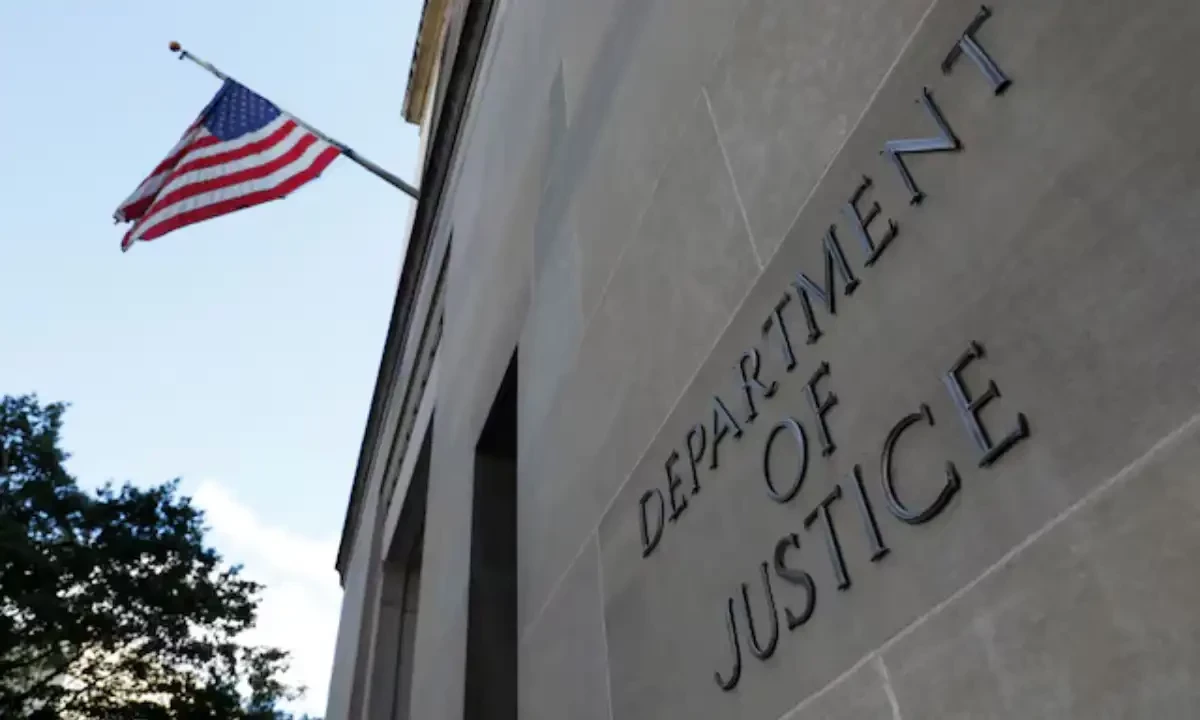
Mohammad Jawaid Aziz, a 67-year-old Pakistani-Canadian national, has been arrested in the Western District of Washington for allegedly orchestrating a years-long scheme to smuggle American technology to entities linked with Pakistan’s military and weapons programs.
The arrest took place on March 21, 2024, when Aziz attempted to cross into the United States from Canada. He is currently detained, pending transfer to the District of Minnesota, where he faces serious charges related to violations of US export control laws.
The Charges and Legal Consequences
Mohammad Jawaid Aziz has been charged with conspiracy to violate the International Emergency Economic Powers Act (IEEPA) and the Export Control Reform Act. If convicted, he faces a maximum penalty of five years in prison for the conspiracy charge and up to 20 years for violating the Export Control Reform Act.
These laws are designed to prevent sensitive US technology from falling into the hands of unauthorized foreign entities, particularly those involved in military and weapons development programs.
According to the indictment, Aziz’s activities spanned from 2003 to approximately March 2019. During this time, he allegedly operated an illicit procurement network through his company, Diversified Technology Services, based in Canada.
The network’s purpose was to acquire US-origin goods for restricted entities in Pakistan. These entities were associated with the country’s nuclear, missile, and Unmanned Aerial Vehicle (UAV) programs.
Read : Pakistan President Asif Ali Zardari Tests Positive For Covid-19
US authorities have long been vigilant about enforcing export control regulations, especially concerning sensitive technologies that could be used in military applications.
The charges against Aziz reflect the severity with which the US government treats such violations. If found guilty, his conviction could serve as a warning to other individuals and organizations attempting to bypass US export restrictions.
The Smuggling Network and Its Operations
Aziz allegedly procured sensitive and restricted items through Diversified Technology Services, a company that acted as a front to conceal the true nature of the transactions.
These items were subject to the Export Administration Regulations (EAR) and were listed on the Commerce Control List due to their potential military applications. The goods were obtained from US companies under false pretenses, with their ultimate destination being prohibited entities in Pakistan.

The US Department of Justice revealed that Aziz and his co-conspirators used various deceptive tactics to evade detection. They often employed front companies and transshipped goods through third countries to mask the actual recipients.
This method allowed them to bypass US export controls and acquire technology that Pakistan’s military and defense organizations were otherwise restricted from obtaining.
Authorities suspect that such illicit networks play a significant role in advancing Pakistan’s weapons programs by securing critical technology from foreign sources. The ability to acquire US-origin goods through deceptive means poses a direct threat to global security and raises concerns about the enforcement of international export control laws.
The investigation into Aziz’s network may uncover further details about similar operations and the extent of Pakistan’s reliance on illicit procurement methods.
Implications and International Concerns
The arrest of Mohammad Jawaid Aziz highlights broader concerns regarding the proliferation of sensitive technologies and the enforcement of export control laws. The US government’s crackdown on unauthorized transfers of military-related technology is a crucial part of maintaining global security and preventing the misuse of advanced technology for military purposes.
Pakistan’s history of nuclear development and missile programs has been a contentious issue on the international stage. The country has faced scrutiny over its efforts to acquire sensitive technology from foreign sources, often leading to increased restrictions and monitoring by international agencies.

The allegations against Aziz further underscore the challenges that regulatory authorities face in curbing the unauthorized transfer of technology. The use of front companies and third-party transshipment is a common tactic among illicit procurement networks.
These methods make it difficult for enforcement agencies to trace the origin and destination of restricted goods. However, advancements in surveillance and investigative techniques have led to more frequent crackdowns on such activities.
Aziz’s arrest may have diplomatic implications as well, particularly in US-Pakistan relations. While the two countries have cooperated on various fronts, concerns over military procurement and nuclear proliferation have occasionally strained their relationship. The case could lead to further scrutiny of Pakistan’s procurement practices and potentially impact trade relations between the two nations.
As the legal proceedings against Aziz unfold, the US government is likely to reinforce its commitment to preventing unauthorized exports of sensitive technology. The case serves as a stark reminder that violations of export control laws carry severe consequences, and those involved in such activities will be held accountable under the law.
The international community will be watching closely to see how this case develops and what measures are taken to prevent similar incidents in the future.