
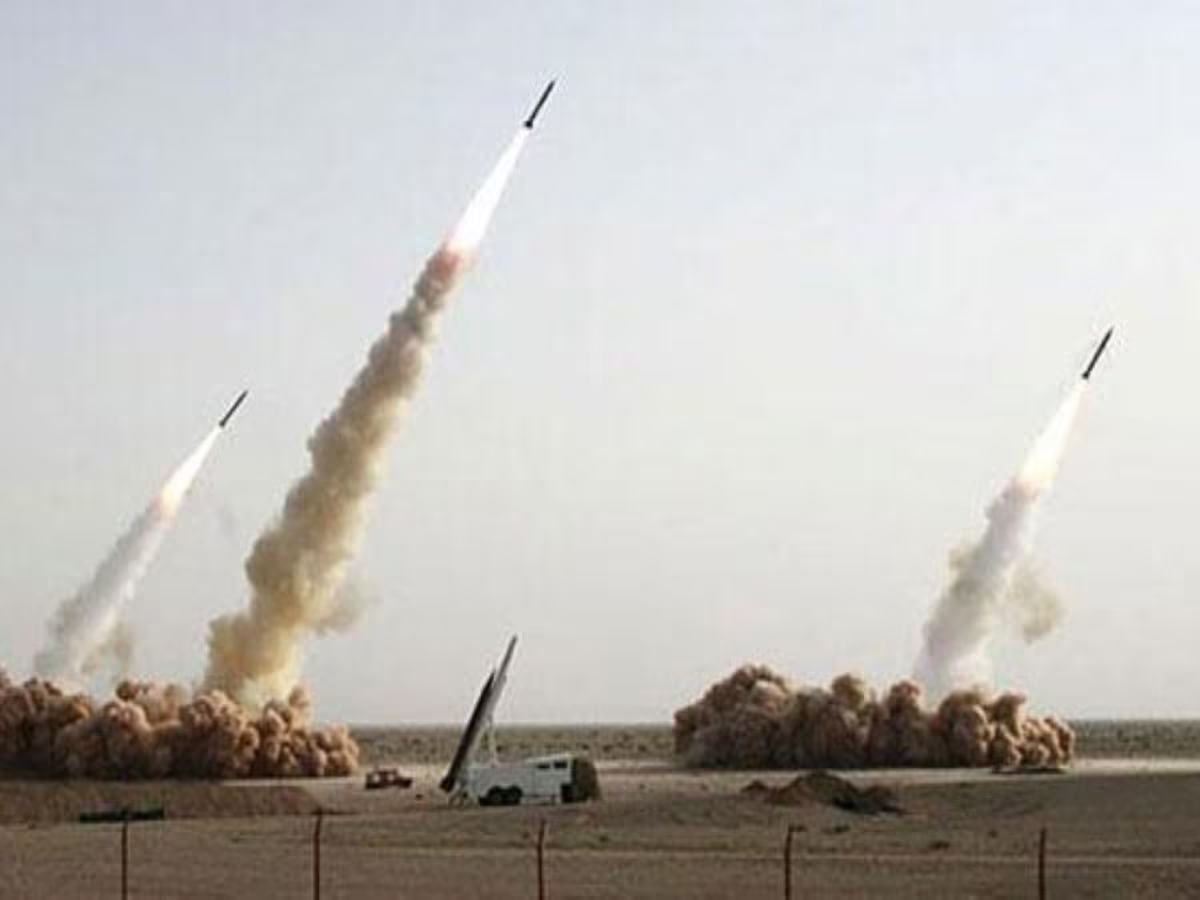
The evolving dynamics of Pakistan’s ballistic missile program have become a subject of significant concern for the United States.
Recent statements by US Deputy National Security Advisor Jon Finer underscore the potential implications of this development, highlighting a shift in strategic focus that extends far beyond South Asia. As tensions rise and alliances shift, this emerging narrative warrants closer examination.
Historical Context and Strategic Shifts
The trajectory of US-Pakistan relations has been complex, marked by periods of cooperation and contention. Pakistan’s ballistic missile program has historically been framed as a response to perceived threats from India.
Rooted in maintaining regional stability, the program’s primary focus was on deterring Indian aggression. However, recent advancements in missile technology suggest a pivot in Pakistan’s strategic ambitions.
Jon Finer’s remarks at the Carnegie Endowment for International Peace point to the sophistication of Pakistan’s ballistic missile program technology, including long-range ballistic missile systems capable of striking targets well beyond South Asia.
Read : Pakistan Puts 4,300 Beggars on No-Fly List After Threat from Middle Eastern Countries
This development signals a potential shift from a purely regional defense posture to a broader strategic capability. The implications of such advancements, particularly their reach to the US mainland, represent a new dimension of concern for Washington.
Evolving US Concerns and Deteriorating Relations
Relations between the US and Pakistan have experienced strain in recent years, particularly after the US troop withdrawal from Afghanistan in 2021. This event marked a significant turning point, with both nations reassessing their strategic priorities.
While Washington had relied on Islamabad as a key ally during the fight against al-Qaeda post-9/11, the dynamics shifted as Pakistan’s support for the Taliban and its growing ties with China came under scrutiny.
Finer’s statements emphasize long-standing US concerns about Pakistan’s ballistic missile program, particularly its pursuit of larger rocket motors and advanced testing capabilities.
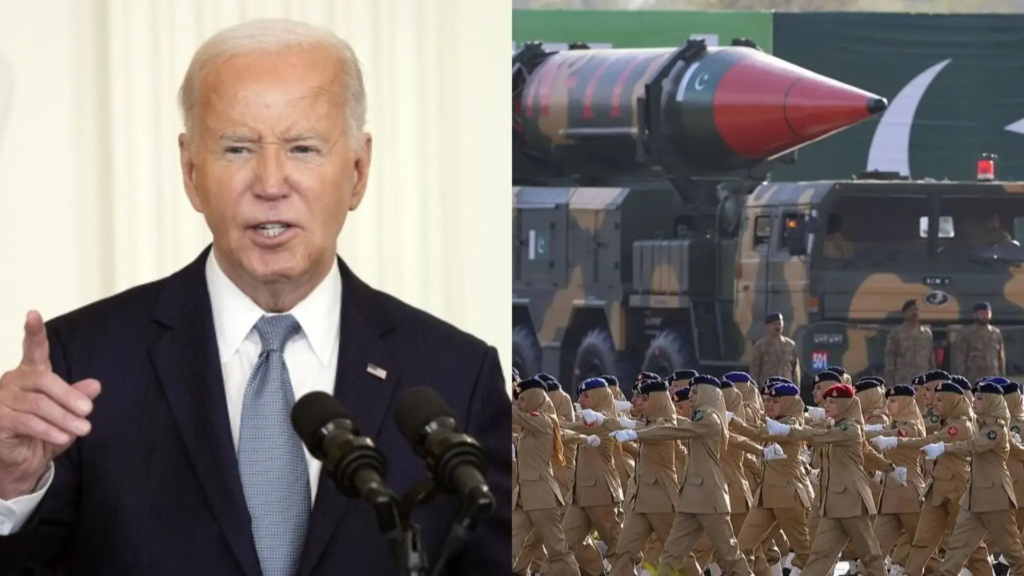
The assertion that Pakistan’s ballistic missile program could pose a direct threat to the US reflects a growing unease within American strategic circles. By sanctioning Pakistan’s state-run defense agency involved in missile development, the US has sent a clear message regarding its stance on this emerging threat.
The deteriorating ties between the two nations are further exacerbated by Pakistan’s critical view of US relations with India. Washington’s pivot towards New Delhi, seen in stronger economic and defense partnerships, has fueled tensions with Islamabad.
Additionally, US sanctions on Chinese firms supplying components to Pakistan’s ballistic missile program highlight the broader geopolitical implications of this development, as it intersects with US-China rivalries.
Implications for Regional and Global Security
The advancements in Pakistan’s ballistic missile program carry significant implications for both regional and global security. While the US perceives these developments as a potential threat to its own security, the ripple effects on South Asia’s stability cannot be overlooked. A more sophisticated missile arsenal in Pakistan could trigger an arms race with India, destabilizing an already volatile region.
Pakistan’s close relations with China also add a layer of complexity. Beijing’s support, whether through direct collaboration or indirect facilitation, underscores the interconnected nature of global security concerns.
US sanctions on Chinese entities involved in Pakistan’s missile program reflect an attempt to counter this dynamic, but they also risk further straining relations with both nations.
Despite these tensions, it is worth noting that the threat posed by Pakistan’s missile program to the US remains a long-term concern, as acknowledged by senior US officials.
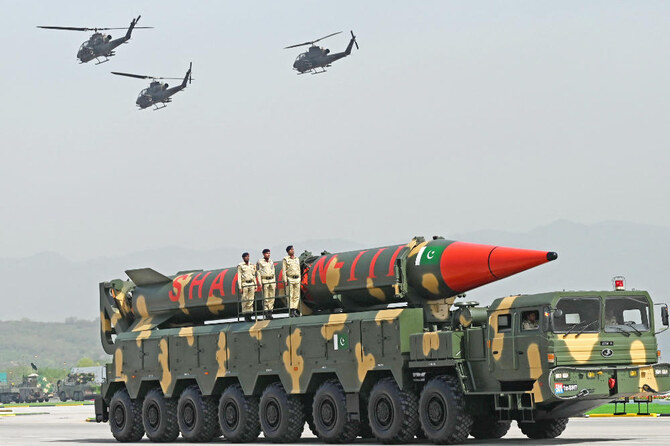
This timeline, estimated to be about a decade away, provides an opportunity for dialogue and mitigation. However, the lack of response from Pakistani officials to US concerns, as highlighted by Finer, underscores the challenges of achieving meaningful progress.
Pakistan’s ballistic missile program represents a significant shift in its strategic orientation, with implications that extend beyond South Asia. The US, while acknowledging the long-standing partnership with Pakistan, views these developments as an emerging threat.
The interplay of regional rivalries, global alliances, and technological advancements creates a complex security landscape that demands careful navigation.
The path forward will require a combination of diplomatic engagement, strategic recalibration, and efforts to address the underlying drivers of this development.
As the US grapples with the implications of Pakistan’s evolving missile capabilities, the need for a comprehensive approach to regional and global security becomes ever more urgent.