
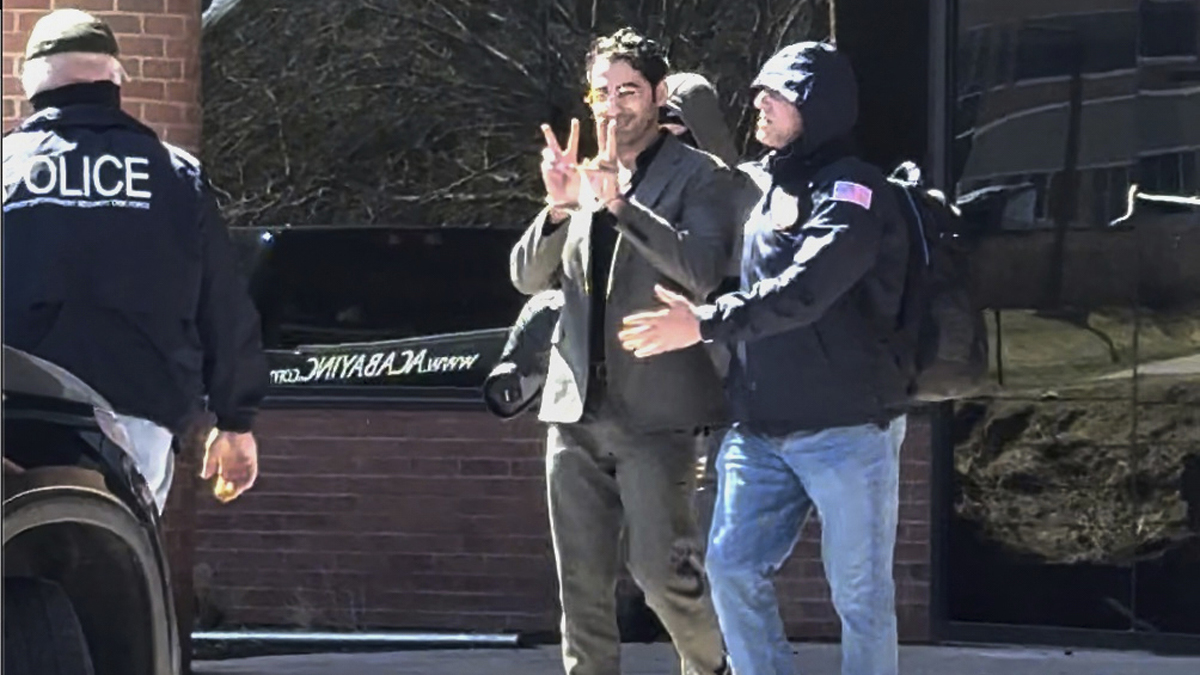
On April 14, 2025, Mohsen Mahdawi, a Palestinian-born senior at Columbia University, was detained by U.S. Immigration and Customs Enforcement (ICE) during what he believed was a routine citizenship interview in Colchester, Vermont.
The incident, widely reported by outlets like CNN, BBC, and The New York Times, has sparked outrage among lawmakers, activists, and legal experts who argue it reflects a broader crackdown on pro-Palestinian voices in the United States.
Mohsen Mahdawi, a green card holder since 2015 who has lived in the U.S. for a decade, now faces potential deportation to the occupied West Bank, raising questions about free speech, due process, and the politicization of immigration policy. This news blog examines the circumstances of Mahdawi’s detention, the legal and political context, and the broader implications for student activism in America.
A Shocking Arrest: From Citizenship Hope to Handcuffs
Mohsen Mahdawi arrived at the U.S. Citizenship and Immigration Services (USCIS) office in Colchester, Vermont, expecting to complete the final step toward becoming a U.S. citizen. Instead, he was met by ICE agents who detained him without immediate explanation, as captured in a video shared online showing him being escorted in handcuffs to an unmarked vehicle.
According to his attorney, Luna Droubi, Mohsen Mahdawi was targeted “in direct retaliation for his advocacy on behalf of Palestinians and because of his identity as a Palestinian.” The philosophy major, set to graduate in May 2025 and enrolled in a master’s program at Columbia, had no criminal charges against him at the time of his arrest.
Mohsen Mahdawi’s background adds depth to the story. Born and raised in a refugee camp in the West Bank, he moved to the U.S. in 2014 and has since built a life as a student and community member in Vermont.
His legal team quickly filed a habeas corpus petition, arguing that his detention violated his First Amendment rights and due process. U.S. District Judge William Sessions issued a temporary restraining order the same day, preventing authorities from moving Mohsen Mahdawi out of Vermont or deporting him while his case is pending.
The lack of transparency about his initial whereabouts fueled panic among his family and supporters, with Vermont Senator Becca White, who accompanied him to the interview, describing the scene as “immoral, inhumane, and illegal.”
Read : 14-Year-Old Palestinian-American Citizen Amer Mohamad Saada Rabee Killed in the West Bank
The detention was not an isolated event for Mohsen Mahdawi. He had expressed fears about his immigration status prior to the interview, reportedly reaching out to lawmakers for support after his friend and fellow Columbia activist Mahmoud Khalil was detained in March.
Rabid antisemite and 16-year Columbia student Mohsen Mahdawi has been taken into custody by ICE.
— StopAntisemitism (@StopAntisemites) April 14, 2025
StopAntisemitism exposed his dangerous antisemitic and anti-American rhetoric in 2024.
Justifying, glorifying, and promoting terrorism while a guest in America is no longer… pic.twitter.com/DGyeuCfXAH
The sudden rescheduling of his citizenship interview from December to April had raised suspicions, which were confirmed when ICE agents intervened. For Mahdawi, who has called deportation to the West Bank a “death sentence” due to ongoing violence, the stakes could not be higher.
The Context: A Crackdown on Pro-Palestinian Activism
Mohsen Mahdawi’s detention comes amid what critics describe as a targeted campaign against pro-Palestinian student activists under the current U.S. administration. As a co-founder of Columbia’s Palestinian Student Union and a vocal critic of Israel’s military actions in Gaza, Mahdawi was a prominent figure in campus protests in 2023 and early 2024.
He stepped back from organizing in March 2024 to focus on dialogue with Jewish and Israeli students, emphasizing his Buddhist principles of non-violence and empathy. Despite this, his activism drew scrutiny from pro-Israel groups like Betar USA and Canary Mission, which have publicly called for his deportation, accusing him of antisemitism—a charge he and his supporters vehemently deny.
The broader political climate provides critical context. Reports indicate that over 1,000 student visas have been revoked since 2024, with authorities citing a provision of the Immigration and Nationality Act that allows the cancellation of residency for those deemed a threat to U.S. foreign policy. U.S. Secretary of State Marco Rubio has linked such measures to efforts to curb antisemitism on campuses, a justification critics argue is being misused to silence dissent.
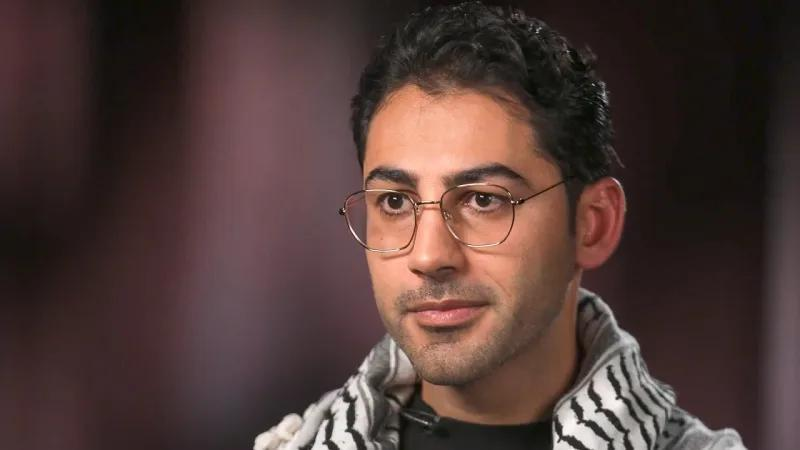
Mohsen Mahdawi is the second Palestinian Columbia student targeted in this manner, following Khalil, who faces deportation after a Louisiana judge’s ruling. Other students, like Rumeysa Ozturk at Tufts, have also been detained, suggesting a pattern of enforcement aimed at international and immigrant activists.
Vermont’s congressional delegation, including Senators Bernie Sanders and Peter Welch and Representative Becca Balint, issued a joint statement condemning Mahdawi’s arrest as a violation of due process. Legal experts, such as Claire Finkelstein from the University of Pennsylvania, have warned that these detentions risk undermining constitutional protections, particularly free speech.
The involvement of right-wing groups in flagging activists for deportation further complicates the narrative, raising concerns about external influence on immigration decisions. For Mohsen Mahdawi, who once told CBS’s 60 Minutes that he condemned antisemitic remarks at protests, the accusation of bigotry feels like a distortion of his advocacy for Palestinian rights.
Implications: Free Speech, Immigration, and the Future of Activism
The detention of Mohsen Mahdawi has ignited a firestorm of debate about the intersection of immigration policy and political expression in the U.S. For students, particularly those from marginalized backgrounds, the incident sends a chilling message: activism can come at the cost of their future in the country.
At Columbia, where Mahdawi co-founded initiatives like the Palestinian Student Society and Columbia University Apartheid Divest, his arrest has galvanized peers who see it as an attack on their right to protest. The Palestinian Youth Movement stated on social media that his targeting is part of a broader effort to “abduct and detain students” opposing policies in Gaza, calling for his immediate release.
Legally, Mahdawi’s case tests the boundaries of First Amendment protections for non-citizens. His attorneys argue that the government’s use of vague “foreign policy” provisions to justify detention sets a dangerous precedent, potentially allowing authorities to expel anyone whose views conflict with official narratives.
The temporary restraining order offers temporary relief, but Mahdawi’s future remains uncertain, as do the prospects for others caught in similar circumstances. The fact that he was detained during a citizenship interview—a moment meant to symbolize integration—underscores the betrayal felt by many in his community.
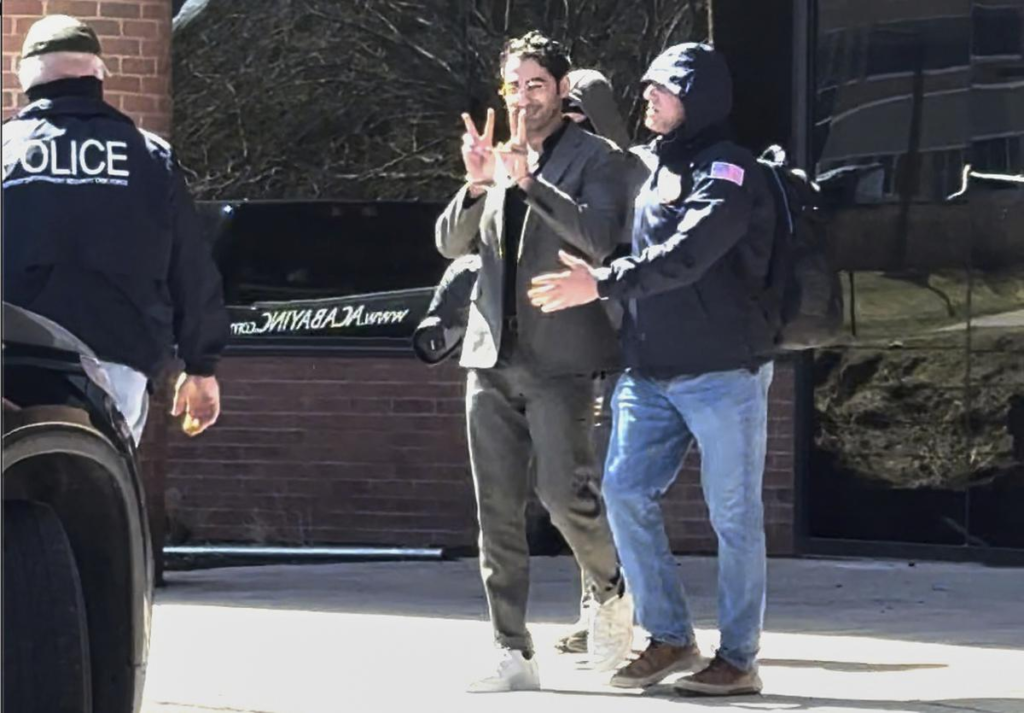
On a societal level, the incident highlights tensions in America’s approach to immigration and dissent. While the U.S. prides itself on free expression, cases like Mohsen Mahdawi’s suggest that certain voices face disproportionate consequences. His story also resonates with Vermont’s Upper Valley community, where he is described as a beloved figure involved in local life.
Senator White’s emotional recounting of his arrest—“If he can be taken, anyone can be taken”—captures a growing unease about the erosion of protections for residents, regardless of status. As universities like Columbia navigate their role in fostering debate, they face pressure to protect students from external retaliation, a challenge made harder by the polarized climate surrounding the Israel-Palestine conflict.
Mohsen Mahdawi’s detention is a stark reminder of the risks faced by immigrant activists in an era of heightened political scrutiny. His journey from a West Bank refugee camp to a Columbia classroom was meant to culminate in citizenship, not custody.
As his legal battle unfolds, it will serve as a litmus test for how far the U.S. is willing to go in balancing national security, free speech, and fairness. For now, Mahdawi remains in Vermont, his fate tied to a broader struggle over who gets to speak—and who gets to stay—in America.