
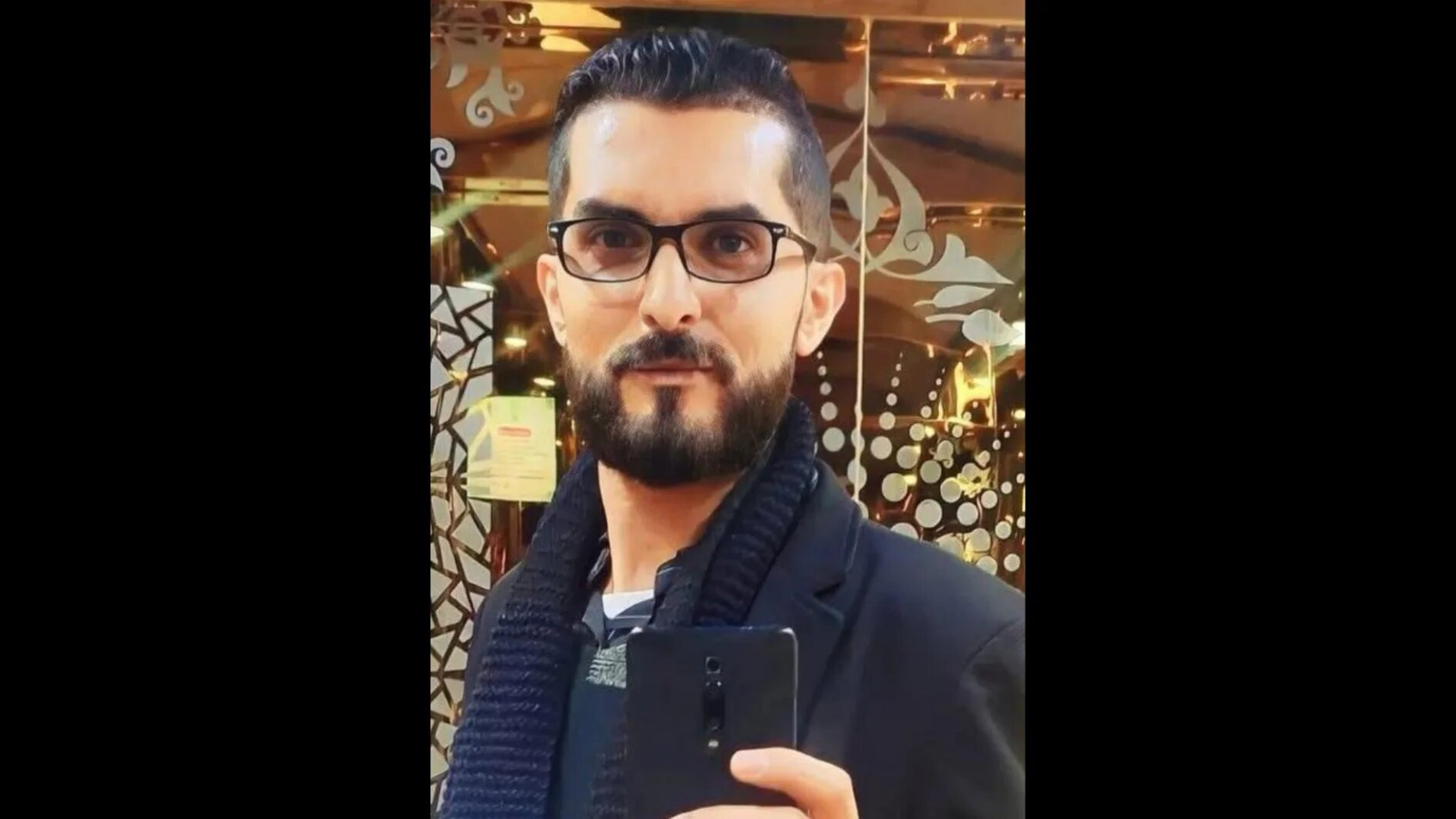
Ahmed Mansour, a journalist for Palestine Today and a father of two young children, has died after succumbing to horrific burns sustained in an Israeli airstrike that hit a tent sheltering members of the press in Khan Younis, Gaza.
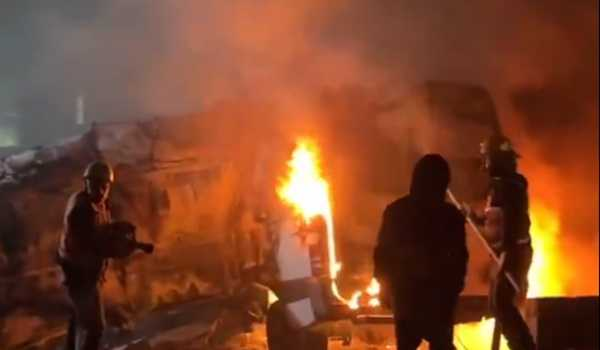
The moment of his agony was captured in a harrowing video that has since gone viral—Ahmed was seen running in flames, as his fellow journalists tried desperately to save him using their bare hands and whatever they could find. The image has shaken social media and media communities across the globe, as it highlights the extreme peril Palestinian journalists continue to face.
This tragic incident underscores a pattern that many journalists and human rights organizations have repeatedly flagged: that the war in Gaza has become one of the deadliest conflicts in modern history for journalists.
With no formal protections or clear safe zones, those reporting from the ground remain highly vulnerable. The tent Mansour was in was widely known among local and international press to be a space designated for journalists—yet, no warning was issued before the strike, according to survivors and witnesses.
As condolences pour in, the circumstances surrounding Ahmed Mansour’s death raise haunting questions about intentionality, accountability, and the value of truth in a war where silence seems safer than speech.
A Tent Marked by Truth: The Strike That Killed Ahmed Mansour
The strike occurred around 3 a.m., when most people in the camp were asleep or preparing to rest after another grueling day of covering the ongoing war. Witnesses described the explosion as sudden and ferocious.
According to journalist Abed Shaat, who survived the attack, there was no warning before the missile hit. The tent, composed of sponge, nylon, and wood, ignited instantly. The fire spread with such rapidity that there was little time for anyone inside to react, let alone escape.
Middle East Eye correspondent Ahmed Aziz, who was present at the scene, confirmed that the tent was clearly identified as a media space and that the people inside were all journalists or media staff. “We tried desperately to rescue Ahmed Mansour from the flames,” Aziz recounted, “but we had no resources. The fire was everywhere, and we were powerless.”
Read : Palestinian Student Protester Arrested by US Immigration Agents at Columbia University
Mansour was not the only casualty. The attack also claimed the lives of journalist Hilmi al-Faqawi and civilian Yousef al-Khazindar. Several other journalists were seriously injured, some in critical condition.
1/2
— Writes For Palestine (@_past_memories) April 7, 2025
Ahmed Mansour, a father and a journalist for Palestine Today, was burned alive when an Israeli missile struck his tent near Gaza's Nasser Hospital in Khan Younis#WeAreHereForPalestine#SahabatPalestina_ID#GazaGenocide#FreePalestine#ForeverPalestine pic.twitter.com/aXJFmvIKUi
Among the wounded were Hassan Islayeh, Ahmed al-Agha, Mohammed Fayeq, Abdullah al-Attar, Ihab al-Bardini, Mahmoud Awad, Majed Qudaih, and Ali Islayh. The list continues to grow longer by the day, as Gaza becomes more dangerous for those simply trying to document its reality.
Targeted Silence: Journalism Under Siege in Gaza
Ahmed Mansour’s death is not an isolated incident. Since the war in Gaza began in October 2023, at least 211 Palestinian journalists have been killed, according to the Government Media Office in Gaza. The Watson Institute for International and Public Affairs recently released a report that labeled Israel’s war on Gaza the “worst ever conflict” for journalists.
Titled News Graveyards: How Dangers to War Reporters Endanger the World, the report concludes that more journalists have been killed in this war than in nearly every major armed conflict of the last century combined.
That staggering statistic includes World War I, World War II, the Korean and Vietnam Wars, the wars in Yugoslavia, and even the post-9/11 conflicts in Afghanistan. The implications are profound—not only for journalism in the Middle East but for the global profession as a whole.
The Committee to Protect Journalists (CPJ) noted in a February report that Israel was responsible for nearly 70 percent of all journalist deaths in 2024. CPJ also criticized the Israeli government’s attempts to avoid accountability, its frequent deflections of blame onto the victims, and its refusal to allow independent investigations into these deaths.
For many Palestinian reporters, working in Gaza has never just been about reporting the news. It has been a matter of life and death. In the absence of international press access and amid total communication blackouts, these journalists become the last remaining eyes and ears of the world in Gaza. Their voices are not merely informative—they are essential. And yet, they are being silenced, one by one.
The Weight of Witness: Remembering Ahmed Mansour
Ahmed Mansour was a father, a colleague, a storyteller, and a citizen of Gaza. His life, like so many others, was a blend of personal struggles and professional courage. Those who knew him say he was passionate about capturing the untold stories of his community, the suffering and the resilience of everyday people caught in the middle of a long and bloody war.
His death is not only a loss to journalism—it is a loss to humanity’s collective memory. When journalists die in the line of duty, particularly in conflicts as opaque and polarized as this one, the world loses a sliver of truth that may never be recovered.
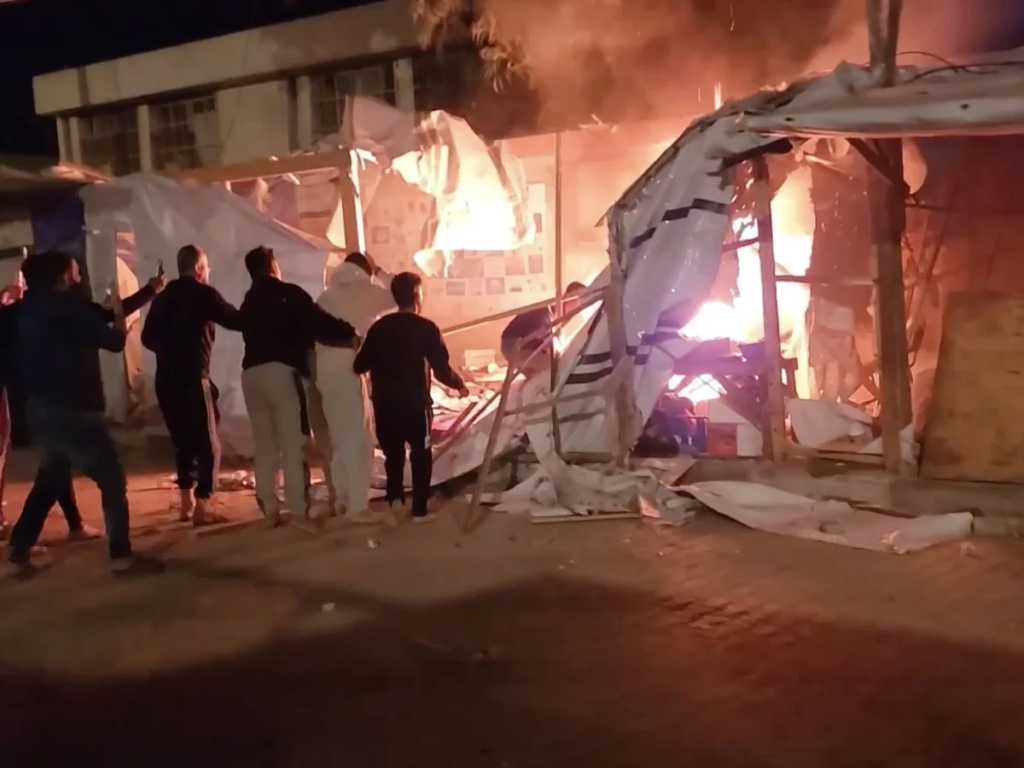
It is also a deeply personal tragedy. In a video clip shared on social media, Ahmed’s body can be seen in flames, his cries muffled by fire and confusion. His colleagues attempted to smother the flames, some burning their own hands in the process, but the tent’s flammable materials ensured the fire raged on. Eventually, Ahmed was taken to receive medical care, but his condition was critical. He passed away the following day.
Those who survived are left not only with physical scars but with the mental trauma of watching one of their own suffer such a horrific fate. The emotional toll on Gaza’s journalist community is immeasurable. And yet, many continue their work, knowing full well that the next missile may carry their name.
As the war continues, so does the danger. Ahmed Mansour’s story is a painful reminder of what’s at stake when war becomes more powerful than truth and when the protection of journalists is treated as optional rather than essential.
There may never be justice for Ahmed Mansour, but remembering him—and all the other journalists who have fallen in Gaza—remains an act of defiance against the erasure of truth. In the face of overwhelming loss and fear, continuing to speak, write, and witness becomes a radical form of resistance.