
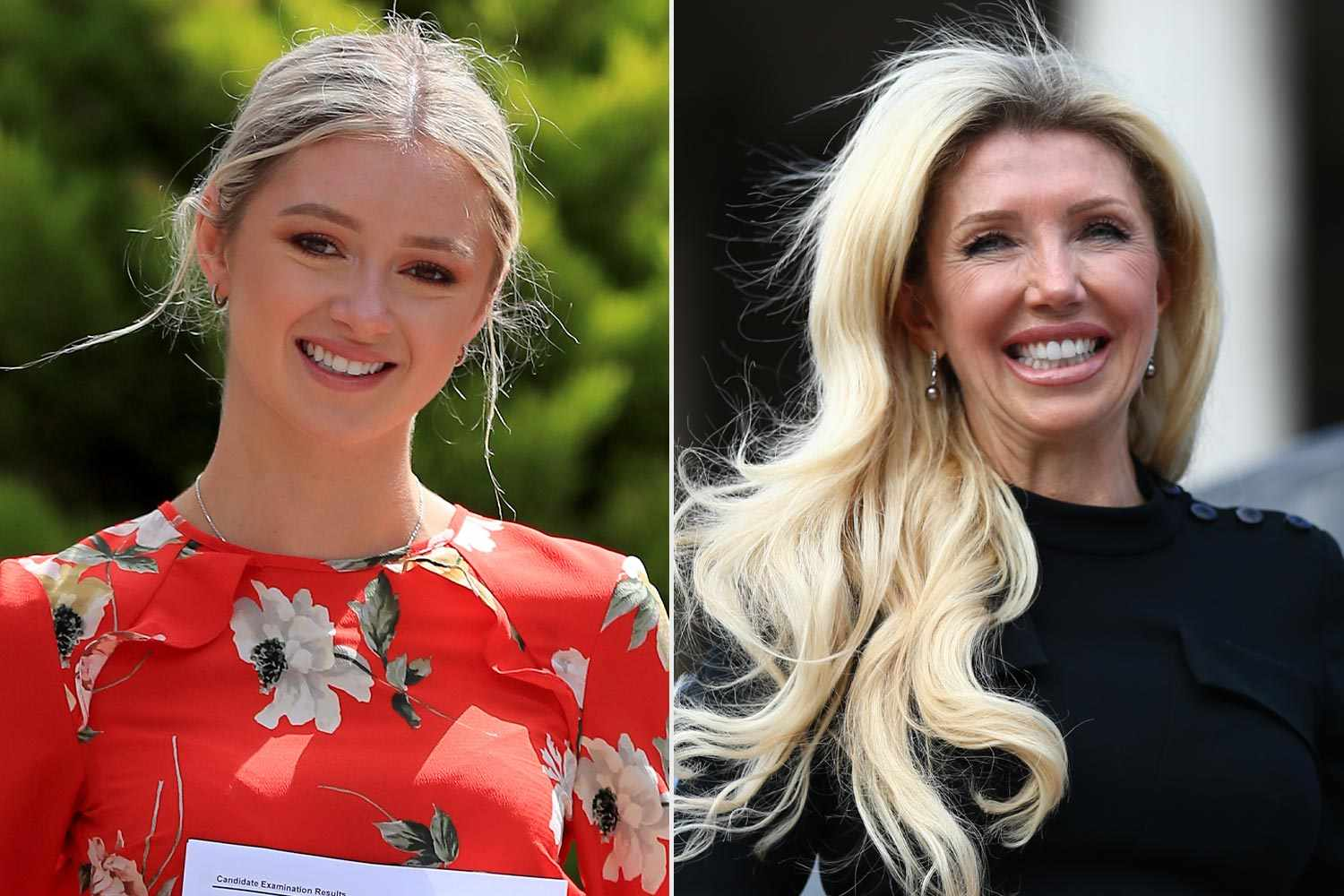
A recent inquest has concluded that 23-year-old Cambridge University graduate Paloma Shemirani was adversely influenced by her conspiracy theorist mother in her decision to refuse chemotherapy for non-Hodgkin lymphoma, leading to her death in July 2024. Diagnosed in December 2023, Paloma had been given an 80% chance of survival by doctors if she underwent conventional treatment.
Instead, she opted for alternative therapies, including coffee enemas and juice regimens, under the guidance of her mother, Kate Shemirani, a former nurse struck off for spreading COVID-19 misinformation. The coroner’s ruling highlighted the significant role family influences played in her fatal choice, while absolving medical professionals of any wrongdoing. Paloma’s brothers have publicly blamed their mother’s beliefs for the tragedy, underscoring tensions within the family amid broader concerns about the impact of conspiracy theories on health decisions.
Diagnosis and Medical Recommendations
Paloma Shemirani was diagnosed with non-Hodgkin lymphoma in December 2023 at Maidstone Hospital in Kent. At the time, she was a recent graduate from the University of Cambridge, known for her academic achievements and involvement in activities such as competing as a finalist in the Miss Brighton pageant. Medical professionals informed her that the cancer, while aggressive if untreated, responded well to standard treatments. Specifically, doctors estimated an 80% recovery rate with chemotherapy, recommending immediate intervention including steroids and a PET scan to assess the disease’s progression.
According to testimony from Dr. Kavitha Mohan, a consultant at the hospital, Paloma initially appeared receptive to the advice. During consultations, she nodded in agreement to the proposed plan, showing no immediate signs of rejection. However, concerns arose when her mother, Kate Shemirani—whose real name is Kay Shemirani—became involved. Kate, a prominent figure in anti-vaccination and alternative health circles, expressed multiple reservations about the treatment during a phone conversation with medical staff. Dr. Mohan later reported worries that Kate was exerting undue influence over Paloma’s decisions, particularly given Kate’s public history of promoting unproven health claims.
Read : 23-Year-Old Cambridge Student Paloma Shemirani Dies After Refusing Chemotherapy
Paloma’s condition deteriorated rapidly without chemotherapy. Non-Hodgkin lymphoma affects the lymphatic system and can spread quickly if not addressed with evidence-based medicine. Experts at the inquest emphasized that early-stage intervention could have prevented the fatal outcome. Instead, Paloma discharged herself from the hospital shortly after diagnosis and moved in with her mother in Uckfield, East Sussex. This shift marked the beginning of her pursuit of non-conventional remedies, which medical professionals warned would not effectively combat the cancer.
My sister Paloma was killed by conspiracy theory influencer Kay @KateShemirani last year. She died on the 24th of July 2024.
— Sebastian Shemirani 🔄 (@SebastianShemi) July 11, 2025
But last month, Paloma’s Instagram was switched from public to private. Dead people don’t use social media.
Kay is controlling my dead sister’s Instagram… pic.twitter.com/ouRC0L8C9R
The diagnosis came at a vulnerable time for Paloma, who had been attempting to reconcile with her estranged mother. Family dynamics played a crucial role, as Paloma’s brothers later revealed that she had initially considered chemotherapy before familial pressures altered her course. Hospital records indicated no coercion from staff; rather, they documented repeated efforts to explain the risks of forgoing treatment. Despite these warnings, Paloma declined to sign consent forms for chemotherapy, citing a background in natural healing—a perspective echoed in her mother’s advocacy.
Family Influence and Alternative Treatments
Kate Shemirani’s role in Paloma’s treatment decisions was central to the inquest’s findings. Struck off the nursing register in 2021 by the Nursing and Midwifery Council for disseminating COVID-19 misinformation that endangered public health, Kate had built a following of over 80,000 on social media platforms by promoting conspiracy theories. These included claims against vaccines, masks, and conventional medicine, often framing them as part of larger plots by authorities. Under the pseudonym “the Natural Nurse,” she advocated for holistic approaches, which she applied to her daughter’s care.
After moving in with her mother, Paloma adopted Gerson therapy, a regimen involving multiple daily coffee enemas, fresh juices, and nutritional supplements. This method, popularized in alternative health communities but lacking scientific backing for cancer treatment, was facilitated by Kate. Paloma’s brothers, Gabriel and Sebastian Shemirani, testified that their mother took a leading role in arranging these treatments. Gabriel, Paloma’s twin, described how their parents—Kate and father Faramarz Shemirani, a non-medical doctor—pressured her against hospital advice.
Text messages reviewed during the inquest showed Faramarz warning Paloma not to consent to medical procedures, claiming doctors aimed to harm her. A family friend, Patrick Vickers, an alternative health practitioner, also influenced Paloma by downplaying the 80% survival statistic provided by doctors, calling it exaggerated. The inquest heard that Paloma, while mentally competent as determined by a High Court assessment in April 2024 initiated by Gabriel, was extremely vulnerable due to her illness and family estrangement. She had sought to rebuild her relationship with Kate, which her brothers believe made her susceptible to these views.

Kate maintained that Paloma’s choices were independent and accused medical professionals of misconduct. In her statement to the inquest, she claimed paramedics administered an overdose when Paloma collapsed at home in July 2024, leading to her death five days later at Royal Sussex County Hospital in Brighton. She further alleged that experimental drugs were given without consent during initial hospital stays. However, coroner Catherine Wood dismissed these assertions as groundless, finding no evidence of negligence by healthcare workers. Instead, the alternative treatments failed to halt the cancer’s advance, with an osteopath noting a massive lymphoid mass on the day of her collapse—the largest he had seen in 43 years of practice.
Paloma’s brothers have been vocal about the family’s division. Sebastian stated that Paloma’s death was a direct consequence of their mother’s actions and beliefs, expressing a desire to prevent similar tragedies. Gabriel echoed this, accusing Kate of sacrificing Paloma’s life for her principles. The inquest revealed a pattern of isolation, with WiFi reportedly turned off at home and exposure to conspiracy theories from a young age, further entrenching alternative viewpoints.
Inquest Conclusions and Broader Implications
The inquest, concluded on October 2, 2025, at Kent and Medway Coroners Court in Maidstone, ruled that Paloma’s death resulted from non-Hodgkin lymphoma, exacerbated by her refusal of effective treatment. Coroner Catherine Wood stated that Paloma was highly influenced by her mother, father, and family friend, with this pressure contributing more than minimally to her demise. Wood described Kate’s care as incomprehensible but not amounting to unlawful killing, noting that with proper support, Paloma likely would have chosen chemotherapy and survived.
The ruling absolved all involved medical institutions—Maidstone Hospital, Royal Sussex County Hospital, and paramedics—of any fault, affirming they acted appropriately. Paloma’s narrative cause of death was recorded as the cancer itself, with no contributory factors from healthcare lapses. Wood emphasized that if Paloma had approached her diagnosis openly, without adverse influences, the outcome could have been different.
This case has highlighted the dangers of conspiracy theories infiltrating personal health decisions, particularly within families. Paloma’s brothers continue to advocate for awareness, pointing to the broader societal risks posed by misinformation. Kate did not attend the inquest’s conclusion, maintaining her stance that external forces were responsible. The tragedy underscores the tension between individual autonomy and familial influence, especially when unproven ideologies clash with medical science.
Experts have noted that non-Hodgkin lymphoma affects thousands annually in the UK, with high survival rates through standard therapies. Paloma’s story serves as a cautionary example of how pseudoscience can lead to preventable deaths, prompting calls for better safeguards against health misinformation. As of the inquest’s end, no further legal actions have been announced, but the family’s public statements suggest ongoing efforts to address the fallout from these beliefs.