
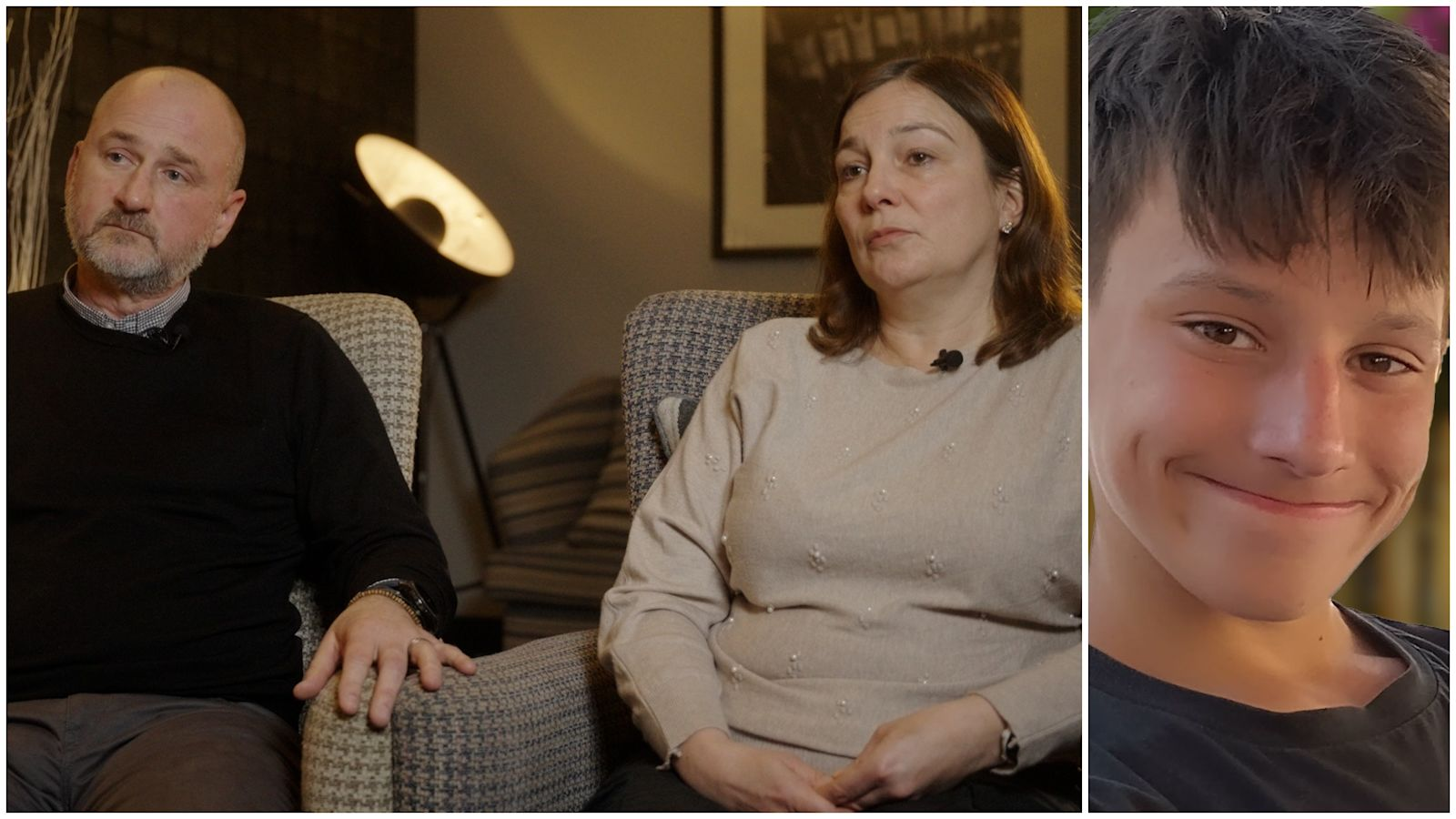
The parents of a Scottish teenager who took his own life after being targeted by an online sextortion gang have launched a landmark lawsuit against Meta Platforms, the parent company of Instagram. Murray Dowey was just 16 when he died in December 2023 at his family home in Dunblane, after being manipulated into sending intimate images to what he believed was a girl his own age on Instagram.
The account was later revealed to be operated by overseas criminals engaged in financially motivated sexual extortion. His parents, Ros and Mark Dowey, argue that Murray’s death was not an isolated tragedy but the foreseeable outcome of systemic design failures within Meta’s platforms, failures they say prioritised user engagement and profit over the safety of children. Filed in the US state of Delaware, where Meta is incorporated, the case is the first of its kind brought by UK parents specifically centred on sextortion-related harm, and it has significant implications for the accountability of social media companies worldwide.
The Circumstances Surrounding Murray Dowey’s Death
Murray Dowey’s experience followed a pattern that has become increasingly common in recent years. Sextortion gangs typically initiate contact through social media platforms such as Instagram, posing as teenagers or young adults to gain trust. Once a victim shares intimate images, the perpetrators threaten to distribute the material to friends or family unless money is paid. For many young victims, the fear, shame and perceived social consequences can be overwhelming.
According to the lawsuit, Murray believed he was communicating with a girl of a similar age when he was persuaded to send private images. The interaction quickly escalated into extortion, leaving him trapped in a cycle of threats and fear. In December 2023, Murray took his own life. His parents say they were unaware of the extent of the harassment he had been subjected to until after his death, a reality that mirrors the experiences of many families affected by online exploitation.
The Doweys have since spoken publicly about their son in the hope of raising awareness among parents and young people. They have described Murray as a caring and ordinary teenager whose life was cut short by a crime facilitated through a platform he used daily. Reflecting on the period since his death, Mark Dowey has said that little has changed in terms of the risks facing children online, arguing that predators remain able to access and exploit young users with relative ease.
'It's time Meta were accountable for what they've done to a lot of young people'
— BBC Breakfast (@BBCBreakfast) December 18, 2025
Ros Dowey, whose 16 year old son Murray took his own life after being blackmailed on Instagram as a victim of sextortion, spoke to #BBCBreakfast about suing the platform's owner Meta, in what's… pic.twitter.com/P5PKtuAtpB
Their lawsuit has been filed by the Social Media Victims Law Center, a US-based organisation that represents families who believe social media platforms contributed to the deaths or severe harm of children. The complaint is also brought on behalf of the family of Levi Maciejewski, a 13-year-old boy from Pennsylvania who also died after being targeted by sextortionists. By combining cases from the UK and the US, the legal action highlights the global nature of the problem and the shared infrastructure through which these crimes occur.
Allegations Against Meta and Platform Design Failures
Central to the lawsuit is the claim that Meta’s design decisions played a direct role in exposing teenagers to sextortion gangs. The complaint alleges that the deaths of Murray Dowey and Levi Maciejewski were the foreseeable result of Meta’s repeated refusal to implement available and affordable safety measures, despite internal knowledge of the risks. According to the legal filing, Meta prioritised engagement and growth over meaningful user protection, even as evidence mounted that its platforms were being used by predators to target children.
One of the key allegations concerns Instagram’s recommendation systems. The lawsuit claims that Meta collected personal data from teenage users without informed consent and used that data to power algorithms that recommended teen accounts to adults who Meta had already identified as exhibiting predatory behaviour. By doing so, the platform is accused of effectively facilitating contact between minors and sextortionists.
Read : 61-Year-Old Dies After Being Pulled by MRI Due to Wearing Metallic Chain
The complaint also focuses on Instagram’s follower and following features, which allow users to view a person’s social network. The lawsuit argues that Meta continued to share this information even after becoming aware that it was being exploited by criminals to threaten victims with exposure. By accessing a teenager’s list of followers, sextortionists could credibly threaten to send intimate images to friends, family members or classmates, significantly increasing the psychological pressure on victims.
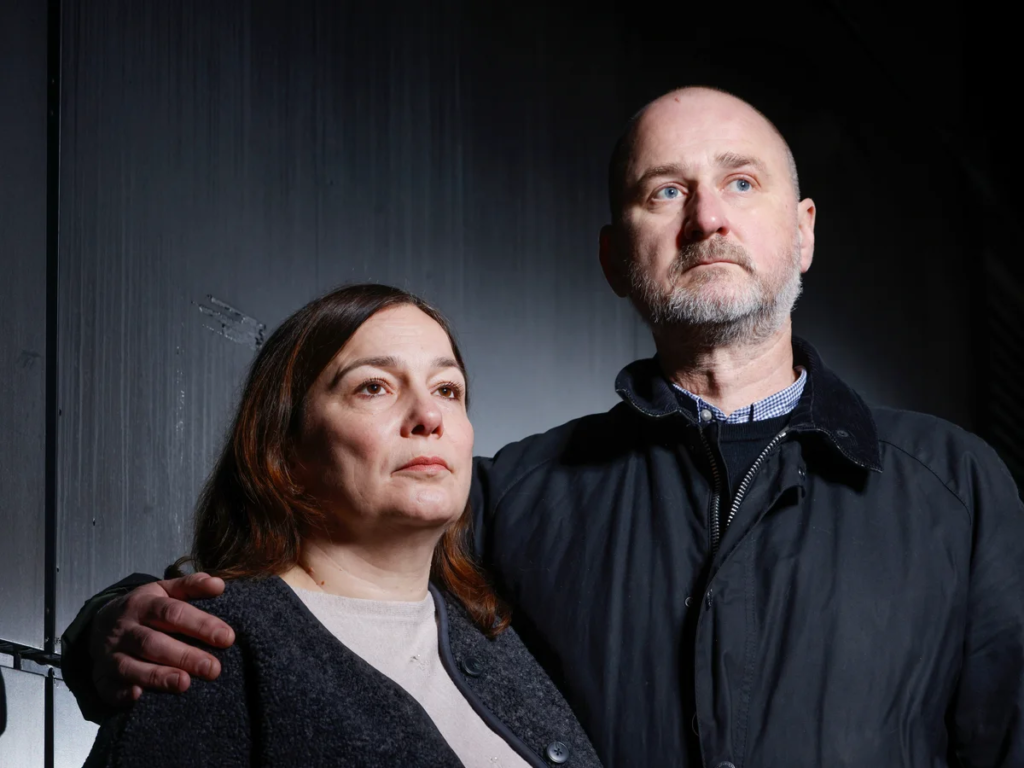
In addition, the Doweys’ legal team alleges that Meta made false and misleading public statements about the safety of Instagram for teenagers. While marketing the platform as appropriate for young users, internal testing and documents, cited in the lawsuit, allegedly showed that Instagram was effectively “matchmaking” children with adult predators. The complaint argues that this disconnect between public assurances and internal knowledge prevented parents and young users from fully understanding the risks they faced.
Matthew Bergman, the lawyer representing the Doweys, has stated that Meta is involved in every US-based sextortion case his organisation has filed. He argues that this is not coincidental but reflects a product defect issue unique to Meta’s platforms. According to Bergman, documents disclosed in previous legal proceedings demonstrate that Meta was aware of these risks and chose not to act decisively, making the resulting harm not only predictable but preventable.
The Broader Sextortion Crisis and the Push for Accountability
The case brought by the Doweys comes amid a sharp rise in sextortion cases across the UK, the US and Australia. Law enforcement agencies and child protection organisations have reported significant increases in reports over the past few years, with teenage boys and young men emerging as the most frequent victims. Many of the criminal networks involved are loosely organised groups operating from regions such as south-east Asia and west Africa, using social media platforms to reach victims in Western countries at scale.
Read : 13-Year-Old Emiliano Munoz Dies After Crashing into Metal Cable While Riding E-Bike
Earlier reporting has shown that children as young as 11 and 12 are now being targeted, indicating that perpetrators are widening their net as awareness grows among older teenagers. Despite this, families and campaigners argue that platform-level protections have not kept pace with the evolving tactics of sextortion gangs.

While other legal actions have been brought against social media companies in the UK, including cases against TikTok linked to the so-called “blackout challenge”, the Doweys’ lawsuit is the first to focus specifically on sextortion as a cause of wrongful death. This distinction is significant, as it places scrutiny on how platform design and data practices can enable criminal exploitation rather than simply hosting harmful content.
Meta has acknowledged sextortion as a serious issue and has pointed to a range of safety measures introduced in recent years. These include placing users under 16 into private accounts by default, restricting the ability of suspicious accounts to view follower lists or request to follow teenagers, and blurring potentially sensitive images sent via direct messages. In October 2024, Instagram also introduced measures to prevent screenshots or screen recordings of disappearing images and videos, aimed at reducing the leverage available to extortionists.
According to Meta, accounts exhibiting suspicious behaviour are blocked from interacting with teen users, and in June alone such accounts were reportedly blocked one million times. New block and report features for direct messages were also rolled out in July, alongside warnings to users when they may be chatting with someone in another country.
However, the Doweys argue that these measures came too late and do not address the fundamental design choices that allowed sextortion to flourish. Ros Dowey has said that parents often believe their children are safe simply because they are browsing images on Instagram, without realising how easily those interactions can escalate into exploitation. For her and her husband, speaking out has become both a warning to other families and a demand for meaningful change.
Mark Dowey has described the lawsuit as a way to secure some measure of justice for his son, stating that internal documents cited in the complaint are deeply troubling. He argues that Meta knew its products were linked to child deaths and failed to act with the urgency required, instead placing commercial interests above the wellbeing of young users. As the case proceeds through the Delaware courts, it is likely to attract close attention from regulators, lawmakers and families around the world.
Beyond the specific details of Murray Dowey’s death, the lawsuit raises broader questions about the responsibility of technology companies whose platforms are deeply embedded in the lives of children and teenagers. Whether the courts ultimately agree with the Doweys’ claims or not, the case underscores a growing demand for accountability and transparency in how social media companies design, market and safeguard products used by millions of young people every day.