
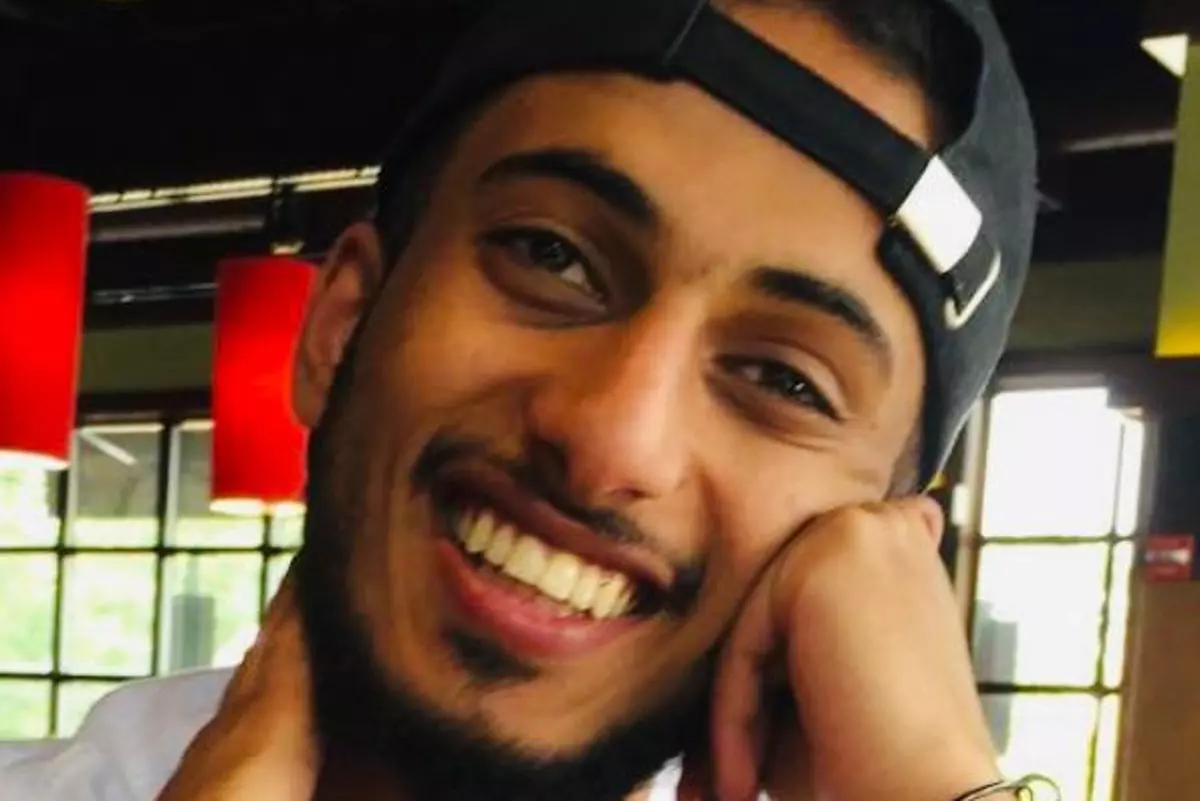
The tragic murder of 25-year-old Saudi student Alwaleed Algheraibi inside an Airbnb rental property in Philadelphia has not only devastated his family but ignited a fierce legal battle over the accountability of online rental platforms.
Algheraibi, a computer science major from Chestnut Hill College, was brutally stabbed to death by 19-year-old Nicole Marie Rodgers, a fellow Airbnb guest staying in the same townhouse. His parents, Abdullah and Eiman Algheraibi, have filed a lawsuit against Airbnb, alleging that the platform’s negligent vetting process directly contributed to their son’s death.
This case is now at the heart of a broader conversation about digital platforms, background checks, and the responsibility tech companies bear in ensuring user safety. With Airbnb facing growing scrutiny, the lawsuit underscores a growing demand for stricter safety standards and more transparent policies on short-term rental platforms.
The Fatal Encounter: How a Kind Young Man Became the Victim of a Nightmare
The events that led to the horrifying death of Alwaleed Algheraibi began innocuously. In the summer of 2022, host Gardith Edouard—a Cornell graduate and medical student—rented out rooms in her Germantown investment property via Airbnb. Edouard used a screening service, interviewed prospective tenants, and conducted background checks to ensure a safe and reliable rental process.
When Algheraibi approached her with a request to rent a room, she carefully verified his identity, student status at Chestnut Hill College, and even gathered emergency contact information. Satisfied with her findings, she rented him a first-floor room for six months.
Alwaleed Algheraibi was described as a model tenant—polite, respectful, and punctual with rent payments. According to his teachers, he was exceptionally kind, once even saving a cricket in the classroom, a moment remembered fondly by those who knew him. He was close to graduation and had plans to return home to Saudi Arabia to reunite with his fiancée and family. But life took a fatal turn when Nicole Marie Rodgers arrived.
Rodgers had booked a room at the same property through Airbnb for a brief stay in January 2023. Her profile indicated that her identity had been verified, yet this verification was later revealed to be shallow.
Despite Edouard’s hesitation about renting to teenagers, especially after a prior incident involving an 18-year-old tenant, she was informed by Airbnb that age-based restrictions could be considered discriminatory under their policies. Fearing penalties or suspension from the platform, Edouard reluctantly accepted Rodgers’s reservation.
Read : Italy is Paying Its Citizens €100,000 to Settle in Stunning Trentino Region
What unfolded during Rodgers’s stay was every host’s worst nightmare. On January 23, the final day of her booking, Rodgers lured Alwaleed Algheraibi to her third-floor room, allegedly asking him for help moving heavy items. Once inside, she attacked him, stabbing him repeatedly in the neck and lungs.
Read : Young Indians Drive Surge in Travel to Thailand with 60% Increase
According to the lawsuit, Rodgers then dragged his dying body into a bathroom and left him in the shower to die. The scene was grisly—walls and floors soaked in blood, the air thick with the odor of bleach as Rodgers tried to cover her tracks.
Another tenant in the house heard disturbing sounds and alerted Edouard. When she entered Rodgers’s room, she saw her pouring bleach on the floor. After picking the bathroom lock, Edouard discovered Alwaleed Algheraibi’s motionless body. Despite her attempt to revive him, it was too late. First responders declared him dead at the scene.
Legal Fallout: Parents Demand Justice from Airbnb
Following the arrest and conviction of Rodgers, who pleaded guilty in December 2024 to third-degree murder, burglary, theft, and weapons charges, the attention turned to Airbnb. The Algheraibi family filed a wrongful death lawsuit, alleging that the online rental platform failed in its duty of care to other guests by allowing someone like Rodgers to book a room without sufficient background checks.
The complaint highlights Airbnb’s failure to restrict underage or high-risk individuals from accessing its services. It notes that Airbnb refused to let the host reject Rodgers based on her age, threatening consequences for discrimination.
This policy, the family argues, directly enabled Rodgers to gain access to the home and ultimately murder their son. The lawsuit emphasizes that Airbnb’s background checks are often superficial and insufficient to detect violent tendencies or criminal histories.

Adding insult to injury, the lawsuit claims Rodgers was able to access her Airbnb profile after the murder, change her name to “Nicole Jenkins,” and alter her profile picture. This suggests that Airbnb’s systems lacked the monitoring or alerts necessary to flag potentially dangerous activity—even after a violent crime had occurred.
The case raises troubling questions about Airbnb’s approach to guest verification and the broader implications for safety in shared housing environments. While platforms like Airbnb rely on algorithms and user reviews to establish trust, these mechanisms can fail to detect serious risks, particularly when criminal records are sealed or obscured.
Alwaleed Algheraibi’s parents, still grieving their son’s senseless death, hope the lawsuit will catalyze meaningful reform. Their attorney, Steven Harvey, stated that while nothing could bring their son back, the family wants Airbnb to be held accountable and to implement stricter guest screening measures. The hope is that no other family will have to endure such a horrific loss.
Broader Implications: Rethinking Platform Responsibility in the Gig Economy
The lawsuit against Airbnb touches on an increasingly urgent debate about the responsibilities of tech companies in the gig and sharing economy. As platforms grow and diversify their offerings, their potential for facilitating harm also increases—particularly when they serve as intermediaries between strangers.
Critics argue that Airbnb’s current screening process, which includes identity verification and optional background checks, lacks the rigor necessary to protect both hosts and guests. For example, background checks may not be applied to all users and often fail to cover juvenile court records, as was the case with Rodgers. The fact that Rodgers had a sealed juvenile record means Airbnb might not have known her full history—but this only highlights the need for more robust protections.

Moreover, Airbnb’s policies around “nondiscrimination” may have unintended consequences. In this case, the host wanted to reject Rodgers based on age—an objective criterion she considered relevant due to past experiences—but was discouraged from doing so by Airbnb’s enforcement of nondiscrimination rules. This well-intentioned policy may have inadvertently put tenants like Algheraibi at risk.
As platforms expand, these legal and ethical challenges will only intensify. Should tech companies be considered landlords when they facilitate the renting of private property? Should they be held to similar legal standards as hotels or long-term housing providers? These are complex questions without easy answers, but the Alwaleed Algheraibi case brings them sharply into focus.
For now, the case moves forward in federal court, where it could set significant legal precedent. If the Algheraibi family prevails, it may prompt sweeping changes not only at Airbnb but across the entire short-term rental industry. These could include mandatory background checks for all users, stronger age verification protocols, and clearer guidelines for hosts wishing to protect themselves and others.
In the aftermath of this tragedy, one thing is clear: digital convenience must not come at the expense of human life. As heartbreaking as the loss of Alwaleed Algheraibi is, his story may become the catalyst for reform that ultimately makes the platform—and the people who use it—safer.
The case continues to draw national and international attention, particularly in Saudi Arabia, where Alwaleed Algheraibi’s death has sparked outrage. For the family, their son’s memory is a reminder of the dangers of trusting platforms that have yet to mature in their duty of care. And for Airbnb, the lawsuit may be a reckoning it cannot afford to ignore.