
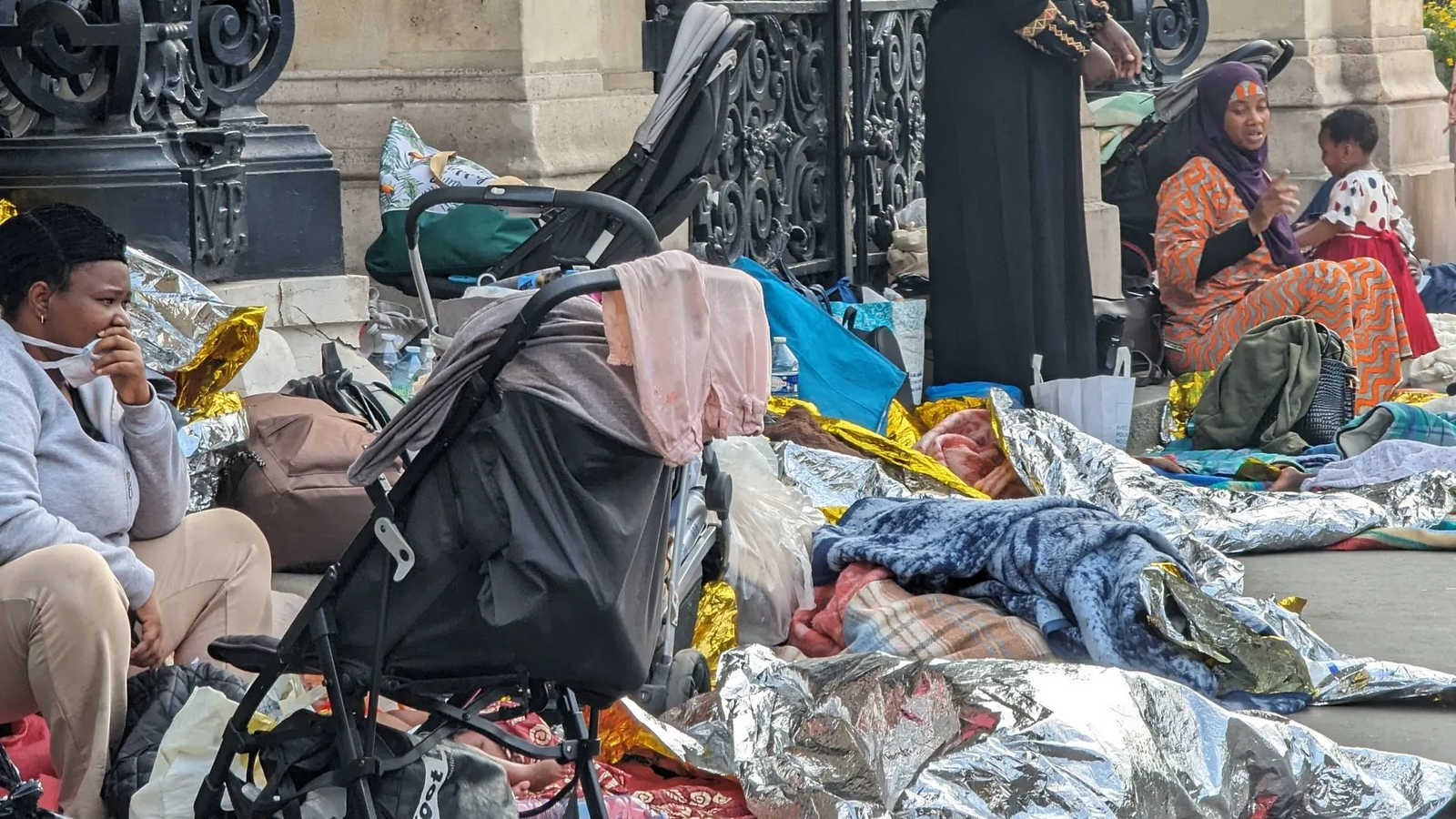
As the Paris Olympics 2024 unfolded in a celebration of athleticism and global unity, a lesser-known narrative simmered beneath the spectacle. According to a coalition of over 100 community organizations, more than 19,500 people were forcibly displaced in the lead-up to the event.
The coalition, named “Le Revers de la Médaille” (The Other Side of the Medal), claims that these evictions reflect a harsh reality for marginalized individuals in Paris, many of whom were pushed out from informal housing and tent camps around the city.
While officials emphasize the legacy of the Olympics in improving city infrastructure and providing housing, advocacy groups are calling for a reevaluation of the Olympic hosting model to prevent future displacements.
The Displacement Crisis in Paris: Who Was Affected?
From April 2023 to September 2024, Le Revers de la Médaille documented nearly 20,000 cases of displacement from makeshift homes, shelters, and informal encampments. According to the coalition, the wave of evictions aligns with Olympic-related preparations, which aimed to “beautify” public spaces around Paris and maintain the city’s image as a top-tier tourist destination for the anticipated influx of spectators.
The evicted population included not only homeless individuals but also a significant number of migrants and refugees, many of whom had been living in precarious conditions around Paris for years. Of the displaced, more than 4,500 were minors, making the scale and scope of the evictions particularly distressing.
The coalition notes that in some cases, individuals were evicted multiple times, meaning that while the total displacement number might include repeated displacements, the experiences and instability for those affected remain deeply impactful.
The emphasis on high visibility areas near Olympic venues contributed to the systematic targeting of camps and shelters in these areas.
Read : Biggest and Most Complete Dinosaur Skeleton to Be Auctioned in Paris
The evidence supporting these claims is substantial. Le Revers de la Médaille has obtained photographs, eviction orders, and government documents directly linking the operations to Olympic preparations.
Some of these documents explicitly reference the Olympic Games as a reason for evictions, showcasing a stark contrast between the city’s public celebration of unity and the reported exclusion of marginalized populations from prominent locations.
This data reveals a troubling trend, as the coalition reports a 41% increase in eviction operations from April 2023 to September 2024 compared to the same period in previous years, signaling an intensified approach to removing visible signs of poverty.
Official Response and Claims of a Social Legacy
Paris officials have offered a different narrative, defending the evictions as part of broader security and logistical measures necessary for an event of such magnitude. In August, Marc Guillaume, the prefect for the Île-de-France region, denied that eviction rates were influenced by Olympic preparations, asserting that everyone displaced was offered alternative housing.
French President Emmanuel Macron echoed these sentiments, emphasizing what he called a “social legacy” of the Olympics. According to Macron, over 200 marginalized individuals who once lived around Olympic venues were provided permanent housing as part of a city-wide initiative.
While the claim of a social legacy may hold truth in certain instances, critics argue that the number cited by officials is negligible in comparison to the nearly 20,000 people displaced during the Olympic preparations. For those affected by repeated displacements, these assurances often rang hollow.

Many individuals reportedly received little more than temporary accommodations that failed to address their long-term needs. Critics argue that the focus on relocating individuals near the venues served more as a strategy for managing optics rather than addressing the root issues of homelessness and migration challenges in the Paris region.
The coalition’s report also questions the effectiveness of the alternative housing solutions provided, with advocates claiming that temporary shelters often lack adequate resources and long-term stability.
They argue that if a true social legacy was intended, the Olympic Games should have served as an opportunity to address systemic issues around affordable housing, social services, and support for vulnerable populations.
Instead, the displacement crisis has prompted community leaders to call for a new model of Olympic planning that avoids similar social disruptions in the future.
A Call for Change: Rethinking the Paris Olympics Hosting Model
Le Revers de la Médaille and its affiliated groups are advocating for a reevaluation of the Olympic hosting model, proposing a shift toward more sustainable practices to avoid mass displacements and the socioeconomic hardships they often bring.
One solution the coalition has suggested is the establishment of a permanent Olympic site that could host each Games, thus reducing the pressures of event-specific renovations and infrastructure overhauls in various host cities.
By removing the need for every host city to undertake massive redevelopment projects, the coalition argues, the Olympics could mitigate the risk of forcible evictions and other disruptions that disproportionately affect society’s most vulnerable populations.
Critics of the current Olympic model point out that each host city often embarks on ambitious redevelopment projects that require significant public investment, frequently leading to the displacement of low-income and marginalized residents. In recent years, Olympics host cities have faced growing backlash over the social and financial costs of the Games.
Community groups argue that these projects prioritize the aesthetics and appeal of the city for global audiences rather than addressing pressing social concerns within the host country. The current model, they assert, has created a pattern of short-term gain at the expense of local communities, whose needs are frequently sidelined for the sake of international prestige.
The Paris 2024 Games exemplify these issues, as the city pursued extensive preparations for an unprecedented opening ceremony along the Seine River, which involved rigorous security measures and QR-code-based access protocols.

This event, while celebrated for its innovation, underscores the heightened scrutiny and control exerted over urban spaces during the Olympics. The coalition’s report challenges future host cities to adopt planning practices that prioritize the well-being of all residents, including those who reside in informal or marginalized housing situations.
A Model for Equitable and Inclusive Olympics
The displacement crisis in Paris has brought renewed attention to the social costs of the Olympics, raising important questions about how to balance global events with local realities. As cities compete for the honor of hosting the Games, the focus has often been on economic and infrastructural advancements.
However, the human impact—especially on vulnerable populations—frequently remains unaddressed. For the Paris Olympics, the displacement of nearly 20,000 people represents a sobering reminder of the social disruptions that can accompany such a monumental event.
Le Revers de la Médaille’s call for a permanent Olympic site reflects a growing movement to hold the International Olympic Committee (IOC) accountable for the long-term consequences of the Games.
By establishing a fixed location, proponents argue, the Olympics could reduce the pressure on cities to undertake disruptive renovations and ensure that vulnerable populations are not repeatedly uprooted.
This approach could also create a consistent, sustainable environment where the infrastructure developed for the Games is repurposed for future events, without impacting local communities.
The IOC has an opportunity to lead the charge in promoting an Olympic model that aligns with its values of solidarity and respect for human dignity. By integrating sustainable practices and a commitment to minimizing social harm, the Olympics could better serve as a symbol of unity that uplifts communities rather than displacing them.
For the individuals and families affected by the Paris evictions, the lasting legacy of the Games may remain a painful one, but the growing awareness of these issues could inspire a more equitable future for global events.
In the wake of Paris 2024, it is essential for stakeholders to address these social challenges and engage in meaningful dialogue with local communities.
As the Olympic movement strives for inclusivity and positive impact, advocates hope that the legacy of Paris will extend beyond athletic achievements and inspire reforms that honor the humanity of all residents—whether they are spectators, athletes, or simply individuals trying to make a life in the city they call home.