
A serious medical emergency unfolded aboard a Holland America Line cruise ship in the early hours of December 11, when a 69-year-old passenger sustained critical injuries after falling down a staircase during rough seas off the coast of central Vietnam. The incident, confirmed by Vietnam’s Maritime Search and Rescue Coordination Center (VMRCC), prompted an urgent medical evacuation involving coordinated efforts between the ship’s crew, Vietnamese maritime authorities, and local medical services.
The passenger, a German national traveling aboard the Westerdam, was later transferred to a hospital in Da Nang for advanced treatment. While cruise ships are equipped with onboard medical facilities, the severity of the injuries and the risk of internal bleeding necessitated immediate external intervention, underscoring the challenges of managing medical crises at sea.
Incident During Rough Seas Off Da Nang
According to the VMRCC, the accident occurred at approximately 2:18 a.m. local time while the Westerdam was navigating waters about 32 nautical miles from Da Nang, a major coastal city and popular tourist destination in Vietnam. The ship was encountering rough sea conditions at the time, which authorities indicated may have contributed to the fall. The passenger reportedly lost his footing and fell down a staircase, sustaining serious trauma.
Falls are among the most common onboard incidents reported on cruise ships, particularly among older passengers, and they can be exacerbated by vessel motion caused by adverse weather. Staircases, corridors, and other shared spaces are designed with safety features such as handrails and non-slip surfaces, but sudden ship movement during rough seas can still pose significant risks. In this case, the fall resulted in injuries severe enough to immediately alarm the ship’s medical team.
Onboard medical personnel responded promptly, providing first aid and conducting an initial assessment of the passenger’s condition. Medical staff identified a spleen injury and suspected internal bleeding, both of which are potentially life-threatening if not treated quickly. Based on these findings, the patient’s condition was classified as critical. Given the limitations of onboard medical facilities for managing complex internal injuries, the ship’s captain issued an emergency request for external assistance.
Read : Visa-Free Entry to China via Cruise Ship: Strategy or Bold Tourism Move?
The VMRCC, which oversees maritime rescue operations in Vietnamese waters, was notified shortly after the assessment. Recognizing the seriousness of the situation, the agency instructed the Westerdam to proceed at full speed toward Da Nang to facilitate a rapid transfer to shore-based medical care. The decision reflected the heightened risk associated with internal bleeding, where delays can significantly worsen outcomes.
Emergency Response and Medical Evacuation
Following the emergency request, Vietnamese maritime authorities initiated a coordinated response involving both sea and port resources. Local reports from outlets such as VN Express and Asean Now detailed the timeline of the evacuation, which unfolded over the next several hours in the early morning darkness.
At approximately 3:27 a.m., a pilot boat rendezvoused with the Westerdam near buoy No. 0, a navigational marker used to guide vessels approaching port. This step was critical in ensuring the cruise ship could safely and efficiently enter Da Nang’s harbor under emergency conditions. By 4:30 a.m., the Westerdam had successfully docked at Tien Sa Port, a major maritime hub serving the city.
Read : 69-Year-Old Mary Robinson Arrested in Bahamas After Forgetting Loaded Gun in Purse on Cruise Ship
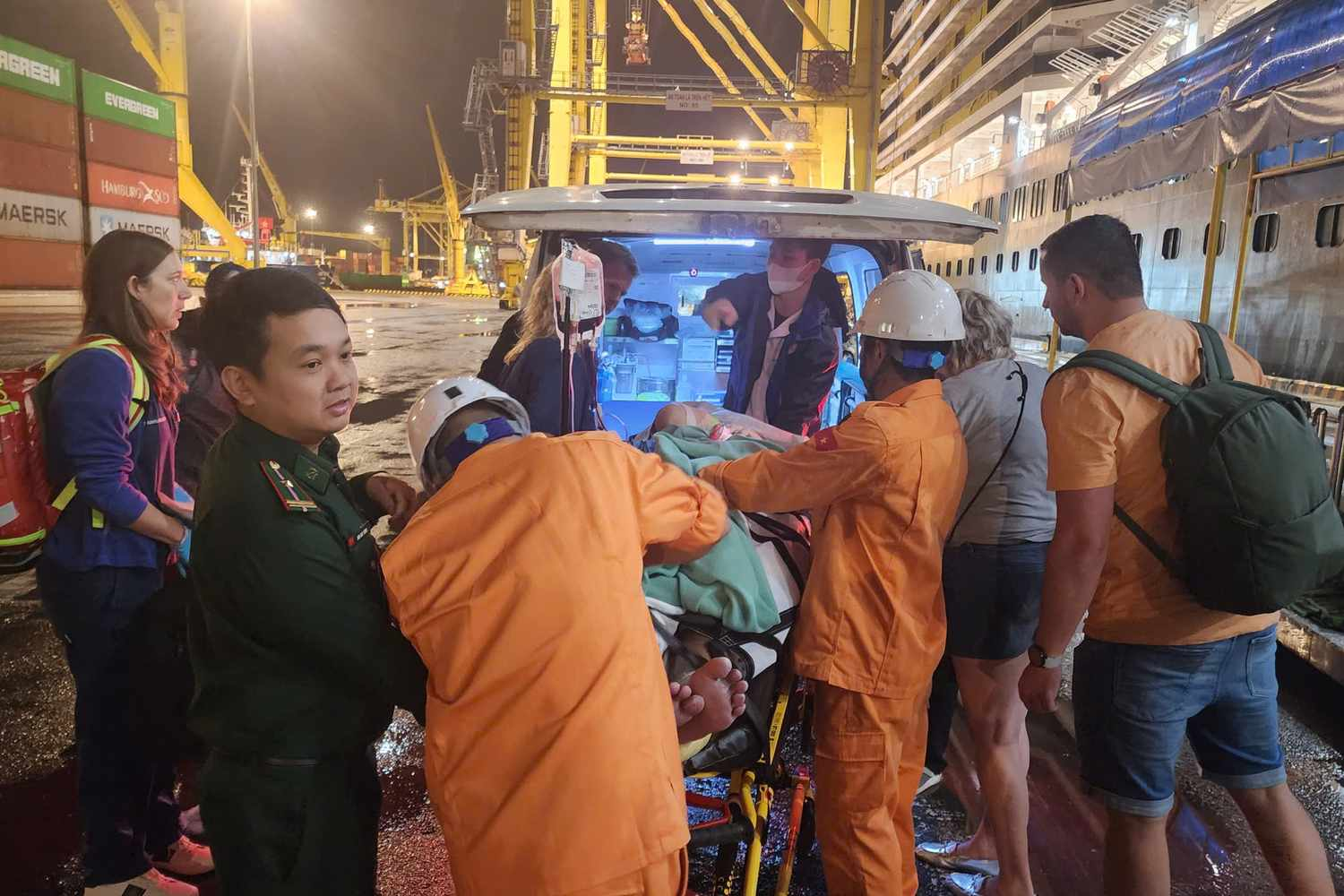
Once docked, the injured passenger was transferred from the ship to waiting medical personnel and transported directly to Vinmec Da Nang Hospital, a private medical facility known for handling complex and emergency cases. The swift transfer from ship to hospital was essential given the suspected internal bleeding and spleen injury, conditions that often require advanced imaging, surgical intervention, and intensive monitoring.
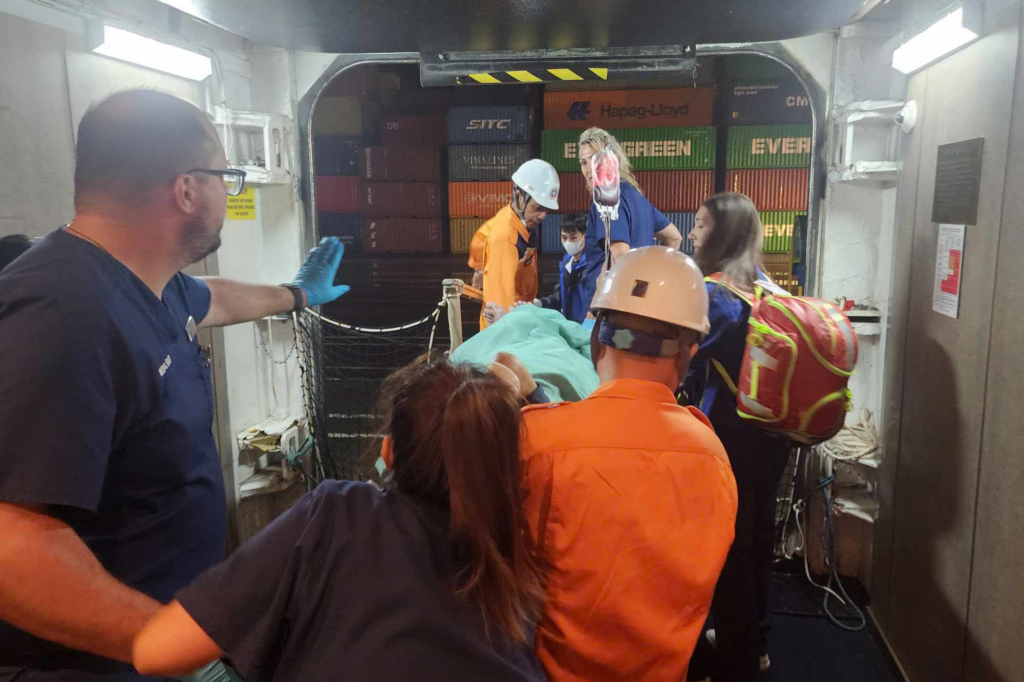
Images released by Vietnamese maritime authorities showed coordinated efforts between Holland America crew members and VMRCC personnel during the transfer, highlighting the importance of international cooperation in maritime emergencies. The Westerdam was carrying approximately 1,900 passengers at the time of the incident, all of whom continued their voyage once the evacuation was completed.
As of the latest available information, the passenger’s current medical condition has not been publicly disclosed. Authorities confirmed only that he was admitted to the hospital for treatment following the evacuation. Holland America Line has not provided additional details, and a company representative did not immediately respond to media inquiries seeking comment.
Medical evacuations from cruise ships, while relatively rare compared to the total number of passengers sailing each year, are not uncommon, particularly on long itineraries or voyages involving older demographics. Cruise lines typically work closely with coastal authorities to ensure that critically ill or injured passengers receive appropriate care as quickly as possible, even when ships are far from port.
Cruise Itinerary and Broader Safety Considerations
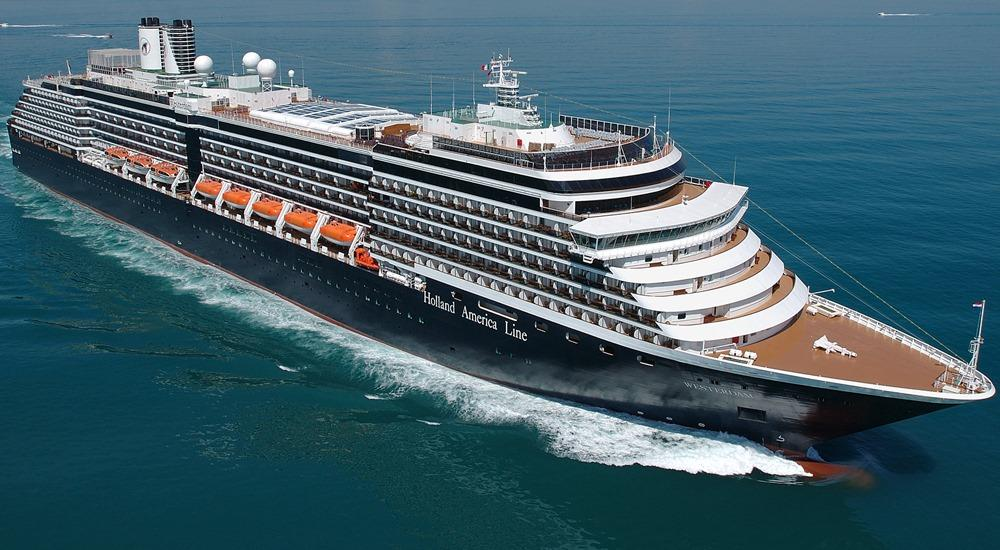
The Westerdam is currently operating a 27-day round-trip voyage described as the “Far East, The Philippines and Malaysia Collector,” according to CruiseMapper. The ship departed from Singapore on November 23 and is scheduled to return on December 20. The itinerary includes multiple destinations across Southeast and East Asia, including ports in Thailand, the Philippines, Hong Kong, Cambodia, and Vietnam.
Read : Family Sues Royal Caribbean After 35-Year-Old Michael Virgil Dies Aboard Cruise Ship
Despite the seriousness of the medical emergency, CruiseMapper reported that the ship’s itinerary was not impacted by the evacuation. After docking in Da Nang and transferring the injured passenger, the Westerdam continued its scheduled voyage. This outcome reflects the ability of large cruise ships to manage isolated emergencies without significantly disrupting broader travel plans, provided the situation can be resolved efficiently and safely.
The incident has nonetheless drawn attention to passenger safety aboard cruise ships, particularly for older travelers. With the global cruise industry increasingly catering to retirees and senior passengers, issues such as fall prevention, mobility assistance, and emergency preparedness remain central concerns. Rough sea conditions, while often unavoidable, can increase the likelihood of accidents, especially during nighttime hours when visibility is reduced and passengers may be navigating unfamiliar spaces.
Cruise operators routinely issue advisories during periods of heavy seas, encouraging passengers to use handrails, avoid unnecessary movement, and remain in their cabins when conditions are particularly unstable. However, accidents can still occur, underscoring the importance of robust onboard medical capabilities and clear emergency protocols.
This case also highlights the critical role played by regional maritime rescue agencies such as the VMRCC. In busy international waters like those off Vietnam’s coast, rapid coordination between foreign-flagged vessels and local authorities is essential. The successful evacuation of the injured passenger demonstrated effective communication and logistical planning, from the captain’s initial distress call to the final transfer at port.
While the long-term outcome for the injured passenger remains unknown, the incident serves as a reminder of the inherent risks associated with maritime travel, even aboard modern, well-equipped cruise ships. It also illustrates how swiftly those risks can escalate into life-threatening situations, particularly for vulnerable individuals. As cruise tourism continues to expand across Asia and other regions, maintaining high safety standards and emergency response readiness will remain a priority for operators and authorities alike.