

A serious safety incident at Melbourne Airport’s Qantas business lounge has renewed global concerns around lithium battery-powered devices, after a passenger’s power bank suddenly caught fire in his trouser pocket and caused burns, panic, and the evacuation of nearly 150 people. The dramatic event unfolded at around 11am local time on Thursday, when several travellers inside the lounge heard screams and witnessed smoke and flames spreading from the man’s clothing.
Witnesses described seeing the device explode and send corrosive residue through the air while staff and fellow passengers rushed to assist. The man, believed to be around 50 years old, suffered significant burns to his leg and fingers as his jacket caught fire during the incident. The staff on duty responded quickly, guiding the injured passenger to a shower to extinguish the flames and immediately evacuating the lounge to protect others from inhaling smoke and fumes.
Emergency services arrived shortly after to treat the man and ensure the area was safe. The lounge, once cleared, underwent cleaning and safety assessments before reopening later in the day. Qantas has confirmed the incident and has stated that it is reviewing its policies on lithium battery devices. This event highlights the growing risks associated with lithium battery-powered items commonly carried by travellers. Devices such as power banks, laptops, phones, and e-cigarettes contain batteries that can malfunction or become damaged, leading to overheating or short-circuiting.
Aviation authorities worldwide have already set rules regarding how such batteries should be transported, yet incidents continue to rise in airports and onboard aircraft. The Melbourne airport incident is among the more publicised and visually alarming examples of these dangers. As more travellers carry multiple electronic devices, airlines and regulators face increasing pressure to reevaluate safety procedures, restrictions, and passenger awareness efforts regarding battery safety.
Evacuation and Immediate Response in the Qantas Business Lounge
According to witness reports, the scene unfolded without warning. Those seated nearby described a sudden burst of noise followed by flames and smoke as the battery erupted in the passenger’s pocket. Initial reactions included fear and confusion, but several travellers noted that staff reacted rapidly and professionally.
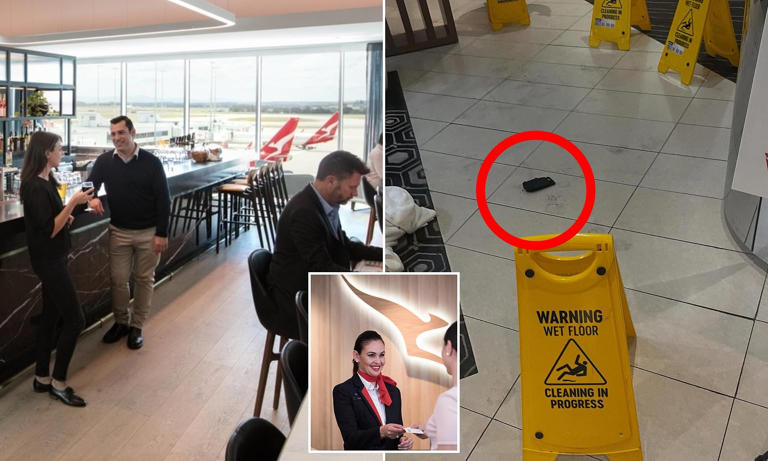
Lounge workers directed the injured individual to the nearest shower facility, where water was used to control the flames and help cool the burns. Other staff moved to clear the space, urging passengers to leave behind their belongings and exit the lounge to avoid inhaling fumes and to allow emergency responders to enter safely.
One traveller who shared details on social media recalled seeing “battery acid flying everywhere” as the device disintegrated. Another described the intense smell of smoke and chemicals spreading through the room. Within minutes, local emergency services arrived and assessed the passenger’s injuries before transporting him to the hospital. He sustained burns to his leg and fingers, resulting from both the flames and his attempts to remove the burning device from his clothing.
Read : Several Tesla Vehicles Shot and Set on Fire by Man in Black Outfit at a Repair Facility in Las Vegas
Film producer Leanne Tonkes, present during the incident, later shared an image of the charred power bank lying on the floor surrounded by caution signs placed by staff. She noted that both a fellow passenger who stepped in to help and the lounge employees responded quickly and calmly in a stressful situation. The evacuation process concluded efficiently, and passengers were allowed to re-enter the lounge once cleaning and ventilation had been completed.
An exploding power bank has left a man with burns to his fingers and legs and forced the evacuation of a Qantas business lounge at Melbourne Airport. #melbourneairport #airport #evacuation #powerbank #qantaslounge pic.twitter.com/h0hyOi5QGu
— 7NEWS Australia (@7NewsAustralia) November 6, 2025
Qantas issued a statement confirming the event and expressing that the airline was committed to reviewing safety practices concerning portable battery-powered devices. The airline clarified that the evacuation was carried out purely as a precautionary measure to ensure that no passengers were exposed to excessive smoke or potentially hazardous fumes.
Lounge operations returned to normal shortly after the cleanup, although the incident left many travellers concerned about how easily these devices can ignite without warning. It also raised questions about whether airline lounges and terminals need clearer guidance on how passengers store and handle power banks and other lithium-powered items while waiting for flights.
Growing Concerns Around Lithium Battery Safety
Lithium batteries are widely used because they provide high energy storage relative to their size, making them ideal for powering portable electronics. However, they also carry inherent risks. Manufacturing flaws, overheating, physical damage, or exposure to moisture can increase the likelihood of internal short-circuits that lead to thermal runaway, a chain reaction that can produce extreme heat, smoke, and fire. Once a battery begins to overheat in this way, it can ignite nearby flammable materials or cause burns to the person carrying it, as occurred in Melbourne.
Airports and airlines have long been aware of these risks, which is why items like power banks are generally only allowed in carry-on bags, not checked luggage. The reasoning behind this rule is that fires occurring in the cabin can be detected and addressed more quickly than those in the cargo hold. Yet even with these precautions, preventing dangerous situations entirely remains difficult. Passengers frequently carry power banks in pockets or bags where they may be jostled, compressed, or exposed to heat, increasing the risk of battery failure.
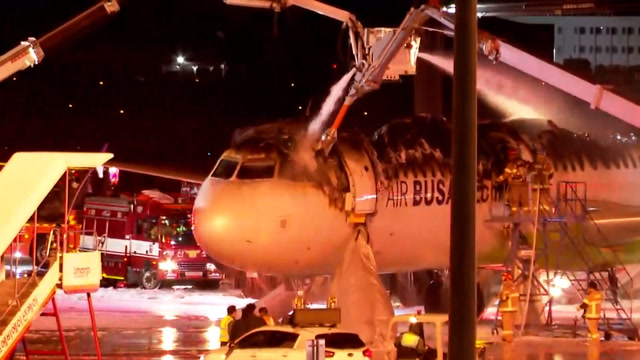
Global aviation authorities continue to update regulations as incidents rise. The Australian Competition and Consumer Commission documented a 92 percent increase in reported lithium battery-related incidents in 2022. Other airlines are also adapting. Emirates has banned the use of power banks during flights, and Virgin Australia has changed its policy to require power banks to remain in view rather than stored in overhead compartments, after a previous onboard fire was traced to a device that overheated out of sight.
The growing number of reports signals that travellers may not be fully aware of how sensitive these devices can be to damage. Many power banks are carried daily in backpacks, handbags, or clothing pockets with other objects that may press against them, scratch them, or expose them to environmental stress. Low-cost or counterfeit batteries, which do not always pass stringent safety standards, add even greater risk. The presence of potentially unsafe devices on flights poses a challenge for airlines tasked with ensuring passenger safety while accommodating the modern need for portable power.
Reevaluation of Airline Policies and Passenger Awareness
Following the Melbourne incident, Qantas has stated that it will review its guidelines concerning portable battery devices. While current policies already follow international aviation standards, airlines are increasingly considering additional steps to prevent similar incidents. Some possible measures include advising passengers not to store power banks in pockets, issuing clearer instructions during check-in or lounge entry, or even providing secure charging stations that ensure devices are placed in monitored areas rather than carried loosely.
Aviation experts note that while power banks are convenient, they should only be purchased from reputable manufacturers and handled with care. Travellers are encouraged to avoid crushing, bending, or exposing their power banks to high temperatures, as well as to replace any device that shows swelling, leakage, strange smells, or heat buildup. Clear labeling, visible warnings, and consumer education may be necessary to reduce the frequency of accidental fires.
The Melbourne incident also adds to the ongoing discussion about whether airport staff and passengers receive adequate training in responding to lithium battery fires. Water is often effective only at cooling the area, while special fire suppressants are recommended for extinguishing battery fires themselves. However, in real-life settings, rapid decision-making with available resources can still significantly reduce harm, as demonstrated by the lounge staff’s decision to move the injured passenger to a shower.
As travellers continue to rely on electronic devices, power banks remain essential for staying connected on long flights and during layovers. Yet events like this one highlight the importance of handling these items responsibly, recognizing warning signs, and understanding airline policies designed to prevent dangerous situations. In the context of increasing air travel and rising device usage, maintaining awareness and caution around power banks and other lithium-powered items remains a vital part of ensuring safety in shared public environments such as airport lounges and aircraft cabins.