
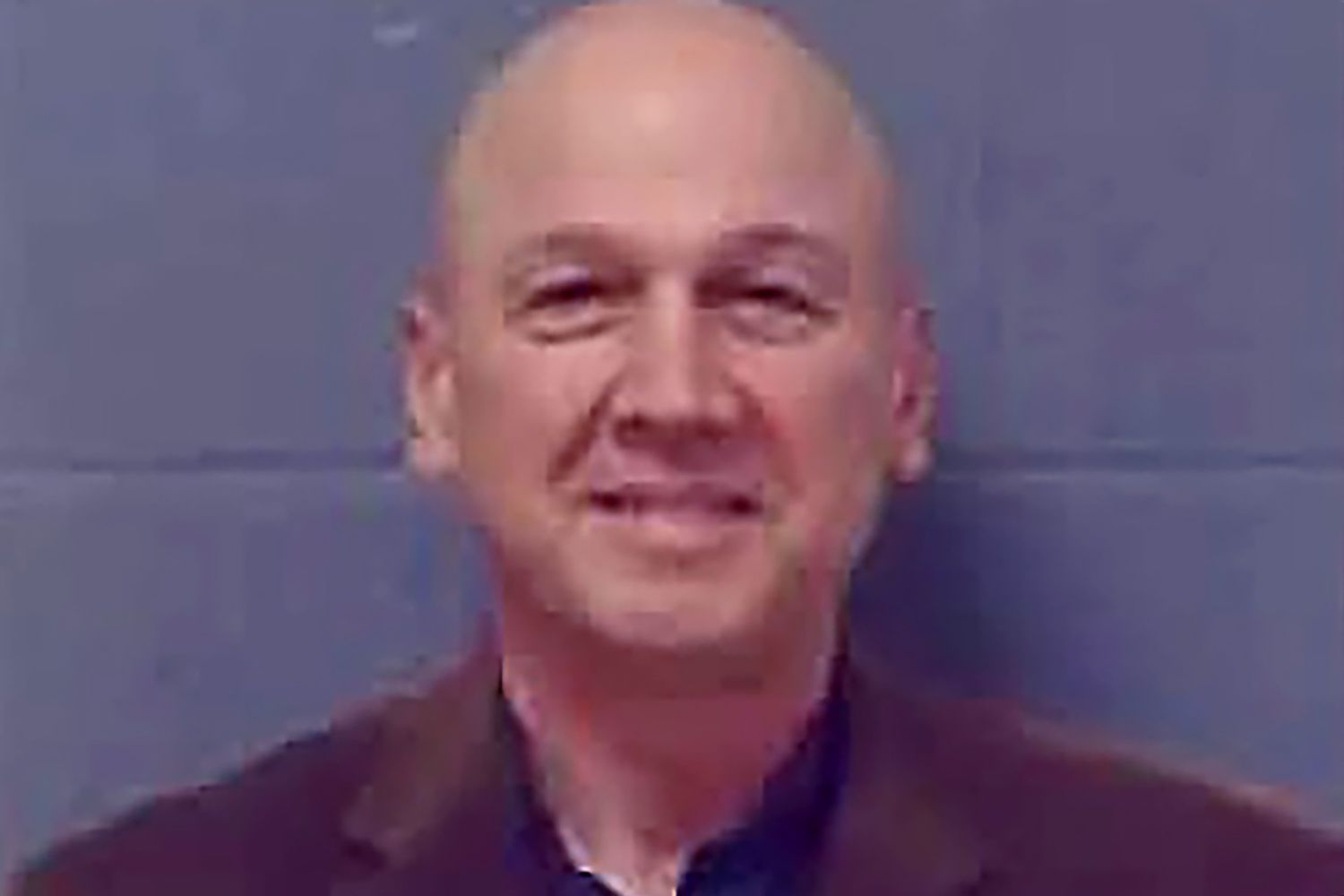
The guilty plea entered by a West Memphis pastor in early December has drawn significant public scrutiny and raised broader questions about accountability, animal welfare enforcement, and institutional responses within religious organizations. Charles Thessing, a 63-year-old Catholic priest who previously served as lead pastor at multiple churches in Arkansas, pleaded guilty to two counts of misdemeanor animal cruelty stemming from allegations that he trapped and drowned cats on his property.
Despite the seriousness of the accusations and the disturbing nature of the conduct described by animal shelter officials, Thessing will not serve any jail time. Instead, the court imposed financial penalties and restitution, a resolution that has prompted criticism from community members and animal welfare advocates alike. Court records from Crittenden County Circuit Court show that Thessing entered his guilty plea on Dec. 8, resolving charges that had been pending since his arrest earlier in the year.
He was ordered to pay a total of $3,000, including $2,250 in restitution to the West Memphis Animal Shelter, which played a central role in the investigation. The plea deal reduced the original felony charges to misdemeanors, significantly limiting the potential consequences he faced under Arkansas law. While the legal case has concluded, the controversy surrounding Charles Thessing’s conduct and subsequent reassignment within the Catholic Church continues to generate debate.
Details of the Investigation and Criminal Charges
The case against Charles Thessing originated in February, when the West Memphis Animal Shelter received a tip alleging that cats were being trapped and killed on his property. According to Kerry Facello, the shelter’s director, her team responded to the report and discovered multiple animal traps, a large tub filled with water, and the bodies of two deceased cats in a trash container. Facello stated that the evidence suggested a deliberate method in which cats were trapped in cages, submerged in water, and left there for extended periods.
Facello further alleged that Thessing would place the caged cats into the water-filled tub and leave them submerged for several hours before returning to remove the traps. These findings formed the basis of the initial charges, which included two counts of aggravated cruelty to a dog, cat, or equine. Under Arkansas law, aggravated animal cruelty is classified as a Class D felony and requires evidence that the defendant tortured the animals, a threshold prosecutors initially believed was met.
The West Memphis Police Department confirmed that Thessing’s arrest followed an incident involving improper care and treatment of an animal, though the department did not release detailed information beyond that statement. As the case progressed, prosecutors ultimately agreed to reduce the charges. Thessing pleaded guilty to two misdemeanor counts of animal cruelty rather than the original felony charges, avoiding the possibility of incarceration.
Read : Mongolia: A Beautiful Landlocked Country in East Asia Was Once an Ocean
At sentencing, the court declined to impose jail time. Instead, Thessing was ordered to pay fines, court costs, and restitution totaling $3,000. Of that amount, $2,250 was designated for the West Memphis Animal Shelter, reflecting the shelter’s involvement in the investigation and care for animals affected by cruelty cases. The resolution effectively closed the criminal proceedings but left unresolved questions about whether the punishment was proportionate to the conduct described.
Community Reaction and Public Criticism
The outcome of the case has prompted strong reactions from residents in Arkansas and Louisiana, particularly as news emerged that Thessing was preparing to take on a new assignment within the Catholic Church. Critics have argued that the absence of jail time sends the wrong message about the seriousness of animal cruelty offenses and undermines public confidence in the justice system.
Read : Louisiana Pastor Milton Otto Martin III Convicted of Indecent Behavior with a Juvenile
Some community members expressed concern that Thessing’s position as a religious leader may have influenced the resolution of the case. Shreveport resident Mark Richman voiced frustration, stating that anyone in a position of authority who abuses living beings should face severe consequences. He argued that leadership within a faith community carries heightened moral responsibility and that violations of that trust warrant stricter punishment.
Others focused on the perceived disparity between how clergy members and ordinary citizens are treated by the legal system. Shreveport resident Mia Francis questioned whether a non-clergy defendant accused of similar conduct would have avoided jail time, suggesting that the plea deal appeared unfair to the broader community. Such reactions reflect a wider concern that status or institutional affiliation can affect outcomes in criminal cases, particularly those involving ethical or moral violations.
Animal welfare advocates have also criticized the plea agreement, emphasizing that drowning is widely recognized as a cruel and inhumane method of killing animals. They argue that cases involving prolonged suffering should be treated with greater severity to deter similar conduct and reinforce legal protections for animals. While misdemeanor convictions still carry legal consequences, advocates contend that the lack of incarceration diminishes the deterrent effect of the law.
Church Response and Future Assignment
At the time of his arrest, Thessing was serving as lead priest at St. Mark’s Catholic Church in West Memphis and Sacred Heart of Jesus Church in Crawfordsville, Arkansas. Following the filing of charges, he was removed from those posts while the case was pending. The Diocese of Little Rock, which oversees Catholic parishes in Arkansas, suspended him from pastoral duties during the investigation, a step consistent with church protocols when clergy members face criminal allegations.
Despite the criminal case, a publication of the Catholic Church later announced that Thessing had been appointed to begin a new assignment in the Diocese of Shreveport, effective Jan. 1. While the specific nature of the assignment has not been disclosed, the announcement confirmed that he would remain incardinated in the Diocese of Little Rock, meaning he remains formally attached to that diocese despite working elsewhere.

The announcement of his reassignment has intensified public concern, particularly among residents in Louisiana who fear that Charles Thessing could return to a role involving leadership or influence within a faith community. When KTBS 3 sought comment from the Diocese of Shreveport, Tracie Stroud, the diocese’s director of communications, stated that there would be no comment at that time, though she acknowledged that the diocese understands the public’s concerns. Further questions about whether Thessing would be working directly with a church were met with the same response.
The limited public communication from church officials has left many unanswered questions about the safeguards in place to address misconduct by clergy members. Critics argue that transparency is essential to rebuilding trust, particularly in cases where criminal behavior intersects with moral authority. Supporters of the church’s approach note that internal disciplinary processes often operate separately from criminal courts and may include restrictions or oversight not visible to the public.
The Diocese of Little Rock’s decision to suspend Charles Thessing during the investigation suggests that church leaders took the allegations seriously, at least procedurally. However, the subsequent reassignment has raised concerns about whether sufficient consideration was given to the nature of the offense and its potential impact on parishioners. Without clear information about the scope of his new duties, speculation continues about the balance between accountability, rehabilitation, and institutional responsibility.
The case of Charles Thessing underscores the complex intersection of criminal law, community expectations, and religious governance. While the legal system resolved the matter through a plea agreement that emphasized financial penalties over incarceration, public reaction indicates that many view the outcome as inadequate given the allegations involved. As Thessing prepares to begin a new chapter in his clerical career, the controversy surrounding his actions serves as a reminder that legal conclusions do not always align with societal expectations of justice and moral responsibility.
Yo, I would say bet88comvn is quite good, if not the best. I’ve been winning big in this platform. I would say I’d recommend this bet88comvn
**mitolyn reviews**
Mitolyn is a carefully developed, plant-based formula created to help support metabolic efficiency and encourage healthy, lasting weight management.