

A simple act of accountability and integrity has captured widespread attention after a mother in Baltimore chose to confront wrongdoing within her own family rather than ignore it. The moment, recorded during a livestream at a local food truck, shows Pastor Tonya Gray approaching the vendor to return money her son had previously stolen from a tip jar. What could have remained a minor incident instead became a powerful example of responsibility, parenting, and community values.
The interaction resonated with viewers not because of the amount involved, but because of the message it carried about ownership of mistakes, the importance of making amends, and the role families play in shaping behavior. The vendor, a well-known livestreamer who regularly broadcasts his work and daily life, had unknowingly been the victim of a small theft when Gray’s son took money from the tip jar while he was distracted.
The act was later discovered through recorded footage. Rather than dismiss the situation or remain silent, Gray took it upon herself to correct it directly. Her decision to return the money personally, accompanied by a candid acknowledgment of her son’s actions, turned a negative incident into a moment of reflection and connection.
A Public Act of Accountability and Restitution
The video shows Pastor Tonya Gray approaching the food truck window calmly and respectfully, introducing herself as the mother of the individual who had taken the money. Her tone was direct but not defensive, making it clear that she was there to take responsibility rather than argue or minimize what had happened. When she asked how much had been taken, the vendor estimated it to be around thirty dollars. Without hesitation, she reached into her purse and replaced the amount in the tip jar.
Her words during the exchange reflected a strong moral stance shaped by personal values and discipline. She emphasized that her son had not been raised to steal and acknowledged that his actions were unacceptable. At the same time, she offered context, explaining that her son struggles with alcohol and sometimes makes poor decisions under its influence. This explanation did not come across as an excuse, but rather as an acknowledgment of a deeper issue that needed attention.
The significance of this moment lies in its transparency. Instead of handling the situation privately or ignoring it altogether, Gray chose to address it in the same public space where the wrongdoing occurred. This act restored not only the stolen money but also a sense of fairness and dignity to the vendor, who was simply working to earn a living. By doing so, she reinforced the idea that accountability should be visible and meaningful, not hidden or avoided.
The mother of the person who stole from Twitch streamer “Musa_usa” tip jar went on his stream, returned the money, apologized on behalf of her son, and they ended up hugging pic.twitter.com/maT2evv5jG https://t.co/Ea5nsuloeE
— FearBuck (@FearedBuck) April 1, 2026
The vendor’s reaction further highlighted the emotional weight of the encounter. Clearly moved by her honesty and effort, he expressed gratitude and stepped out of the truck to embrace her. The exchange went beyond a financial transaction and became a shared moment of empathy and understanding. It demonstrated how acts of accountability can foster human connection rather than conflict, even in situations involving wrongdoing.
Parenting, Responsibility, and Facing Difficult Truths
At the heart of this story is a broader conversation about parenting and the challenges of holding loved ones accountable. Pastor Tonya Gray made it clear that her actions were not about punishment but about responsibility. She emphasized that loving a child does not mean ignoring their mistakes. Instead, it involves guiding them through consequences and helping them confront the impact of their behavior.
Her statement that “our children are not trash, they are troubled” reflects a compassionate but firm perspective. It acknowledges that individuals can make poor choices without being defined entirely by them. However, it also underscores the importance of addressing those choices rather than dismissing them. Gray’s approach combines accountability with support, showing that discipline and care are not mutually exclusive.
Read : Who Is Andrew Wheeler, Baltimore Bar Owner Starring in Netflix’s ‘Age of Attraction’?
She also spoke openly about taking steps to help her son, including placing him in treatment. This highlights another important aspect of the situation: addressing the root causes of harmful behavior. By recognizing that her son’s actions may be linked to underlying struggles, she demonstrated a commitment to long-term change rather than short-term correction. Her response suggests that accountability should extend beyond the immediate incident and include efforts to prevent future harm.
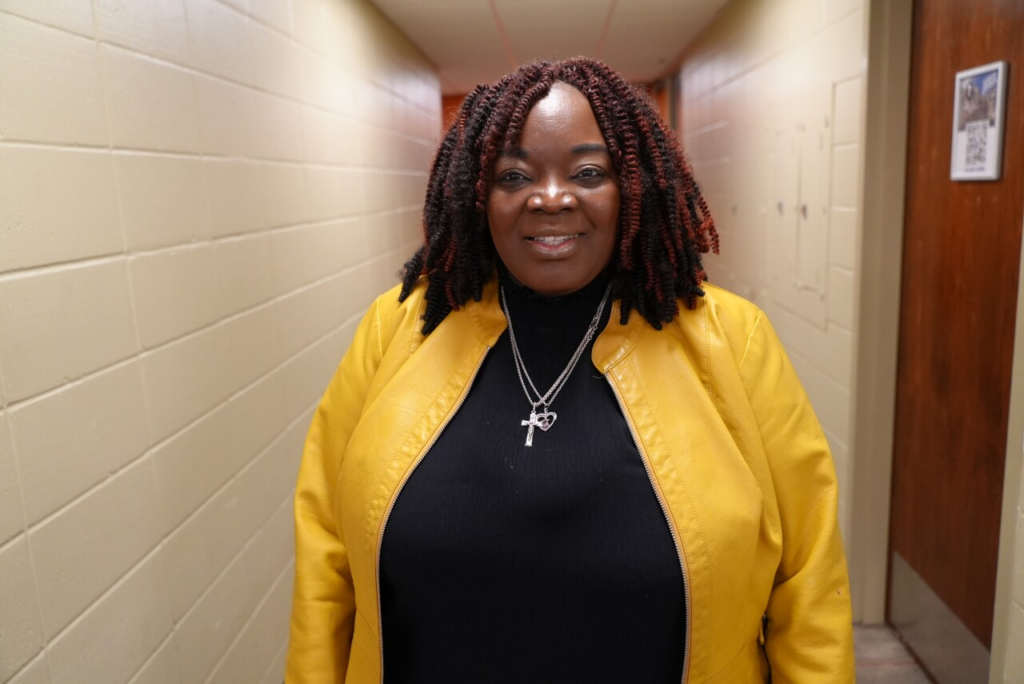
For many parents, situations like this can be deeply challenging. There is often a tension between protecting one’s child and acknowledging their mistakes. Pastor Tonya Gray’s decision to prioritize honesty over embarrassment offers a model for navigating this tension. She encouraged other parents not to look away from difficult situations or allow shame to prevent them from taking action. According to her, ignoring wrongdoing only allows it to grow, while confronting it creates an opportunity for growth and improvement.
Her message also extends to the idea of community responsibility. By addressing the situation publicly, she not only corrected her son’s actions but also sent a broader message about shared values. It reinforces the idea that communities function best when individuals hold themselves and each other accountable, creating an environment where respect and fairness are upheld.
A Viral Moment That Sparked a Larger Conversation
The video quickly spread across social media, drawing widespread praise for Pastor Tonya Gray’s actions. Viewers were struck by the rarity of such a clear and direct response to wrongdoing, particularly in a public setting. In a digital landscape often dominated by conflict and negativity, the clip stood out as an example of integrity and compassion working together.
Many people highlighted the courage it takes to admit fault, especially when it involves a family member. Others focused on the importance of making amends, noting that even small acts of restitution can carry significant meaning. The story resonated with audiences across different backgrounds because it touched on universal themes of responsibility, forgiveness, and the desire to do what is right.

The vendor’s response also contributed to the positive reception. His willingness to accept the apology and express gratitude reinforced the idea that accountability can lead to resolution rather than escalation. His statement about valuing peace, respect, and love captured the tone of the interaction and helped frame it as a moment of mutual understanding rather than conflict.
Beyond the immediate reactions, the incident sparked broader discussions about how society handles minor offenses and personal responsibility. Some viewers reflected on how often similar situations go unaddressed, with individuals choosing to ignore or justify wrongdoing. Others saw it as a reminder that change begins with small, deliberate actions taken by individuals willing to stand up for what is right.
The story also highlights the role of social media in amplifying everyday moments. Without the livestream recording, this interaction might have gone unnoticed outside a small circle. Instead, it reached a global audience, turning a local act of accountability into a widely discussed example of ethical behavior. This demonstrates both the power and responsibility that comes with digital platforms, where ordinary actions can quickly become influential narratives.
In the end, the impact of this moment lies not in the money returned but in the values it represents. It shows that accountability is not about perfection but about taking responsibility when mistakes occur. It illustrates that parenting involves both love and discipline, and that addressing problems directly can lead to meaningful change. Most importantly, it serves as a reminder that even in difficult situations, individuals have the ability to choose integrity and make things right.