
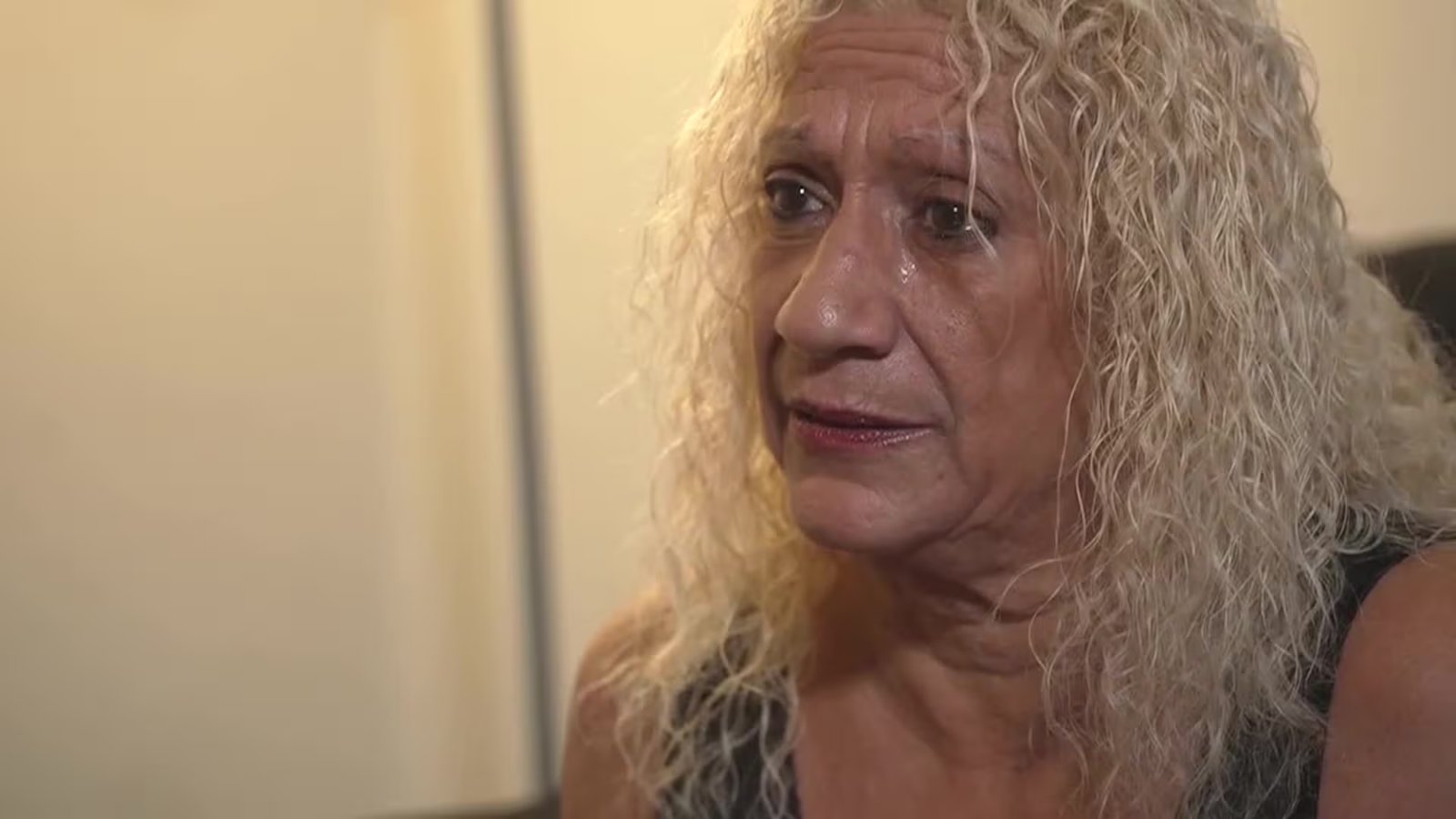
Patricia Shields never expected that moving into a new apartment would lead to a medical emergency that permanently altered her life. What began as a routine transition into housing at Grand Oak Apartments in Largo, Florida, quickly escalated into a serious health crisis that resulted in the amputation of two toes. Shields now alleges that persistent spider infestations in her apartment, combined with what she describes as repeated inaction by property management, directly contributed to her injuries.
Her lawsuit has drawn attention to questions of tenant safety, property maintenance obligations, and the severe consequences that can arise when reported hazards are not adequately addressed. According to Shields, she moved into the apartment complex in November after losing her previous cottage home to Hurricane Helene. Already in a vulnerable position due to limited housing options and reliance on disability income, she says she noticed spiders inside her apartment within weeks of moving in.
What initially appeared to be a nuisance soon turned into a recurring and frightening problem, with spiders appearing frequently, particularly in the bathroom. Patricia Shields claims that she was bitten multiple times over an extended period, leading to worsening physical symptoms that she initially did not realize would become life-threatening.
Her experience, now the subject of legal proceedings, underscores the intersection of health risks, housing insecurity, and accountability. While the defendants named in the lawsuit have denied responsibility, the case raises broader issues about how apartment complexes respond to pest infestations and the potential consequences when those responses are deemed insufficient.
Allegations of a Persistent Spider Infestation and Medical Consequences
Patricia Shields has stated that she first noticed spiders in her apartment roughly two weeks after moving in. She described seeing them constantly, with bites occurring repeatedly, most often while she was using the bathroom. Over time, these bites reportedly became more severe, resulting in swelling, pain, and oozing wounds. Shields has said that the repeated bites left her frightened and unsure of how to protect herself within her own home, a place where she should have felt safe.
As her condition worsened, Shields sought medical attention at an urgent care facility. According to her account, medical staff there were alarmed by the severity of her injuries and arranged for her to be transported by ambulance to a hospital. It was at the hospital, Shields says, that doctors informed her that the infections had progressed to a point where amputation was necessary to prevent further spread. She has recalled being told that without the procedure, she could lose not only her foot but potentially her leg.
Read : 16-Year-Old Noah Johnson Suffers Kidney Failure After Spider Bite
The loss of two toes represented a profound physical and emotional shock. Shields has described the moment as horrifying, saying she initially struggled to believe what doctors were telling her. Beyond the immediate trauma of surgery and recovery, the amputations have had lasting effects on her mobility, comfort, and overall quality of life. For someone already living with disabilities, the impact has been especially significant, adding new challenges to her daily routine.
Read : Top Ten Selfie Spots to Capture the Essence of Denmark
Medical experts often note that while many spider bites are harmless, certain species can cause serious reactions, especially if infections develop or if wounds are not treated promptly. Shields’ lawsuit does not hinge on identifying a specific species of spider but instead focuses on the alleged presence of an ongoing infestation and the apartment complex’s responsibility to maintain a safe living environment. Her claims emphasize that repeated exposure and untreated conditions created a dangerous situation that ultimately led to irreversible harm.
Claims of Negligence and Disputed Responsibility
Central to Shields’ lawsuit is her allegation that she repeatedly reported the spider problem to the management of Grand Oak Apartments and that those complaints were not addressed in a meaningful or timely way. She claims that she informed the complex multiple times about the infestation and sought help to resolve the issue, but felt her concerns were dismissed or ignored. According to her account, requests for assistance were either brushed aside or failed to result in effective pest control measures.
Shields has also stated that when she later asked to be released from her lease under a mutual agreement, citing the unsafe living conditions, her request was denied. She argues that this left her trapped in an environment that continued to pose a risk to her health. For someone with limited financial resources and reliance on Section 8 housing, the inability to easily relocate compounded the problem. Shields has said her options for alternative accommodations were extremely limited, making it difficult to simply leave the apartment despite her growing fears.

The lawsuit accuses the apartment complex and other named defendants of negligence, asserting that they failed to fulfill their duty to maintain habitable conditions. In many jurisdictions, landlords are legally required to address pest infestations and ensure that rental properties meet basic health and safety standards. Shields’ legal filing contends that the alleged failure to effectively respond to her complaints directly contributed to the injuries she suffered.
The defendants, however, have denied Shields’ allegations. According to statements attributed to them, they dispute responsibility for causing her injuries and damages. While details of their defense have not been fully outlined publicly, such cases often involve arguments about whether proper notice was given, whether reasonable steps were taken to address reported issues, and whether the injuries can be conclusively linked to conditions within the property. These questions are likely to be examined closely as the case proceeds.
Regardless of the eventual legal outcome, the dispute highlights the challenges tenants can face when seeking action from property managers, particularly when health concerns are involved. It also underscores the complexity of proving causation in cases where medical conditions and environmental factors intersect.
Housing Insecurity, Recovery, and Broader Implications
Shields’ situation is further shaped by her broader circumstances. Before moving into Grand Oak Apartments, she lost her previous home to Hurricane Helene, a disaster that forced her to seek new housing under difficult conditions. Relying on disability income and Section 8 assistance, she has said her choices were already constrained, leaving her with little flexibility when problems arose in her new apartment.

The physical consequences of losing two toes extend beyond the immediate medical event. Amputation can affect balance, gait, and long-term mobility, often requiring physical therapy and ongoing medical care. For Shields, these challenges are layered onto existing disabilities, potentially increasing her dependence on assistance and limiting her independence. Her lawsuit seeks monetary compensation, which she says would help her address the lasting effects of her injuries and move forward with her life.
Beyond the individual case, the lawsuit brings attention to broader issues affecting renters, particularly those in vulnerable situations. Pest infestations are a common complaint in multi-unit housing, and while many are resolved without incident, Shields’ allegations illustrate how severe the consequences can be if such issues are not handled effectively. The case may prompt renewed scrutiny of how apartment complexes document and respond to tenant complaints, as well as how they ensure that pest control measures are thorough and timely.
Public reaction to cases like this often reflects wider concerns about housing standards and tenant rights. For individuals with limited housing options, the balance of power between tenants and property managers can feel uneven, making it difficult to advocate for repairs or accommodations without fear of retaliation or eviction. Shields’ decision to pursue legal action suggests an effort to seek accountability and recognition of the harm she says she endured.
As the legal process continues, the court will ultimately determine whether the apartment complex and other defendants bear responsibility for Shields’ injuries. In the meantime, her story stands as a stark reminder of how environmental conditions within a home can have serious health implications. Shields has said that her primary goal is to have the matter settled so she can return, as much as possible, to the life she had before the incident, underscoring the deeply personal toll behind the legal claims.