
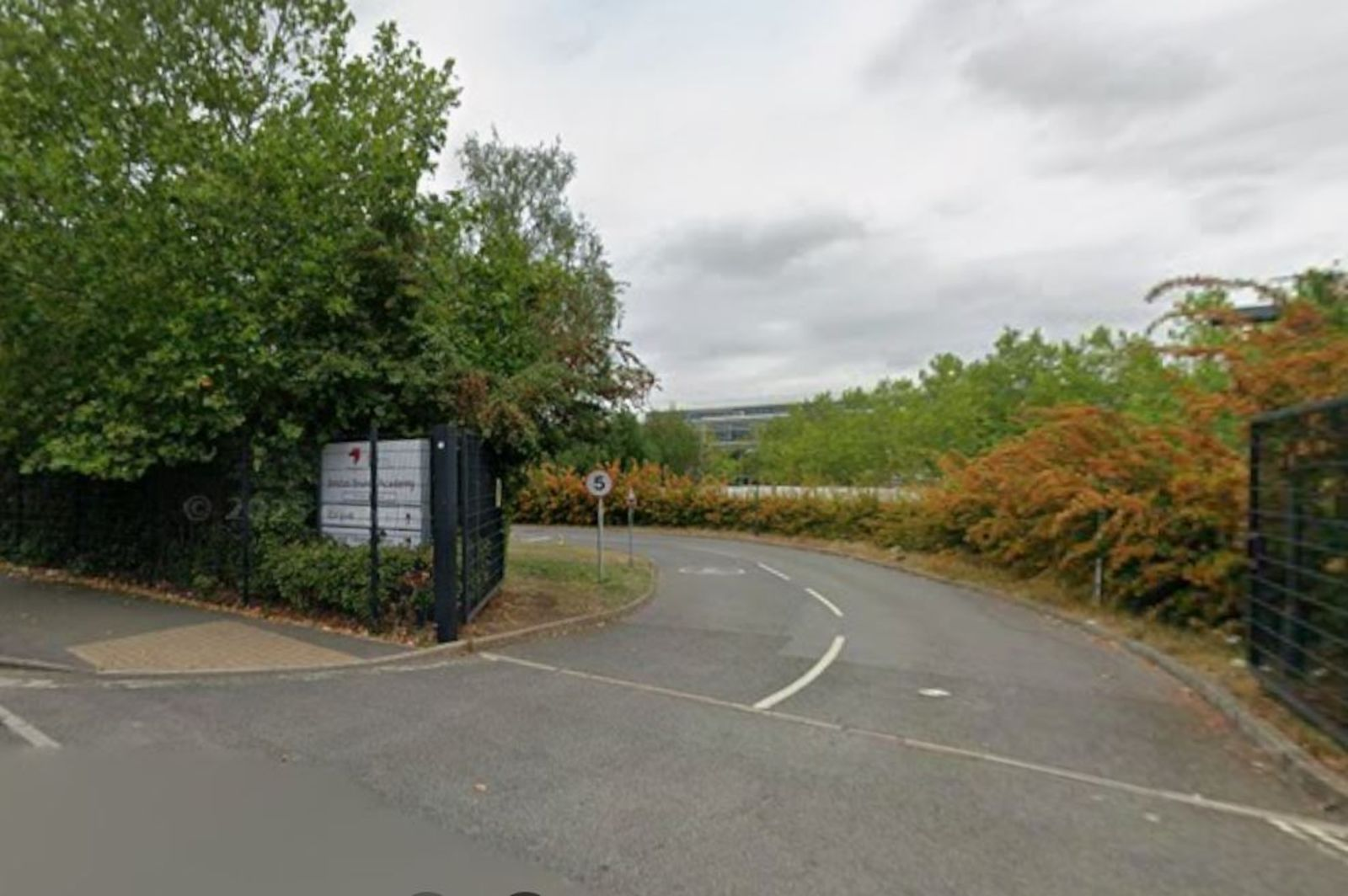
The banning of 62-year-old teacher Patrick Lawler has drawn significant attention in the United Kingdom, raising serious questions about professional responsibility, safeguarding in education, and the limits of personal opinion within the classroom. Lawler was prohibited from teaching indefinitely after a regulatory panel found that he had repeatedly made false, offensive, and inappropriate statements to pupils, including claims that civil rights icon Rosa Parks “did not really exist” and that Martin Luther King Jr. was a “fraud.”
These remarks, delivered to children as young as year six, were deemed not only factually incorrect but also harmful to pupils’ understanding of history and social issues. The case highlights the strict expectations placed on educators to present balanced, evidence-based material and to maintain professional standards at all times, particularly when addressing sensitive historical and social topics.
Classroom Claims and the Initial Complaint
Patrick Lawler’s most controversial comments emerged during a transition day lesson involving year six pupils, which was reportedly intended to focus on medieval history. Instead, the session took a starkly different turn when discussion shifted to modern civil rights figures. According to witness accounts presented to a Teaching Regulation Agency panel, Lawler told pupils that Rosa Parks “did not really exist” and that the famous Montgomery bus boycott incident had been staged.
He further claimed that Martin Luther King Jr. was a “fraud,” alleging that he had illegally changed his name, fraudulently obtained his doctorate, and embezzled money. The remarks came to light after a parent lodged a complaint, prompting an investigation into the lesson’s content and Lawler’s broader conduct. Witnesses described how Lawler displayed a photograph of Martin Luther King Jr. toward the end of the lesson, and when questioned by pupils, launched into the disputed claims.
Some older students present reportedly relayed their concerns to staff, indicating that the tone and substance of the lesson were confusing and unsettling. The regulatory panel later concluded that pupils of this age group “do not have the ability to explore, test and challenge minority views which are presented in an unbalanced fashion.”
Read : Top Ten Tourist Attractions to Avoid for Crowd-Averse Travelers
This assessment underscored a central issue in the case: while critical thinking is encouraged in education, younger pupils rely heavily on teachers as trusted authorities. Presenting unsupported or fringe views as fact, particularly without context or balance, was found to breach professional expectations and to risk misleading children at a formative stage of their education.
Pattern of Conduct and Wider Allegations
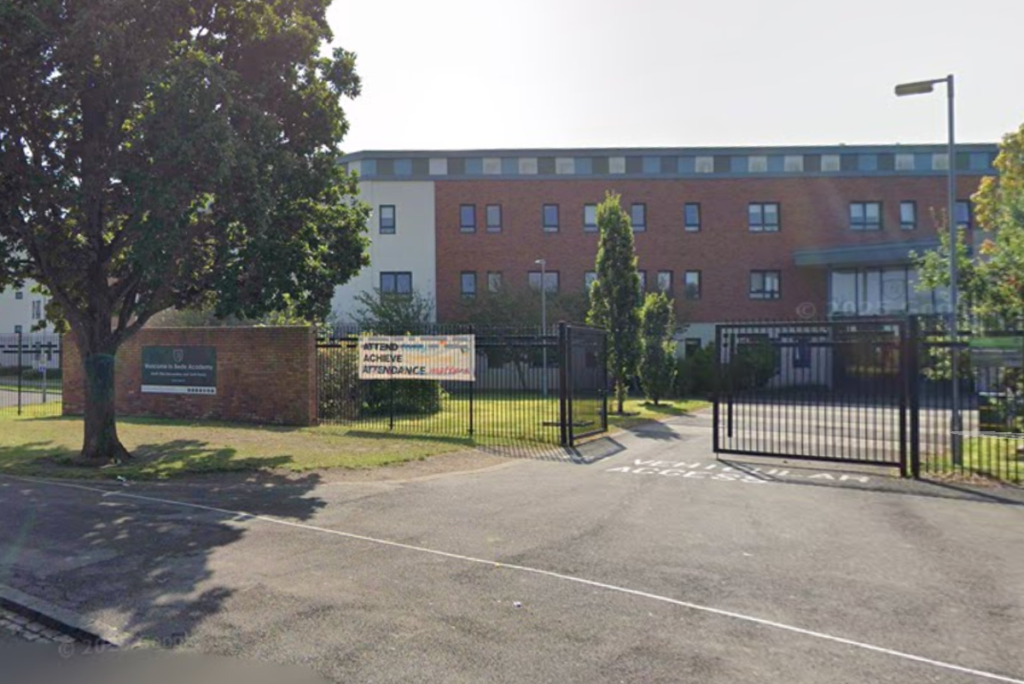
The classroom incident involving Rosa Parks and Martin Luther King Jr. was not an isolated matter. Investigators examined Lawler’s conduct during his time teaching at Bede Academy in Northumberland between 2015 and 2020, uncovering a pattern of behaviour that extended beyond a single lesson. The panel reviewed evidence of multiple comments and materials that were considered offensive, discriminatory, or unprofessional.
Read : Former Manatee County Teacher Jarrett Williams Charged with Aggravated Stalking 11-Year-Old Student
Among these were statements made in online newsletters that Lawler authored or co-authored, in which he described sex between two men as “unnatural, unhealthy, disgusting perversion.” He also made Islamophobic remarks, referring to Islam as “demonic” and “satanically inspired.” In the classroom, pupils reported that he had told them in late 2020 that “back in the day you used to be able to get cocaine purer,” a comment entirely unrelated to educational content and deemed wholly inappropriate.
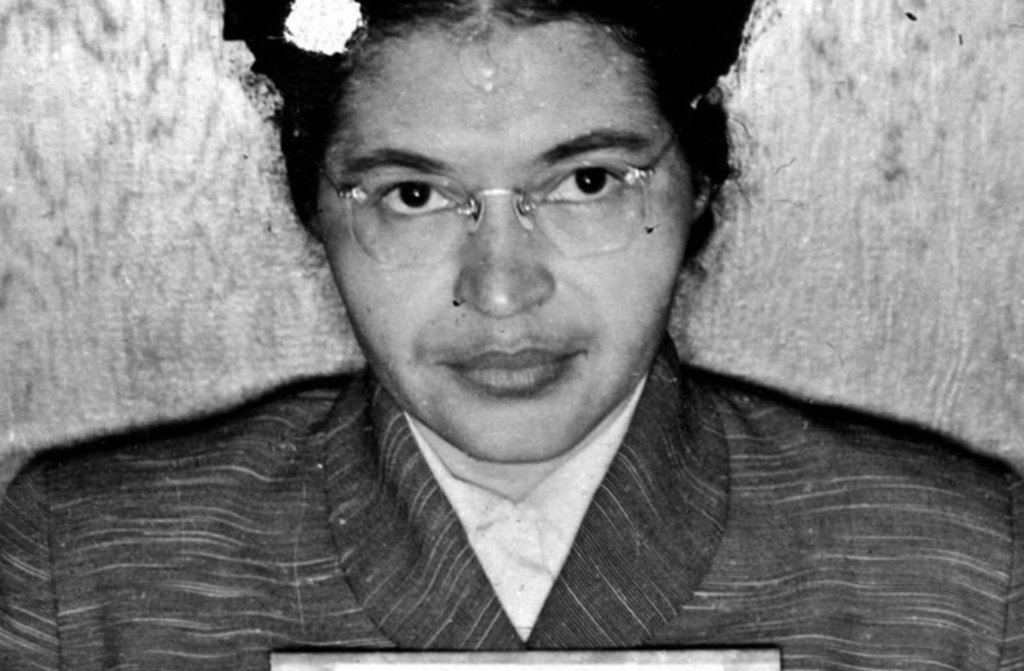
Further allegations included remarks suggesting that the Black Lives Matter movement stood for “Burn, Loot, Murder,” and claims that there was no scientific proof of COVID-19. These statements, presented to pupils without factual support, raised concerns about misinformation and the potential impact on young people’s understanding of current affairs and public health.
Lawler was issued a warning letter in 2019 and became subject to disciplinary action in December 2020. He resigned during the course of that investigation. However, concerns about his conduct did not end there. After moving on to Monarch Education, further accusations of unprofessional behaviour emerged, prompting Bristol’s Local Authority Designated Officer to convene a strategy meeting in November 2025. This meeting led to Lawler being formally referred to the Teaching Regulation Agency, with investigators considering both his classroom conduct and aspects of his private life insofar as they related to his professional role.
Regulatory Decision and Professional Consequences
In December 2025, a Teaching Regulation Agency panel found Patrick Lawler guilty of unacceptable professional conduct. The panel concluded that his actions had brought the teaching profession into disrepute and posed a risk to the wellbeing of pupils. Chairwoman Louisa Munton cited several aggravating factors in the decision to impose an indefinite prohibition on teaching, including the serious nature of the misconduct, the absence of evidence showing insight or remorse, and concerns about the likelihood of repetition.
The ruling emphasised that teachers occupy a position of trust and authority, particularly with younger pupils, and that this trust carries a responsibility to present information accurately and respectfully. While academic debate and critical examination of historical narratives have a place in education, the panel found that Lawler’s approach lacked balance, factual grounding, and age-appropriate context. His repeated use of inflammatory language and promotion of personal views were deemed incompatible with the standards expected of a professional educator.
Under the terms of the ban, Lawler is prohibited from teaching indefinitely but may apply for a review after four years. Such a review would require him to demonstrate genuine insight into his misconduct, evidence of remediation, and assurances that he could meet professional standards in the future. Until then, the ruling serves as a clear statement about the boundaries of acceptable conduct in education and the mechanisms in place to enforce them.
The case has also reignited broader discussion within the education sector about safeguarding, curriculum oversight, and the handling of controversial topics in schools. Regulators and school leaders alike have pointed to the importance of robust training, clear policies, and swift responses to complaints in maintaining trust between schools, parents, and the wider community.
Hey folks, anyone tried their luck with 777uaelottery? Dreaming of getting a big win. For those interested, go check out 777uaelottery!