

The 2020 wildfire season in California was one of the most destructive in recent memory, marked by intense blazes, thousands of acres burned, and heartbreaking human loss. Among the heroes who risked—and, in some cases, gave—their lives during that season was Michael Fournier, a 52-year-old pilot who perished when his firefighting helicopter crashed in Fresno County.
Nearly five years later, Michael Fournier’s family has secured a $15 million settlement from the aviation maintenance company responsible for servicing the aircraft. The tragic incident and the recent legal resolution highlight not only the immense dangers faced by aerial firefighters but also the critical importance of rigorous maintenance and accountability in aviation operations.
A Hero’s Final Mission
On August 19, 2020, Michael Fournier was carrying out one of the most dangerous yet vital tasks in wildfire suppression—conducting water drops to combat the rapidly spreading Hills Fire.
Located roughly 10 miles south of Coalinga in Central California, the Hills Fire had already scorched rugged terrain, making ground-based firefighting efforts difficult. Fournier was flying a Bell UH-1H helicopter on behalf of Guardian Helicopters, a private firm contracted by Cal Fire for aerial support.
That day, as he navigated treacherous, smoke-filled skies to aid ground crews, Fournier’s helicopter experienced a catastrophic hydraulic system failure. Moments before the crash, he managed to radio air traffic control to report hydraulic issues. Tragically, his warning was followed by disaster. The helicopter lost control and plummeted into the rocky landscape below. The pilot did not survive the impact.
Read : Nearly 700 Koalas Shot Dead From Helicopters to Save Them From Suffering After Massive Wildfire
The crash site was so remote and inaccessible that it took nearly four hours for the Fresno County Sheriff’s Department’s search and rescue team to reach it. The team consisted of 14 rescuers who had to drive Jeeps through difficult terrain cloaked in dense wildfire smoke.
Read : Our Pilots Not Capable of Flying Aircraft Given by India: Maldives Defence Minister
Eventually, they were forced to abandon their vehicles and proceed on foot. Upon reaching the wreckage, they found Michael Fournier’s body and honored his sacrifice by wrapping his remains in an American flag before carrying him from the scene. It was a somber moment that underlined the bravery and selflessness of those who put their lives on the line to protect others.
Mechanical Failure and Legal Reckoning
The crash raised immediate questions about how such a failure could have occurred during an active firefighting operation. Investigators from the National Transportation Safety Board (NTSB) launched a comprehensive examination of the incident.
Their final report concluded that the primary cause of the crash was a failure in the helicopter’s hydraulic system—a critical component that allows pilots to control the aircraft effectively.
The helicopter had been recently serviced by Rotorcraft Support, Inc., an aviation maintenance firm responsible for ensuring the airworthiness of the aircraft. According to the findings and legal filings, the malfunction pointed to deficiencies in the servicing or oversight of the hydraulic system. Michael Fournier’s family, seeking justice and accountability, pursued legal action against Rotorcraft Support.
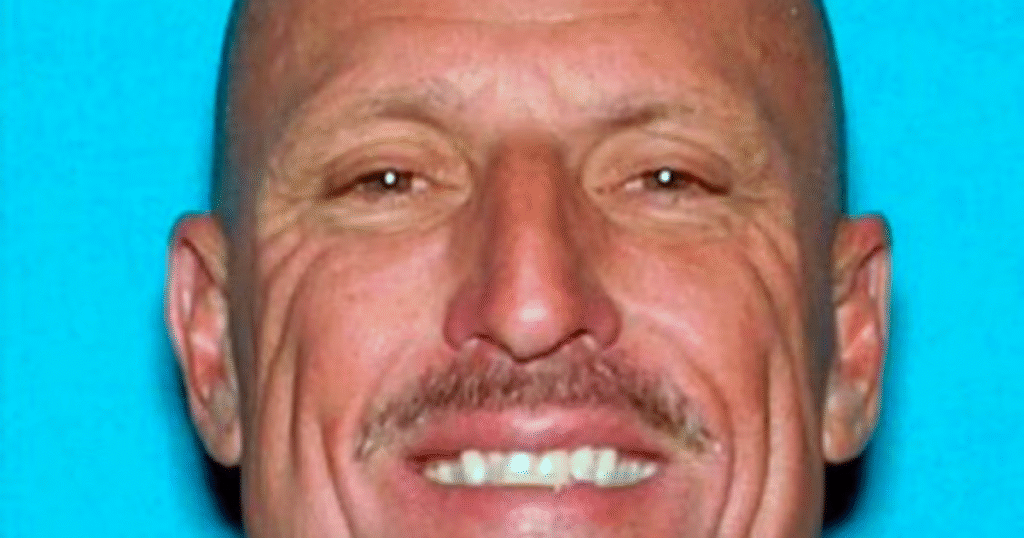
Attorney Andrew Robb, who represented the Fournier family, stated that the lawsuit aimed to not only hold those responsible accountable but also to shed light on systemic flaws that could endanger other pilots. “The Fournier family’s lawsuit sought accountability and answers, and this outcome does just that,” Robb said after the settlement was announced.
On Friday, Rotorcraft Support agreed to a $15 million settlement with the family. While the company has not issued a public statement or responded to media inquiries, the settlement stands as a recognition—if not an admission—of the role that maintenance failures may have played in the tragedy.
For the Fournier family, the settlement brings a measure of closure, though it cannot undo the loss of a beloved husband, father, and public servant. The family has chosen not to comment publicly on the matter, allowing the facts and outcome to speak for themselves.
The Hidden Dangers of Aerial Firefighting
The death of Michael Fournier is a stark reminder of the many hazards faced by aerial firefighters, a group whose contributions are often overshadowed by the more visible efforts of ground crews.
Pilots like Fournier operate in some of the most perilous environments imaginable—thick smoke, poor visibility, mountainous terrain, and intense heat are all part of their daily reality. The aircraft themselves are often pushed to their limits, flying multiple missions in quick succession and operating at low altitudes under extreme conditions.
Yet despite these dangers, pilots willingly take to the skies, driven by a sense of duty and the knowledge that their efforts are saving lives, property, and natural resources. Their bravery deserves not only recognition but also the utmost support in terms of equipment reliability and safety protocols.
Mechanical failure, such as the hydraulic malfunction that brought down Michael Fournier’s helicopter, is a particularly cruel way for a mission to end. Unlike weather or human error, mechanical issues are preventable through proper inspection, routine servicing, and rigorous maintenance standards. When these standards are not met—whether due to oversight, cost-cutting, or mismanagement—the consequences can be fatal.
The Fournier settlement emphasizes the need for stricter accountability in aviation maintenance. It also reinforces the value of transparency in accident investigations, which help identify weaknesses in systems and prevent future tragedies. The role of the NTSB and other investigative bodies is crucial in this regard, but so too is the legal system’s capacity to enforce responsibility when failures occur.
In recent years, the increasing severity of wildfire seasons has placed additional strain on firefighting resources, including aircraft and their crews. As California and other states face longer fire seasons and more intense blazes, the pressure on aerial firefighting services will only grow. Ensuring the reliability and safety of these critical operations is no longer optional—it is a moral imperative.
Michael Fournier’s story serves as both a tribute and a cautionary tale. He exemplified the courage of those who fly into danger so others might be spared. His loss has now become a catalyst for change, prompting a deeper examination of how firefighting aircraft are maintained and how pilots are protected.
While no financial settlement can replace a life lost, it can serve to illuminate the broader responsibilities of companies and agencies tasked with supporting public safety efforts. For Michael Fournier’s family, the $15 million settlement is a formal acknowledgment of his sacrifice and a demand for higher standards moving forward.
His name, now etched in the annals of firefighting heroism, will serve as a reminder of what’s at stake when we fail to uphold our responsibilities to those who risk everything.