
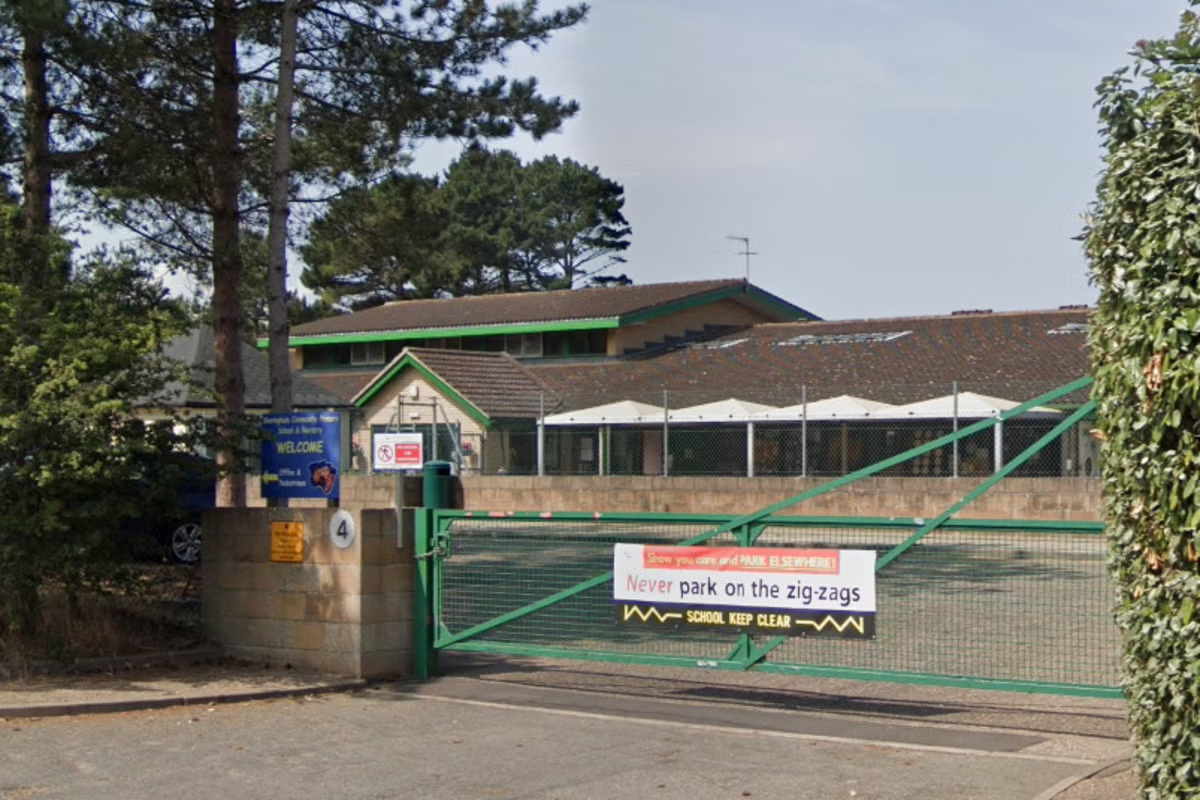
In a decision that underscores the stringent safeguarding standards in education, Joshua Roper, a 30-year-old former physical education teacher at Sheringham Community Primary School in Norfolk, has been indefinitely prohibited from teaching in England. The ban, imposed by the Secretary of State for Education on August 26, 2025, follows a Teaching Regulation Agency (TRA) panel hearing that concluded Roper’s conduct constituted unacceptable professional misconduct and brought the teaching profession into disrepute.
The allegations, centered on inappropriate interactions with young female football players he coached outside school hours, highlight ongoing challenges in maintaining professional boundaries in extracurricular roles. Joshua Roper, who joined the school in January 2018 as Head of PE and class teacher, left the institution at the end of December 2023. While the incidents did not involve school pupils, the TRA found his actions sexually motivated, severely impacting the victims and eroding public trust in educators.
The case, heard by a TRA panel from August 18 to 21, 2025, involved three female children—referred to as Child A, Child B, and Child C—all of whom were under Roper’s coaching supervision with a local women’s football team affiliated with North Walsham Town FC. Concerns surfaced in 2022 when four children reported Joshua Roper’s behavior to senior players and a club manager, prompting an investigation by the Football Association (FA).
This marked the second time such issues had arisen; in 2017, prior to his school appointment, the FA had investigated Roper for sending texts to a 15-year-old girl deemed potentially inappropriate. That probe concluded without substantiation by January 2018, after Joshua Roper underwent a safeguarding workshop and reapplied for a criminal record check. Despite this prior training, the panel determined Roper showed a profound lack of insight, repeating boundary-crossing behaviors that escalated in nature.
Joshua Roper admitted partial facts but denied any sexual intent, framing his communications as “banter” or slips of the tongue. However, the panel, weighing witness testimonies and digital evidence, found the allegations proven on the balance of probabilities. The decision maker, Sarah Buxcey, emphasized that Roper’s actions breached core Teachers’ Standards, including the duty to treat pupils with dignity, uphold professional boundaries, and prioritize child welfare under Keeping Children Safe in Education (KCSIE) guidelines.
The prohibition order carries no review period, barring Joshua Roper from working in any school, sixth form college, youth accommodation, or children’s home. This indefinite measure reflects the TRA’s commitment to protecting vulnerable children and upholding the profession’s integrity, especially given the grooming-like patterns identified.
Background and Professional Role of Joshua Roper
Joshua Roper’s career in education and sports coaching began with promise but unraveled under scrutiny of repeated safeguarding lapses. Born and residing in North Walsham, Norfolk, Roper, then aged 29 during the 2022 incidents, held a qualified teacher status and specialized in physical education. He assumed the role of Head of PE at Sheringham Community Primary School and Nursery in January 2018, shortly after the resolution of his initial FA investigation.
In this capacity, he taught classes and led PE sessions for primary-aged children, a position requiring adherence to rigorous child protection protocols. Concurrently, Roper volunteered as a coach for North Walsham Town FC’s women’s youth team, a role that extended his influence over adolescent girls in a non-school setting. This dual involvement amplified the gravity of his misconduct, as it blurred lines between professional and personal interactions.
The 2017 FA complaint set an early precedent. Joshua Roper had sent multiple text messages to a 15-year-old player, which the complainant viewed as overly familiar. Although the FA closed the case as unsubstantiated—citing insufficient evidence of intent—Roper was mandated to complete a safeguarding children workshop. He complied, securing his teaching post without further immediate repercussions. At Sheringham, no formal complaints emerged during his tenure, and the school conducted all standard pre-employment checks, including enhanced Disclosure and Barring Service (DBS) verification.
Joshua Roper’s employment contract concluded amicably on December 31, 2023, predating the TRA referral by months. School records indicate he departed on good terms, with no internal investigations triggered. By 2022, Roper’s coaching duties at North Walsham Town FC placed him in regular contact with girls aged 14 to 16, many of whom idolized him as a mentor. The football environment, with its team huddles, one-on-one skill sessions, and post-match social media exchanges, provided opportunities for unchecked familiarity.
Read : Steve Ballmer: Once Bill Gates’ Assistant, Now Richer Than Bill Gates
Four players eventually escalated their unease to club leadership after enduring what they described as escalating discomfort. This prompted the FA’s involvement, leading to Roper’s suspension from coaching and a referral to the TRA in early 2023. The TRA’s probe, initiated under Section 142 of the Education Act 2002, scrutinized whether Joshua Roper’s off-duty actions reflected on his fitness to teach. The panel noted that while the incidents occurred outside school, they demonstrated a pattern incompatible with the responsibilities of any educator, particularly one working with children.
Roper’s defense, submitted via written statements dated June 5 and July 8, 2025, portrayed him as a dedicated coach whose humor misfired. He expressed remorse for the “impact his behaviours have had” but maintained no malicious intent, attributing messages to generational slang or accidental sends. Absent from the hearing and unrepresented, Roper’s partial admissions—such as confirming social media contacts—contrasted with outright denials of physical contact or explicit content. The panel, however, prioritized the children’s consistent, detailed accounts, corroborated by screenshots and FA notes, over Roper’s explanations.
Details of Allegations and TRA Panel Findings
The TRA panel’s 40-page decision document meticulously outlined 15 allegations spanning physical, verbal, and digital misconduct, all deemed proven except two minor points. Centered on 2022 events, the claims painted a picture of systematic boundary violations targeting young female athletes. With Child A, a 15-year-old player, Roper allegedly touched her bottom during team activities on multiple occasions—a claim he denied, but which the panel upheld based on her credible testimony of feeling “violated.” He referred to her as “Babe” in person and messages, a term he called a “slip of the tongue.”
Digital exchanges escalated: via apps like Heja, Instagram, and Twitter, Roper commented on her outfits, sending, “Did you have to wear your short shorts?” followed by laughing emojis and a winking face. Another read, “I wasn’t complaining…or looking, just a peek,” paired with a peach emoji—a symbol often connoting buttocks. Child A reported these made her feel “uncomfortable, self-conscious,” prompting thoughts of quitting football. Roper signed off messages with “x,” which he dismissed as a casual salutation, but the panel viewed as inappropriately affectionate.

Interactions with Child B mirrored this pattern. Roper added her on Snapchat without parental consent and sent photos of himself topless or in underwear, which she described as “random and weird.” He denied this vehemently, but evidence from her device and FA logs convinced the panel. Physical contact included touching her lower back during huddles or while she tied her laces, alongside compliments like “You look good in shorts.”
Child B felt objectified, her confidence eroded by the unsolicited intimacy. For Child C, the digital trail was starkest: Roper messaged, “Guess you must’ve been wearing a lucky thong today,” after a match win, adding, “Yeah I could tell” with a winking emoji. He suggested, in effect, “Next time you tie up your laces just bend over in front of me,” though exact wording varied. These were not isolated; the panel cataloged a series of “sexual-based” comments, including bikini references and outfit critiques, all laced with emojis amplifying suggestiveness.
The panel rejected Roper’s “banter” defense, finding no innocent context for touching private areas or sharing semi-nude images with minors. His lack of insight was evident: despite 2017 training, he repeated familiar address and physical proximity. The conduct was classified as sexually motivated, akin to grooming tactics under the Sexual Communication with a Child offense, though no criminal charges were pursued. Breaches of Teachers’ Standards 1 (pupil well-being), 7 (professional integrity), and 8 (personal conduct) were clear. The findings extended to disrepute, as public knowledge of such actions by a teacher undermines trust in schools and sports.
Implications of the Ban and Institutional Responses
The indefinite prohibition order, effective immediately upon issuance on August 26, 2025, severs Roper’s access to educational roles across England. Unlike finite bans, this carries no restoration pathway, signaling the TRA’s view of him as an enduring risk. Decision maker Sarah Buxcey articulated the rationale: the conduct “undermined public confidence in a fundamental way” and inflicted “serious impact on the children involved,” necessitating permanent exclusion to safeguard pupils.
This aligns with TRA precedents in grooming-adjacent cases, where sexual motivation triggers maximal penalties. Roper must disclose the ban to future employers and faces DBS barring, curtailing coaching or youth work opportunities. Sheringham Community Primary School issued a measured statement post-decision, clarifying that “none of the allegations related to the school or its pupils.” Principal leadership affirmed, “All appropriate safeguarding and employment checks were completed prior to Mr Roper’s appointment, and no concerns were raised during his time with us.”
The school’s priority—”the safety and wellbeing of our pupils remains our highest priority”—resonates with broader sector calls for vigilance in extracurricular oversight. North Walsham Town FC, where Lauren Hemp once played, suspended Roper pending FA review, but the FA has not commented on further sanctions. The 2022 complaints’ escalation via club channels exemplifies effective whistleblowing, yet exposes gaps in post-2017 monitoring.
Broader implications ripple through education and sports. The case amplifies demands for enhanced digital literacy training for coaches, given Snapchat’s ephemeral nature complicating evidence trails. Norfolk’s safeguarding boards may audit similar dual-role educators, while the FA could refine its unsubstantiated case protocols.
For victims, the ruling validates their experiences, potentially aiding recovery, though Child A’s contemplated football exit underscores emotional tolls. Joshua Roper’s apology, while acknowledging “short fallings,” fell short of full accountability, per the panel. As of October 1, 2025, no appeal has been filed, leaving the ban intact. This episode serves as a stark reminder: professional trust, once breached, demands unequivocal consequences to protect the young lives educators serve.