
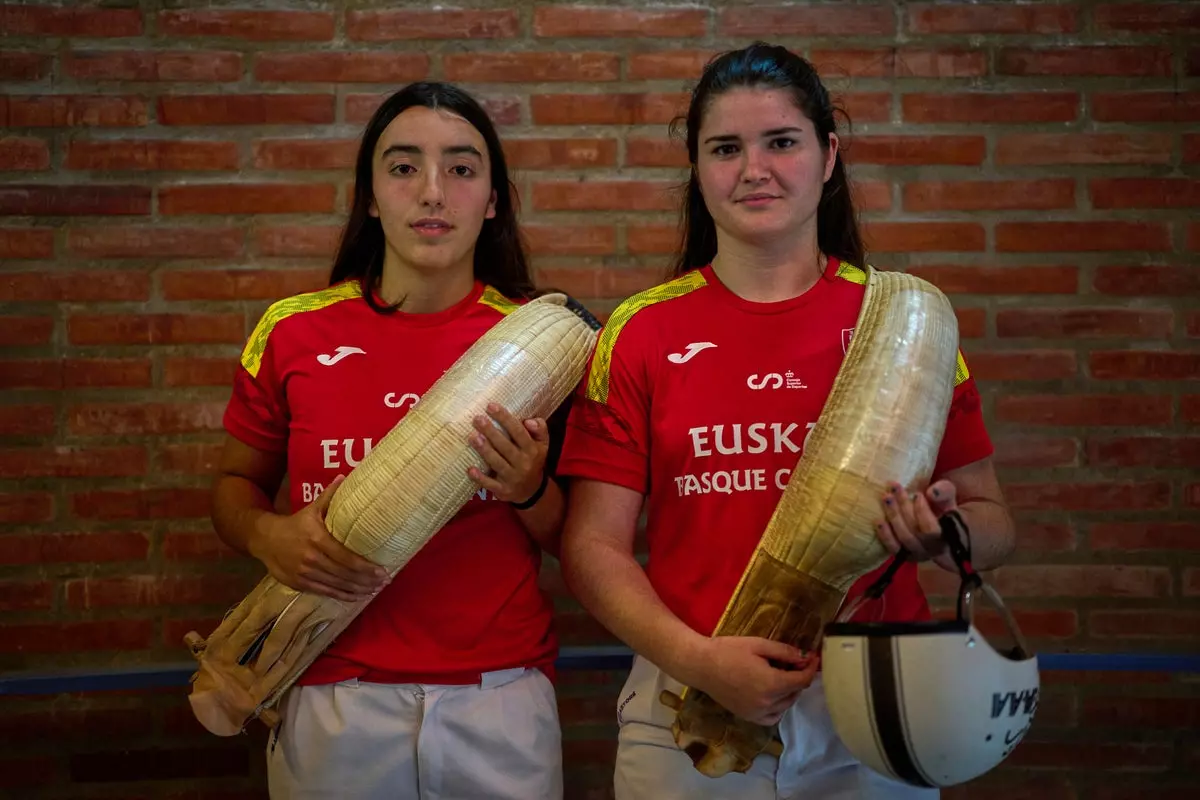
The clash between Spain and the Basque Country in the sport of pelota vasca has recently transcended the boundaries of athletic competition, igniting nationalist fervor, sparking legal disputes, and drawing international attention to a region steeped in complex historical narratives. What began as a niche sporting event morphed into a battleground for cultural identity and legal legitimacy, with implications that reverberate far beyond the walls of the fronton.
In early June 2025, the town of Gernika-Lumo witnessed a moment long thought impossible: the Euskadi national team faced off against the Spanish national team in a Nations League match, bringing to the surface years of tension rooted in political autonomy and regional pride.
Pelota vasca, once an official Olympic event in 1900 and later featured as a demonstration sport in the 1992 Barcelona Games, holds deep cultural value for the Basque people. In this region, the sport is seen not merely as a pastime but as a manifestation of national identity.
That significance became central to the current controversy when the Basque Country was granted recognition to compete internationally as its own entity—an act that Spanish authorities view as politically charged and legally questionable.
The Legal and Political Storm Brewing Behind the Court
The decision to allow the Basque Country to field its own team in international pelota vasca competitions was met with immediate resistance from the Spanish Pelota Federation. Claiming violations of proper procedure, the federation argued that it had been sidelined during a crucial vote by the international federation and was not granted a fair opportunity to influence the bylaws that enabled Basque recognition.
The federation quickly escalated the matter to the Court of Arbitration for Sport (CAS), calling into question the legality of the international body’s decision and the broader implications for Spain’s sovereignty over its sports infrastructure.
What followed was a heated debate not just about the technicalities of sport governance, but about national unity, identity, and the legacy of separatist movements in Spain. The Basque Country, also known by its native name Euskadi, has a long and painful history of seeking autonomy, culminating in a decades-long conflict with the now-defunct militant group ETA.
Read : Two Teenagers in Intensive Care After Ski Lift Collapse at Astún Resort in Spain
The group officially disbanded in 2018, but its legacy continues to cast a shadow over any discussion of Basque independence. Spanish authorities, including top officials, expressed their discontent in both official statements and public appearances.
🇪🇸 | España arrasa en Pelota Vasca y hace sonar el himno nacional ante separatistas de Bildu y PNV que acaban abucheados tras perder en su propia fiesta. pic.twitter.com/D86HcMnG2o
— EDATV (@edatvoficial) June 7, 2025
José Manuel Rodríguez Uribes, Spain’s top sports official, added fuel to the fire when he commented that pelota vasca is not a sport “played throughout the nation,” seemingly diminishing its status as a national sport. The statement struck a nerve among those who see the sport as integral to Spanish heritage and prompted the federation to respond with claims that more than 10,000 registered athletes across Spain actively participate in pelota vasca.
For Basque politicians and supporters of the Euskadi team, however, the CAS ruling was seen as a triumph of cultural recognition. Aitor Esteban, president of the Basque Nationalist Party, called the development “an exciting step” toward national visibility.
“It was unimaginable not too long ago to see these athletes wearing the Basque Country jersey in an international competition,” he said. The sentiment was echoed by the Basque Pelota Federation, which emphasized that their team’s emergence was a testament to cultural preservation and regional pride.
Historic Match Unfolds in a Charged Atmosphere
The Nations League match that took place on June 6, 2025, in the historic town of Gernika-Lumo, was more than just a game. It was a symbolic confrontation between two visions of national identity—Spain’s centralized model and the Basque desire for recognition. The venue, the Jai Alai fronton, was filled with an audience that was both celebratory and tense, reflecting the high stakes of the occasion.
The match itself delivered the kind of drama expected in such a historic event. The Basque Country won the men’s final, drawing cheers from the home crowd and solidifying the moment as a landmark in regional sports history. In contrast, Spain triumphed in the women’s final, a result that momentarily balanced the athletic scales, even as political divisions deepened.

However, tensions were unmistakable. When the Spanish national anthem played during the awards ceremony, it was met with jeers from the audience—a visible and audible expression of resistance. The Spanish Federation later issued statements downplaying the legitimacy of the competition, claiming that the event had not received proper governmental approval and therefore could not be considered an official competition under Spanish law.
Nonetheless, both teams participated, partly due to fears that the Nations League could influence qualification for the upcoming world championships in Argentina.
The Basque side, undeterred by controversy, celebrated the match as a validation of their identity and sporting ambitions. “We were born to grow and promote pelota vasca. It is part of our culture, of our identity and of our people,” the Basque Pelota Federation declared after the event. “We look to the future with hope, the future is ours.”
The Future of Pelota Vasca and the Questions Ahead
While the match itself is over, the larger debate is far from settled. The Court of Arbitration for Sport has yet to deliver a ruling, and until that judgment is rendered, the legal standing of the Basque Country’s international status in pelota vasca remains in flux. If CAS rules in favor of the Spanish Federation, the Basque team could lose its international recognition—a move that would likely provoke renewed outcry and potentially even demonstrations from nationalist groups in the region.

At the same time, the issue has exposed larger fault lines in Spain’s handling of regional identities. The Basque Country is not alone in seeking greater autonomy—Catalonia has its own history of confrontation with the central government. Sports, often viewed as a unifier of people and nations, have become yet another front in these broader political struggles. The question facing Spain now is how it will reconcile these expressions of identity without further fracturing its national unity.
Internationally, the sport of pelota vasca may see increased visibility as a result of the controversy. Participating nations in the Nations League included the United States, Mexico, France, the Philippines, and Argentina—all countries with some tradition of the game.
In the U.S., jai alai—one of the sport’s fastest-paced and most well-known variations—is primarily played in Florida and holds nostalgic appeal, though its popularity has declined. Events like the Nations League could help rejuvenate interest globally, especially if high-profile disputes continue to bring attention to the sport.
Regardless of the final ruling by CAS, the symbolic victory for the Basque Country in being able to field a team and play under their own flag is undeniable. For many in Euskadi, the match was about more than competition—it was about dignity, recognition, and the right to be seen on the world stage.
In the end, the controversy surrounding pelota vasca is a reminder that sports are never just games. They are stages upon which societies project their dreams, their histories, and their struggles for meaning and belonging. As the Basque Country celebrates its win on the court, the political battle off it rages on, with implications that extend far beyond the fronton walls of Gernika-Lumo.