
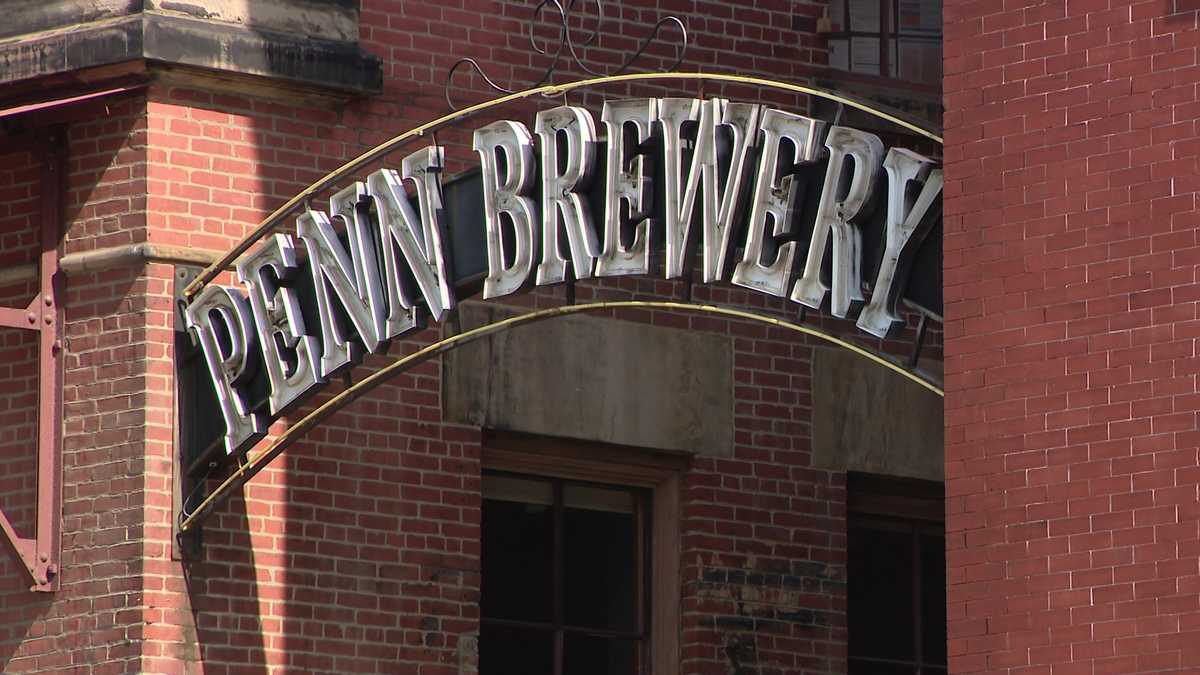
The American craft beer industry, once a symbol of rapid growth and entrepreneurial success, is now facing a sustained period of contraction that continues to reshape the landscape for independent brewers. The latest development in this ongoing downturn involves Pennsylvania Brewing Company Inc., the operator of Penn Brewery in Pittsburgh, which has filed for Chapter 11 bankruptcy protection.
The filing underscores the mounting financial pressures confronting even long-established and award-winning breweries, as rising costs, shifting consumer preferences, and intensified competition converge to challenge the sustainability of traditional craft brewing models. With more closures than openings recorded in recent years, the industry’s struggles have become increasingly visible, affecting businesses that once thrived during the peak of the craft beer boom.
Financial Pressures and Industry Downturn
Penn Brewery’s bankruptcy filing comes amid what industry observers have described as a prolonged downturn in the craft beer sector. The difficulties began to intensify in 2023, a year marked by a historically high number of brewery closures across the United States. Data from industry organizations indicated that hundreds of breweries shut their doors during that period, signaling a reversal from the rapid expansion seen in previous decades. The trend continued into 2025, with closures significantly outpacing new openings by mid-December, reflecting a challenging environment for both new entrants and established players.
Several factors have contributed to this decline. Rising operational costs, including raw materials, labor, and distribution expenses, have eroded profit margins for many breweries. Inflationary pressures have further compounded these challenges, making it more difficult for businesses to maintain competitive pricing while preserving profitability. At the same time, consumer behavior has evolved, with some drinkers shifting away from traditional craft beer toward alternative beverages such as hard seltzers, ready-to-drink cocktails, and non-alcoholic options.
In this context, Penn Brewery’s decision to seek Chapter 11 protection reflects a broader pattern within the industry. Unlike Chapter 7 liquidation, Chapter 11 allows companies to reorganize their debts and continue operating while implementing financial restructuring measures. For Penn Brewery, the filing indicates an attempt to stabilize its operations and address liabilities that reportedly range between $1 million and $10 million, while its listed assets are comparatively modest. The absence of a publicly stated reason for the filing leaves room for interpretation, but the broader industry conditions suggest that the brewery’s challenges are not isolated.
Read : Mesmerizing Malaysia: Top Ten Selfie Spots in the Land of Diversity
The term “Craft Beer Apocalypse” has been increasingly used to describe the current state of the industry, capturing the scale and persistence of closures and financial distress. While some breweries continue to find success through innovation and niche positioning, many others are struggling to adapt to the rapidly changing market dynamics. The case of Penn Brewery highlights how even well-established brands with strong local recognition are not immune to these pressures.
A Legacy Brewery Facing Modern Challenges
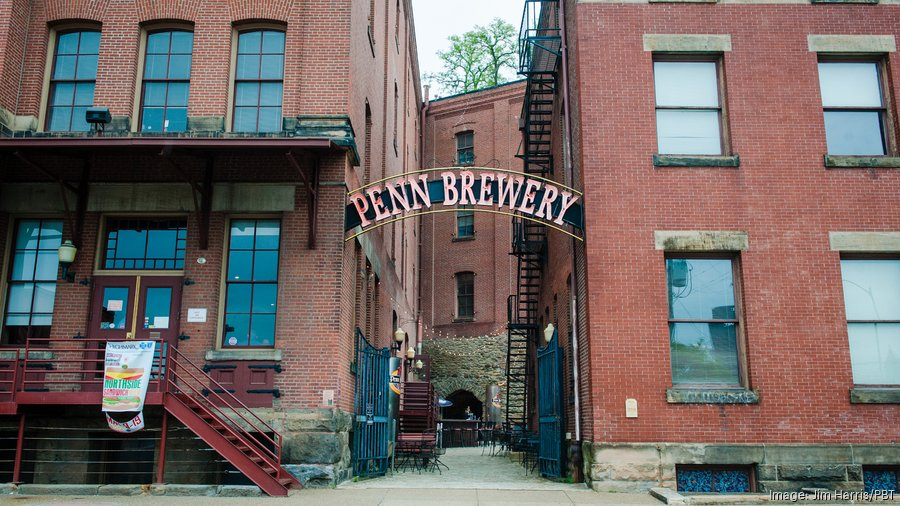
Penn Brewery holds a significant place in Pittsburgh’s brewing history, having operated for four decades and earning recognition as the city’s oldest brewery. Its roots trace back even further, with the site’s original brewing operations dating to the mid-19th century when early brewing families established facilities in the area. The modern incarnation of the brewery began as a contract operation in the mid-1980s before transitioning into its restored historic location in 1989, supported by local development initiatives.
Read : Uncle Nearest’s Chapter 11 Bankruptcy Denied
Over the years, the brewery built a reputation for producing high-quality traditional beers, including a range of lagers and ales that became staples in the regional market. Its flagship offerings, such as Penn Pilsner, Penn Dark, and Penn Gold, have been widely recognized for their consistency and adherence to classic brewing styles. The company has also received numerous accolades, including multiple medals from prestigious beer competitions, reflecting its commitment to craftsmanship and quality.
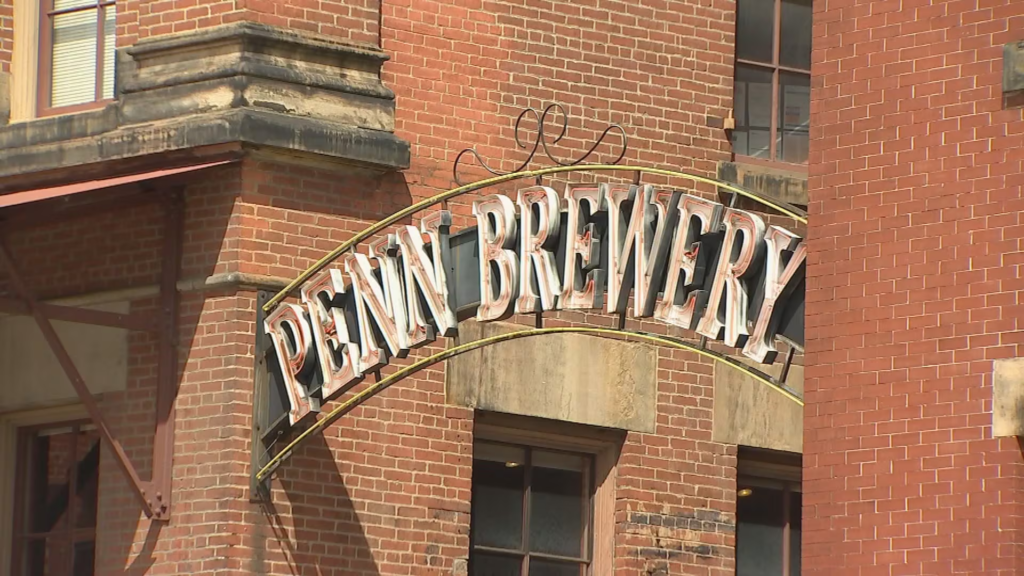
Despite these achievements, the brewery has faced the same structural challenges affecting the wider industry. The acquisition of the company in 2022 by a local businessman represented an effort to sustain and potentially expand the brand’s presence. However, maintaining operations in a competitive and cost-intensive environment has proven difficult. The brewery operates both a production facility and a restaurant in Pittsburgh, along with an additional location at a major airport, indicating a diversified business model that combines manufacturing with hospitality.
This hybrid approach, while offering multiple revenue streams, also introduces additional complexities. Restaurant operations are subject to their own set of challenges, including fluctuating customer demand, staffing issues, and rising food and beverage costs. When combined with the capital-intensive nature of brewing, these factors can strain financial resources, particularly during periods of reduced consumer spending.
In 2025, Penn Brewery was reported to be the fourth-largest producer in the Pittsburgh region, producing thousands of barrels of beer annually. While this level of output reflects a substantial operation, it also places the company in a competitive tier where economies of scale and market positioning are critical. Smaller breweries may benefit from niche appeal, while larger producers can leverage distribution networks and brand recognition. Mid-sized breweries like Penn often find themselves navigating a challenging middle ground.
Broader Implications for the Craft Beer Sector
The bankruptcy filing of Penn Brewery is not an isolated incident but part of a broader pattern affecting breweries across the country. Other well-regarded brewers have also faced financial difficulties, with some opting for liquidation under Chapter 7 and others pursuing restructuring through Chapter 11. In certain cases, breweries have been forced to close physical locations while continuing limited production or distribution operations.
Read : Baker & Taylor Files For Chapter 11 Bankruptcy
The situation reflects a fundamental shift in the craft beer market. During its peak growth phase, the industry benefited from strong consumer interest in locally produced, artisanal beverages. This demand supported the rapid expansion of breweries, taprooms, and brewpubs in cities and towns nationwide. However, as the market became saturated, competition intensified, making it increasingly difficult for individual breweries to differentiate themselves.
At the same time, changing consumer preferences have introduced new challenges. Younger drinkers, in particular, are exploring a wider range of beverage options, including spirits-based drinks and health-conscious alternatives. This diversification has diluted the dominance of craft beer within the broader alcoholic beverage market, requiring breweries to adapt their offerings and marketing strategies.
Economic conditions have also played a significant role. Periods of financial uncertainty tend to affect discretionary spending, including purchases of premium beverages. Craft beer, often priced higher than mass-produced alternatives, may be particularly vulnerable during such times. For breweries operating on tight margins, even modest declines in sales can have significant financial consequences.
Despite these challenges, the craft beer industry is not without resilience. Many breweries continue to innovate, experimenting with new flavors, brewing techniques, and business models. Some have successfully expanded into distribution partnerships or diversified their product lines to include non-beer beverages. Others have focused on strengthening their local customer base through community engagement and unique taproom experiences.
For Penn Brewery, the Chapter 11 filing represents an opportunity to restructure and potentially emerge stronger. The process will likely involve negotiations with creditors, adjustments to operational strategies, and efforts to improve financial stability. The outcome remains uncertain, but the brewery’s long history and established brand may provide a foundation for recovery if the restructuring is successful.
The broader implications of such cases extend beyond individual companies. Each closure or restructuring affects employees, suppliers, and local communities, highlighting the interconnected nature of the industry. As the craft beer sector continues to evolve, the experiences of breweries like Penn will serve as important indicators of the challenges and opportunities that lie ahead.