
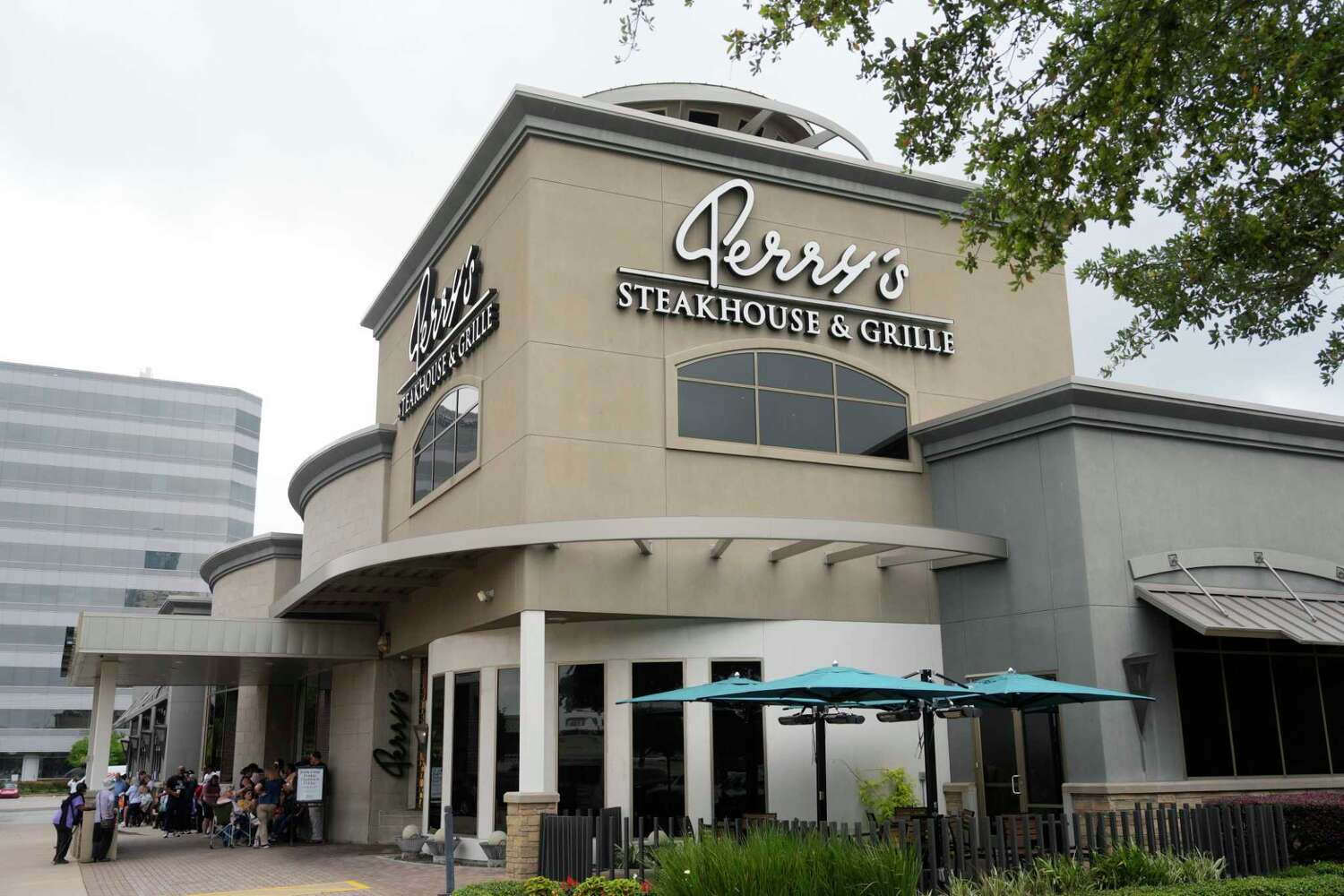
A major legal ruling against a prominent Texas-based restaurant chain has drawn renewed attention to wage practices in the hospitality industry. Perry’s Steakhouse & Grille has been ordered to pay more than $21 million following a federal court decision that found the company engaged in illegal tip pooling practices.
The judgment, issued by U.S. District Judge Robert Pitman, represents a significant financial penalty and underscores the strict protections afforded to tipped workers under federal law. The case, which stems from a 2022 lawsuit filed by hundreds of servers, highlights ongoing tensions between restaurant management policies and employee rights, particularly in an industry where tips form a substantial portion of workers’ income.
Details of the Lawsuit and Court Ruling
The legal dispute began when approximately 750 servers employed across the chain’s Texas locations came together to challenge the company’s compensation practices. The plaintiffs alleged that Perry’s Steakhouse & Grille implemented a mandatory tip pool that redistributed a portion of servers’ tips to employees who do not typically receive gratuities. According to the lawsuit, this arrangement effectively allowed the company to divert earnings that legally belonged to tipped workers, violating provisions of the Fair Labor Standards Act.
After reviewing the case, Judge Pitman ruled in favor of the plaintiffs, concluding that the restaurant chain’s tip pooling system did not comply with federal labor laws. The court determined that employers are prohibited from retaining or redistributing tips for purposes outside of a lawful tip pool that includes only eligible employees. The ruling emphasized that tips are the property of the employees who earn them and cannot be used to subsidize wages for non-tipped staff.
The financial breakdown of the judgment reflects both compensation and penalties. The court awarded $3.44 million in unpaid wages, matched by an equal amount in legal penalties. In addition, $7.07 million was awarded for misappropriated tips, again doubled through penalties. The ruling also included $263,476 in payroll taxes, bringing the total to more than $21 million before interest and attorney fees are added. This substantial figure signals the seriousness with which courts treat violations involving employee compensation and labor rights.
Read : Sorry for Traumatic Experience: Singapore Airlines CEO Goh Choon Phong After 1 Dead, 70 Injured
The ruling did not come as an isolated decision but followed earlier findings in November 2025, when the court initially sided with the plaintiffs on the legality of the tip pooling practice. The most recent judgment addressed the scale of damages, rejecting the company’s argument that the financial penalties should be reduced. By affirming the higher amount, the court reinforced its stance on accountability and restitution for affected workers.
Company Response and Planned Appeal
Following the ruling, Perry’s Steakhouse & Grille publicly expressed disagreement with the court’s decision and announced plans to appeal. In a statement, the company’s leadership maintained that its compensation practices were lawful and aligned with common industry standards. The statement emphasized the company’s commitment to treating employees fairly and maintaining transparent pay structures, suggesting that the legal interpretation applied in this case may not fully reflect typical practices within the restaurant sector.
Read : Blimey! Arte Moreno Pays $125 Million Cash for Cortland Biltmore Apartment Complex
The company intends to take the case to the Fifth Circuit Court of Appeals, where it will seek a review of both the legal findings and the damages awarded. Appeals in such cases often focus on interpretations of federal labor law, particularly regarding what constitutes a valid tip pool and which categories of employees may legally share in gratuities. The outcome of the appeal could have broader implications, potentially influencing how similar cases are evaluated in the future.
Despite the company’s defense, the court’s decision highlights a key point of contention: whether internal compensation systems designed to balance earnings among staff can override federal protections governing tips. While businesses may argue that such systems promote fairness across shifts or roles, the law places clear limits on how tips can be distributed. This tension between operational flexibility and legal compliance is at the heart of many disputes in the hospitality industry.
The company’s response also reflects a broader concern among employers about the evolving interpretation of wage laws. As courts continue to scrutinize pay structures more closely, businesses may face increased pressure to review and adjust their policies to ensure compliance. For Perry’s Steakhouse & Grille, the appeal represents both a legal strategy and an effort to defend its reputation as a fair employer.
Implications for the Restaurant Industry and Workers
The case carries significant implications beyond a single restaurant chain, particularly for an industry that relies heavily on tipping as a core component of employee compensation. For workers, the ruling reinforces the principle that tips are their rightful earnings and cannot be redirected in ways that undermine their income. This is especially important for servers, whose base wages are often lower due to the expectation that tips will make up the difference.

The decision may prompt other restaurant operators to reexamine their own tip pooling arrangements, ensuring that they comply with federal guidelines. Employers must be cautious when designing compensation systems, as even well-intentioned policies can lead to legal challenges if they conflict with established labor laws. The financial consequences demonstrated in this case serve as a powerful reminder of the risks involved.
For employees, the outcome provides a measure of validation and may encourage others to speak out if they believe their rights are being violated. Collective legal action, as seen in this case, can be an effective tool for addressing systemic issues within workplaces. The participation of hundreds of servers underscores the scale of the concern and the importance of accountability in employment practices.
At the same time, the case highlights ongoing debates about fairness and equity within the restaurant workforce. While tip pooling can, in some cases, promote a more balanced distribution of income, it must be implemented within the boundaries of the law. Striking the right balance between fairness for all staff and compliance with legal requirements remains a complex challenge for employers.
The broader industry may also see increased regulatory scrutiny as a result of high-profile cases like this one. Government agencies and courts are likely to continue monitoring wage practices closely, particularly in sectors where violations can have widespread impact. As a result, transparency and adherence to legal standards will be critical for businesses seeking to avoid similar disputes.
The Perry’s Steakhouse & Grille case serves as a clear example of how labor laws are applied in practice and the consequences of failing to meet those standards. It underscores the importance of understanding and respecting employee rights, particularly in industries where compensation structures are complex and heavily reliant on customer gratuities.
Been having some fun on betvnd9 lately. It’s worth a look if you want some fresh options. See for yourself: betvnd9
Love the convenience of k8app. Everything I need right on my phone. Get the app here: k8app
Just downloaded the playpix app! So far it’s pretty smooth. Nice interface, everything loads quick. I’m a fan. playpix app