

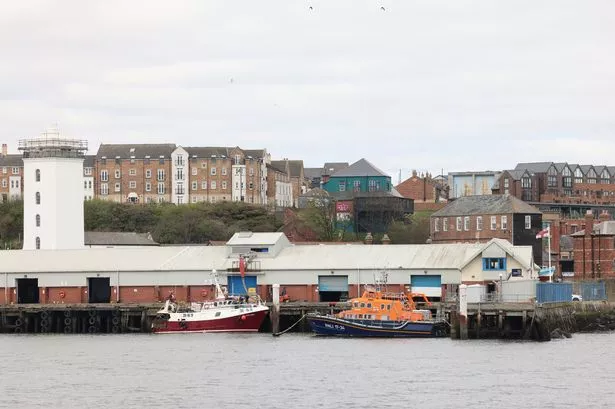
A festive moment turned into an unexpected coastal emergency when a gender reveal party triggered a search-and-rescue response near the River Tyne. The usually calm and joyful atmosphere of a marina was disrupted when the Tynemouth Volunteer Life Brigade received an alert about a boat that seemed to be in distress.
What sparked this sudden call to action was the sighting of what was believed to be a red flare—commonly recognized as a maritime distress signal—and reports of a vessel moving erratically.
The coastguard acted swiftly, dispatching the brigade to the Royal Quays Marina. From a distance, the situation appeared critical. The flare’s red hue, which later turned out to be pink, had given the impression that someone aboard the boat was calling for help.
The boat was also observed “going round in circles,” which further deepened fears that the vessel may have been experiencing engine failure or another type of emergency. For the dedicated volunteers and professionals who monitor the safety of the coastline, this combination of events demanded immediate attention.
Upon arrival, the reality of the situation surprised everyone involved. Rather than finding a crew in distress or a vessel in need of urgent assistance, the responders were greeted with smiles, balloons, and cheering guests celebrating a gender reveal.
The “flare” that raised the alarm was, in fact, a pink smoke device used to signal the announcement that the couple was expecting a baby girl. While the response team was relieved, it was clear that the incident had unintentionally tied up valuable emergency resources.
When Celebrations Cross Signals
The use of pink smoke flares during gender reveal parties has become increasingly popular in recent years. These devices, while festive, bear a strong resemblance to traditional maritime distress flares—particularly when seen from a distance. This blurring of signals is precisely what led to the coastguard being called out on what turned out to be a false alarm.
However, the brigade made it clear that the callout was recorded as a “false alarm with good intent,” acknowledging that those who raised the alarm had acted responsibly and in the interest of safety.
The skipper of the boat involved in the celebration offered a sincere apology for the confusion and the unintended emergency response. The Tynemouth Volunteer Life Brigade, in turn, expressed their relief that no one was actually in danger and extended warm congratulations to the soon-to-be parents.
Still, the incident prompted the brigade to issue a public reminder: flares should never be used in coastal areas unless in cases of real emergency or with prior notification to the coastguard. Such reminders are critical for maintaining the delicate balance between public safety and individual freedom to celebrate important life events.
Read : Global Gender Gap Will Take 134 Years to Close: WEF Report
Emergency services rely on clear and recognizable signals to determine when and where their assistance is needed. Even well-meaning use of similar-looking devices can trigger costly and time-consuming responses that might divert attention away from genuine emergencies elsewhere.
The Responsibilities of Celebration
This unusual event, while light-hearted in hindsight, underscores the need for awareness and responsibility when planning celebrations near coastal environments. The coastguard’s swift reaction shows just how seriously maritime safety is taken in the UK.
The sea is unpredictable, and even seemingly minor concerns can quickly escalate into life-threatening situations. That’s why the visual language of distress—smoke, flares, and erratic boat movements—cannot be misused or misunderstood without consequences.

The brigade emphasized that while they were glad this was a harmless misunderstanding, such situations can have broader implications. In a true emergency, response time can be the difference between life and death. Responders must always act on the side of caution, but unnecessary callouts strain resources and can put other lives at risk if teams are misallocated.
In cases where celebratory flares or other pyrotechnics are being considered, especially near water, it is highly recommended to notify local authorities in advance.
The Humber Coastguard, which oversees a significant portion of the UK’s eastern seaboard, can be contacted to ensure that any visual signals used will not be mistaken for distress. Public communication and awareness can prevent future misunderstandings while still allowing for festive expressions.
Lessons from the River Tyne
The River Tyne, which flows into the North Sea and borders several active ports and marinas, is a well-trafficked area that regularly sees both commercial and recreational boaters. As such, any report of a boat in trouble is treated with utmost seriousness.
For the six members of the Tynemouth Volunteer Life Brigade who responded to this incident, this was just another example of how quickly situations can escalate based on limited visual information.
Even though the callout proved to be unnecessary, the professionalism and readiness of the brigade were commendable. They approached the situation with urgency, prepared to assist anyone in danger, and handled the discovery of a gender reveal party with grace and understanding.
Rather than issuing harsh criticism, they took the opportunity to educate the public, highlighting the importance of context and communication when planning events near coastal areas. This event also speaks to the broader culture of gender reveals, which in recent years have grown increasingly elaborate.
While many celebrations pass without incident, others have made headlines for unintended consequences—including fires, injuries, and now, emergency service involvement. As such, a cultural reassessment of how we celebrate these personal milestones may be in order, particularly when those celebrations intersect with public safety protocols.
The fact that this particular incident ended with smiles, a healthy dose of embarrassment, and best wishes for the parents-to-be is a fortunate outcome. It could have been far worse had there been a real emergency elsewhere needing the same resources. It serves as a gentle yet firm reminder that even joyous events carry the responsibility of foresight and community awareness.
For now, the Tynemouth Volunteer Life Brigade can chalk this one up as one of their more unusual callouts—a story to tell, a lesson learned, and thankfully, no harm done. As the expectant couple likely reflects on the memorable reveal, they—and perhaps others planning similar events—will hopefully take these lessons to heart.