
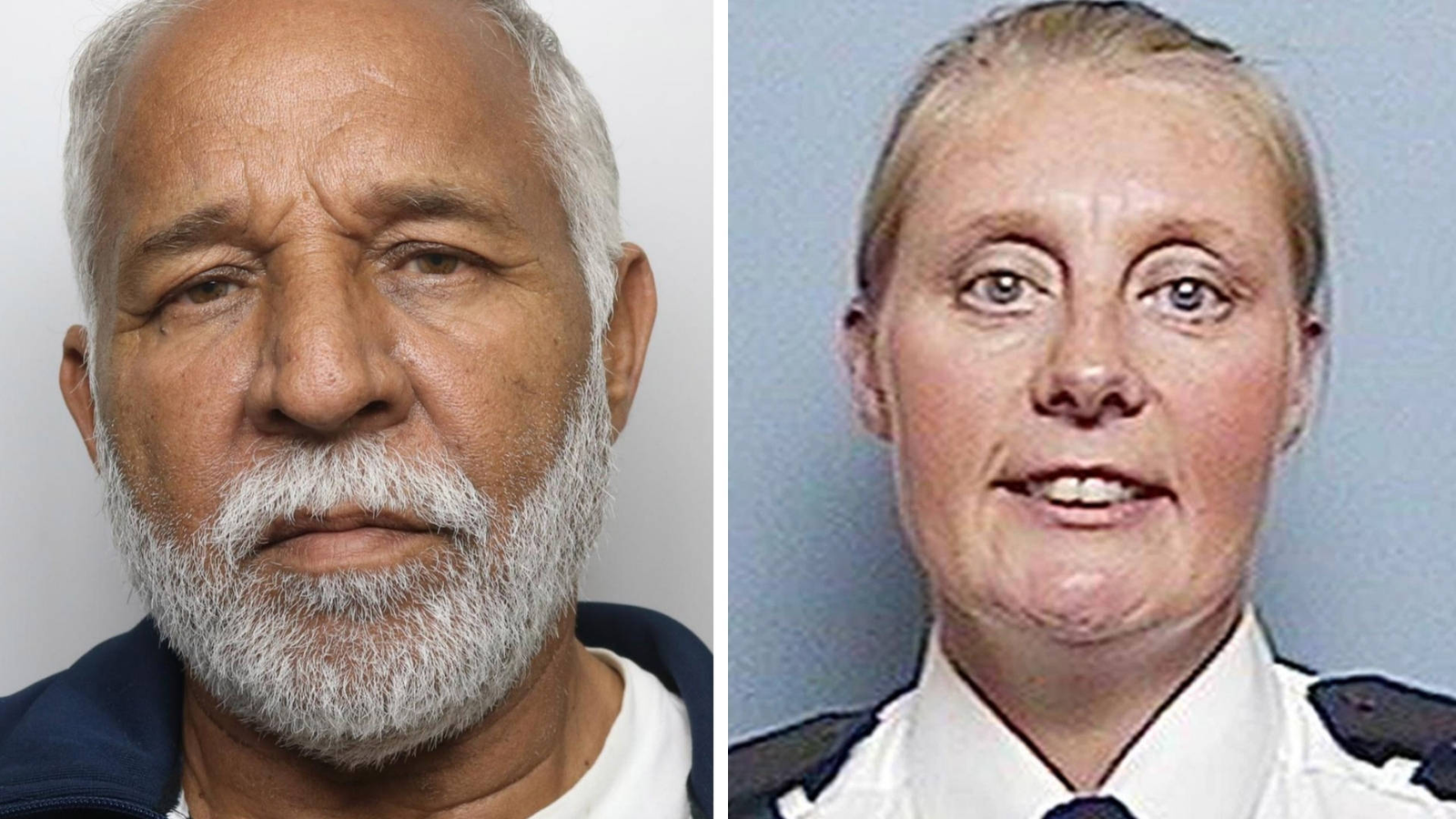
Piran Ditta Khan, the ringleader of an armed robbery that led to the tragic murder of PC Sharon Beshenivsky in 2005, has died in prison at the age of 76. His death comes less than a year after he was sentenced to life imprisonment for his role in the crime.
Khan had evaded justice for nearly two decades before being extradited from Pakistan and convicted in April 2024. His passing marks the final chapter in a long-running case that shocked the United Kingdom and left an indelible mark on the policing community.
The Crime That Shook the Nation
On November 18, 2005, PC Sharon Beshenivsky and her colleague, PC Teresa Milburn, responded to a report of a robbery in progress at Universal Express, a family-run travel agency in Bradford, West Yorkshire.
The two officers, who were unarmed, arrived at the scene unaware of the danger that awaited them. Inside the business, three armed men had just carried out a violent raid, targeting the establishment for its cash reserves.
As the officers confronted the robbers, they were met with a ruthless and shocking display of violence. One of the armed men opened fire at point-blank range, striking both PC Beshenivsky and PC Milburn.
Tragically, PC Beshenivsky succumbed to her injuries, dying on what was her daughter’s fourth birthday. PC Milburn, though critically injured, survived the attack. The murder of PC Beshenivsky was a moment of national grief and outrage, as it was one of the rare instances in which a female police officer was killed in the line of duty in the UK.
Read : JetBlue Pilot Jeremy Gudorf Arrested at Boston Airport for Sexual Exploitation of Minor
The gang responsible for the crime was made up of seven men, including Piran Ditta Khan, who orchestrated the robbery. While some of the culprits were quickly apprehended and brought to justice, Khan managed to flee the country just two months after the murder.
Read : Journalist Who Led #MeToo Movement in China Jailed for 5 Years
His escape to Pakistan meant he evaded justice for nearly 15 years, leaving PC Beshenivsky’s family and the UK authorities in a long and frustrating wait for accountability.
Khan’s Years on the Run and Extradition
Following the murder, Piran Ditta Khan fled to Pakistan in January 2006. He remained at large for years, seemingly beyond the reach of British law enforcement.
The UK police continued their pursuit, keeping the case open and seeking international assistance in tracking him down. Meanwhile, the other six members of the gang were arrested, tried, and sentenced for their roles in the crime, but Khan’s absence left a major void in the case.
It was not until January 2020 that Pakistani authorities finally arrested Piran Ditta Khan in a coordinated effort with British law enforcement. His capture was a major breakthrough, reigniting hope that justice would be served for PC Beshenivsky’s murder.
However, the process of extradition proved to be complex and drawn-out. After three years of legal proceedings and diplomatic negotiations, Piran Ditta Khan was finally extradited to the UK in 2023, almost two decades after the crime.
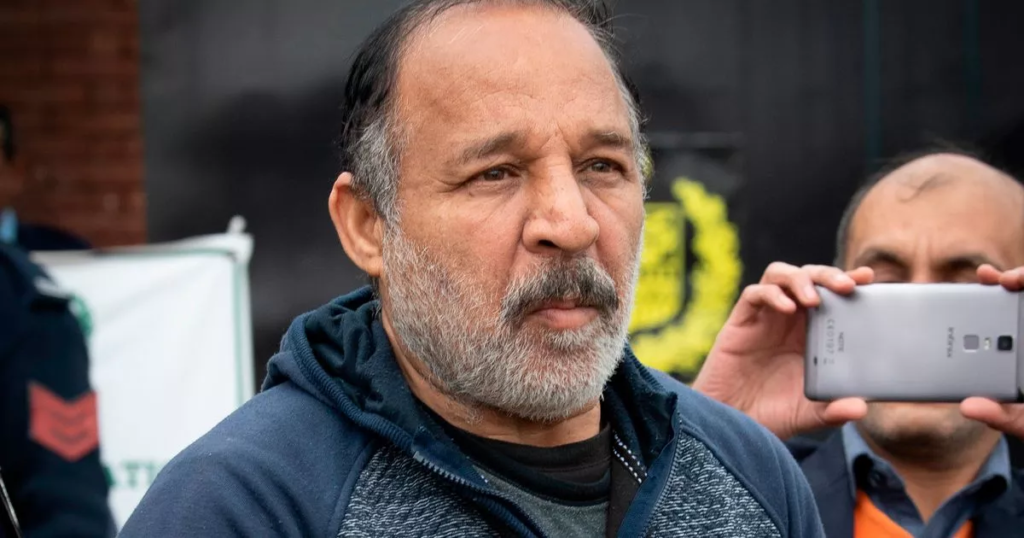
Upon his return, he faced trial at Leeds Crown Court, where he was charged with multiple offenses, including the murder of PC Beshenivsky, possession of firearms with intent to endanger life, and possession of prohibited weapons.
The prosecution presented compelling evidence linking Khan to the crime, including his leadership role in planning the robbery and his prior knowledge of Universal Express as a financial establishment.
In April 2024, the jury found him guilty on all charges. He was sentenced to life imprisonment, with a minimum term of 40 years.
The judge, Mr. Justice Hilliard, acknowledged Khan’s age and declining health but emphasized the gravity of his crimes. The court made it clear that, given his advanced age, Khan would likely spend the rest of his life behind bars—a fitting punishment for his role in orchestrating a crime that claimed the life of a dedicated police officer.
The Legacy of PC Beshenivsky and Khan’s Death in Custody
PC Sharon Beshenivsky’s murder had a profound impact on policing in the UK. Her death highlighted the dangers faced by officers in the line of duty, particularly those who are unarmed.
The incident led to renewed debates about police safety, resources, and the adequacy of responses to armed criminals. In the years following her death, numerous tributes were paid to PC Beshenivsky, including memorials, public dedications, and increased efforts to support the families of fallen officers.
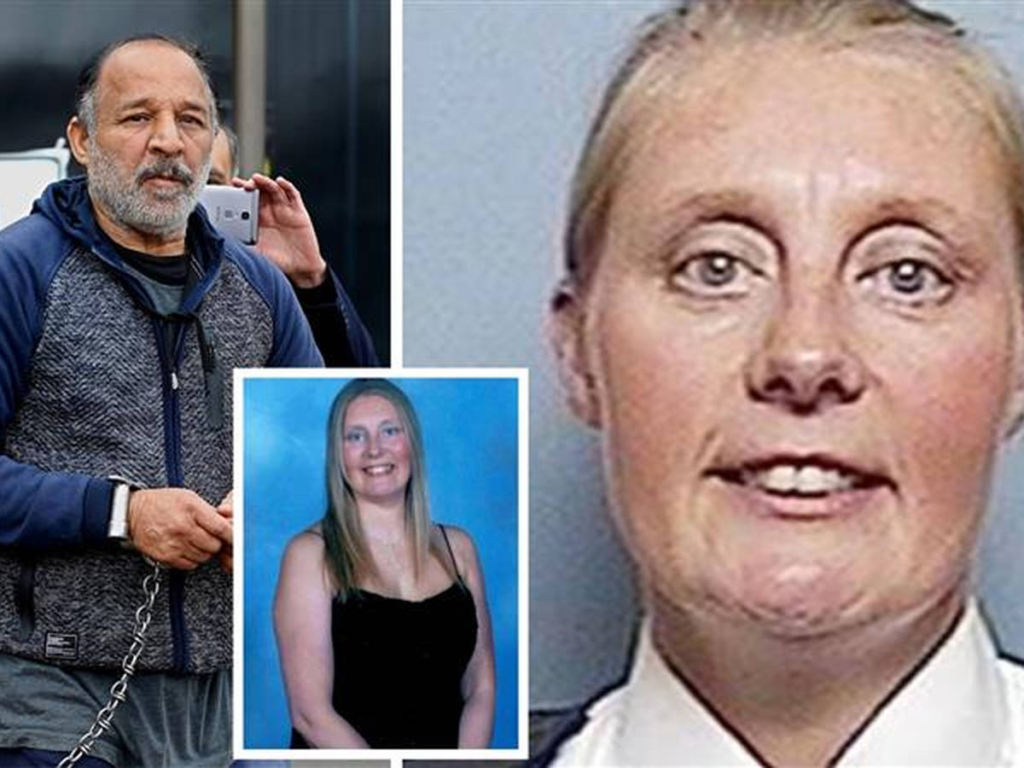
Her husband, Paul Beshenivsky, has spoken openly about the devastating impact of her murder on their family. In court, he described the loss as “brutal, callous, and futile,” emphasizing how his wife’s life was taken away due to the “actions and organization of one person—Piran Ditta Khan.” His words underscored the lingering pain and injustice felt by those left behind.
Khan’s death in HMP Wakefield on February 21, 2025, brings an end to his long and notorious journey through the criminal justice system. His passing, however, does little to heal the wounds left by his actions.
The Prison Service confirmed his death, stating that, as with all deaths in custody, an investigation would be conducted by the Prison and Probation Ombudsman.
Khan’s conviction and eventual demise in prison serve as a stark reminder of the consequences of violent crime. His years on the run, the lengthy legal battle for his extradition, and his final years in a prison cell illustrate the long reach of justice.
For the Beshenivsky family and the UK police force, his death does not erase the pain of their loss, but it does close a painful chapter in a case that spanned nearly two decades.
PC Sharon Beshenivsky’s legacy lives on through the continued work of police officers who put their lives on the line to protect the public. Her tragic death remains a reminder of the sacrifices made by law enforcement officers every day.