
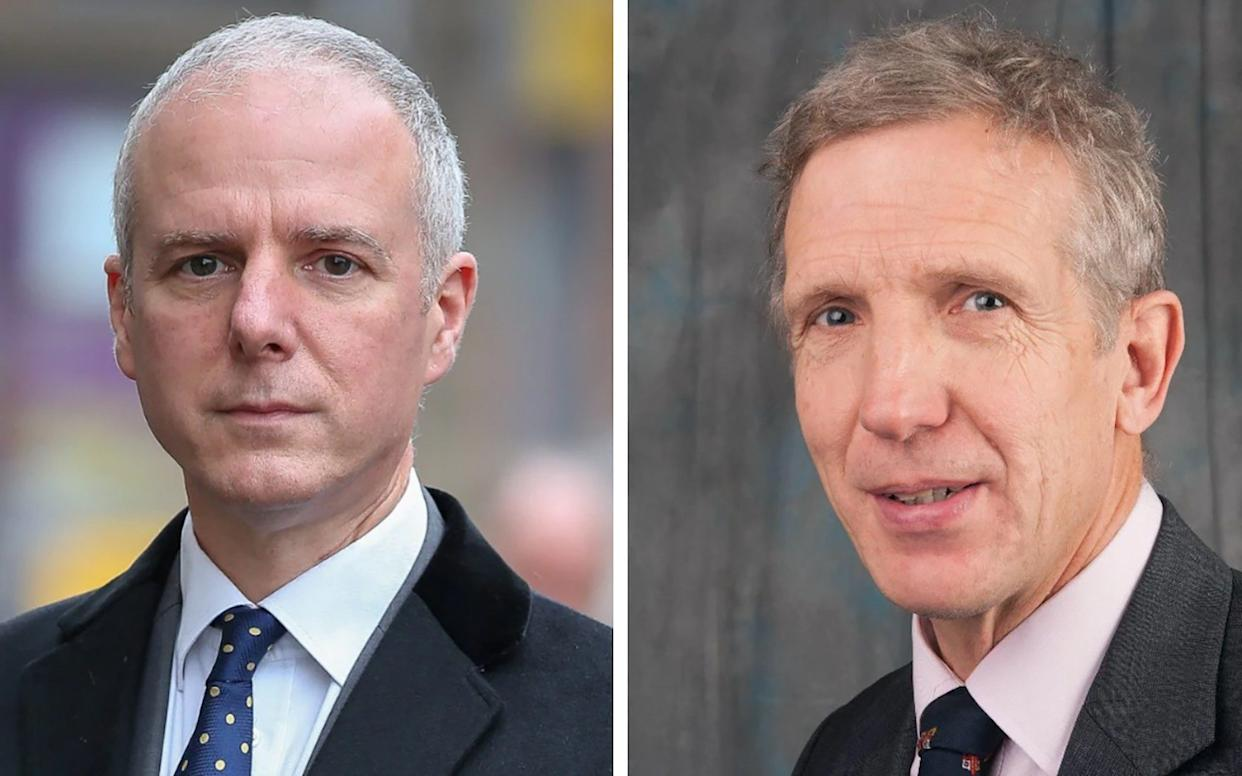
The medical community has long been associated with healing, trust, and professionalism. But in a chilling deviation from that ethos, renowned plastic surgeon Jonathan Peter Brooks shattered all expectations.
In a meticulously premeditated act, he attempted to murder his fellow doctor, Graeme Perks, in the early hours of January 14, 2021. The violent episode, involving petrol, camouflage gear, and a deadly weapon, left the nation stunned and the profession reeling.
Brooks, also known by his middle name Peter, was found guilty by a jury at Loughborough Crown Court after a harrowing month-long trial. Despite being absent from his own proceedings due to a hunger strike and his refusal to be represented by legal counsel, the court pressed on.
The trial culminated in Brooks being convicted of two counts of attempted murder, attempted arson with intent to endanger life, and possession of a knife in a public place.
A Calculated and Chilling Attack
The evidence laid bare in court portrayed a man consumed by vengeance. Jonathan Peter Brooks had cycled in the snow from his home to Graeme Perks’ residence in Halam, Nottinghamshire, during the height of a COVID-19 lockdown. Disguised in camouflage clothing and equipped with a crowbar, petrol, matches, and a knife, Brooks had one intention—eliminate his former colleague.
It was revealed that Perks had previously provided testimony against Brooks in disciplinary proceedings which could have ended the latter’s career at Nottingham University Hospitals NHS Trust.
Brooks’ assault on Graeme Perks was nothing short of brutal. Smashing through a conservatory, he poured petrol on the floor and stairwells of the house while Perks’ wife and youngest son slept upstairs.
Read : Queensland Surgeon Fined for Taking Photo of Coma Patient’s Swastika-Tattooed Genitals
When Perks descended the stairs, alerted by the noise, he stepped into a pool of petrol before being stabbed viciously by Brooks. The injuries were catastrophic—affecting Perks’ liver, pancreas, and intestines—and doctors gave him only a 5% chance of survival.
Read : Karachi Girl Receives Heart Transplant Surgery in Chennai
Despite the grave wounds, Graeme Perks survived the attack and recounted the terror he experienced that night. His recollection of Brooks’ assault provided a crucial account that added to the weight of evidence presented by the prosecution.
A Trial Marked by Absence and Defiance
Perhaps one of the most bizarre elements of this case was Brooks’ behavior throughout the judicial process. He sacked his legal team ahead of the trial and chose to remain absent for the duration, citing a hunger strike as his form of protest. At various stages of the legal proceedings—spanning over four years—Brooks used hunger strikes or threats of self-harm to influence outcomes, according to the trial judge, Mr. Justice Pepperall.
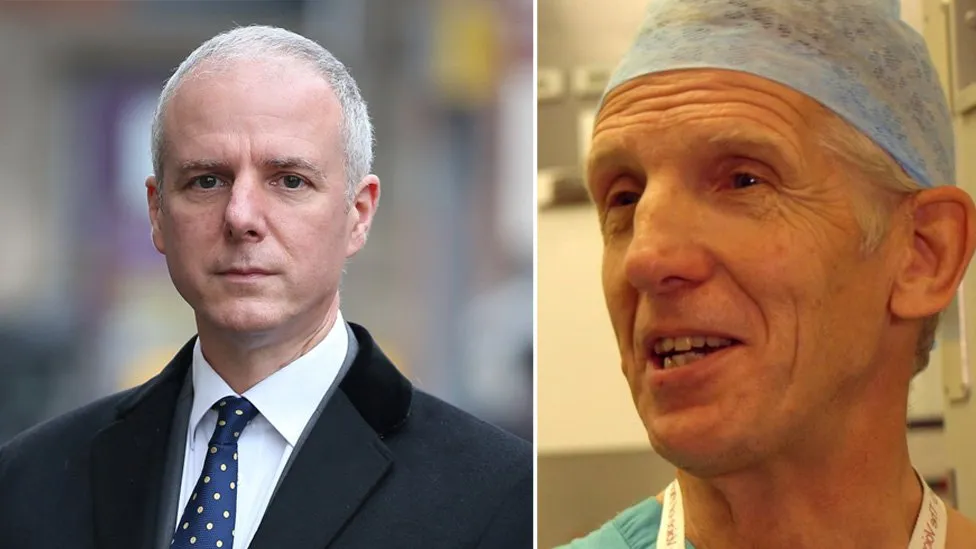
In one appearance before the court, Brooks was observed lying on the floor, claiming that sitting in a wheelchair made him feel unwell. His protestations were dramatic and consistent. “I don’t particularly want to die,” he said, “but if my choice is between incarceration and death, I would rather be dead than incarcerated.”
This theatrical defiance, however, did not sway the legal process. The court ensured that justice was pursued despite Brooks’ absence and antics. Jurors deliberated for more than 12 hours before returning guilty verdicts on all charges, a testament to the thoroughness and clarity of the evidence against him.
The Medical Community Responds to the Betrayal
The verdict has sent ripples throughout the medical profession. Brooks and Perks were not just colleagues—they were both respected surgeons in the field of plastic and reconstructive surgery. That such a violent and personal act of vengeance could stem from within their professional circle has prompted reflection and sorrow.
Graeme Perks, having retired just a month before the attack, had already stepped back from his medical duties. Yet he found himself the target of deadly violence because of his role in upholding standards within the profession. His testimony in Brooks’ disciplinary proceedings, while part of an institutional process, was perceived by Brooks as a betrayal deserving of retribution.
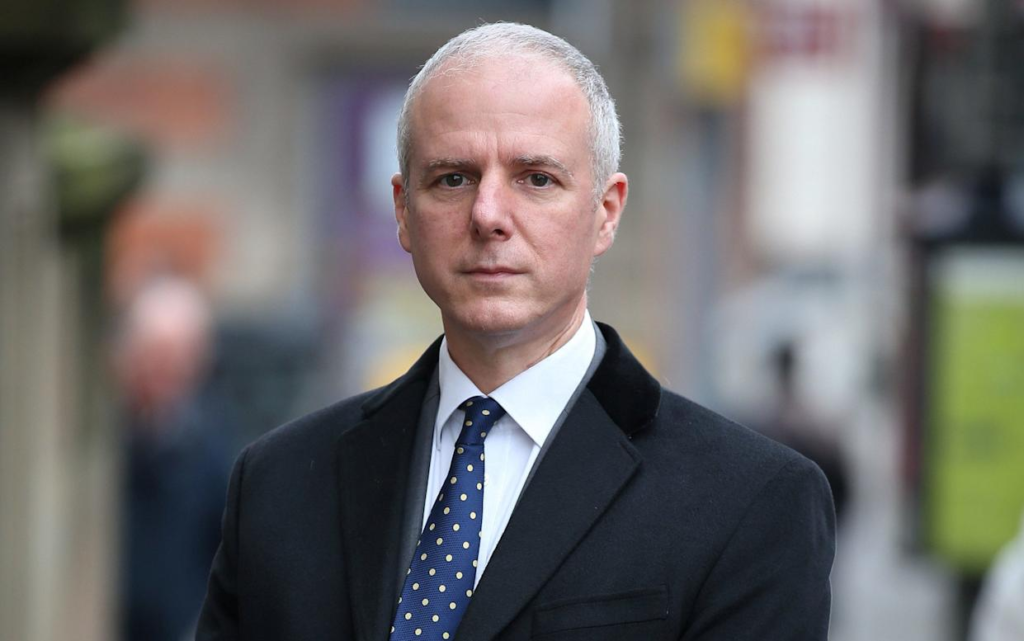
Manjeet Shehmar, medical director at Nottingham University Hospitals NHS Trust, acknowledged the emotional toll of the case. “We have been following the case of Mr. Brooks closely and respect the decision made in court today. We would like to offer our sympathies to those who were affected by Mr. Brooks’ actions, including Graeme Perks and his family, and other colleagues from within the trust.”
In a field where collaboration and ethics are fundamental, the attempted murder has deeply disturbed many healthcare professionals. It has also sparked renewed calls for institutional support mechanisms, especially in disciplinary contexts where reputations and careers are on the line.
Reflections on a Dark Episode
While the legal chapter of this case may be closing with the conviction of Jonathan Peter Brooks, the psychological and emotional repercussions will endure for years. The sheer premeditation involved in the attack—the journey through snow, the gathering of flammable substances, the choice of time during lockdown—paint the picture of a man who was not acting in a moment of rage but executing a plan born of deep resentment.

This case also raises broader concerns about mental health support for medical professionals, especially those under investigation or facing career-defining consequences. Though Brooks’ actions are inexcusable, the level of desperation and psychological decline implied in his behavior suggests a failure somewhere in the support network that could have prevented escalation.
For Graeme Perks and his family, the trauma will be long-lasting. He was given almost no chance of survival and only narrowly escaped death. His recovery—both physical and emotional—stands as a testament to human resilience, but also as a reminder of how fragile professional trust and safety can become when disputes spiral out of control.
As Brooks faces the consequences of his actions, the medical community is left to grapple with how such a profound breach of trust occurred—and how to prevent such horrors in the future. The courtroom drama may be over, but the conversation about professional conduct, mental health, and safety within high-pressure careers is only beginning.