

On April 20, 2025, a tragic and gruesome incident unfolded in the small and isolated village of Playas del Cuyabeno, located in the heart of Ecuador’s Amazon region. A man, identified as British by local sources, was arrested after being accused of fatally shooting a villager in this remote community.
However, what followed the arrest shocked both the local and international communities: a mob of locals stormed the police station, dragged the accused out, and brutally burned him alive. This event, framed by the perpetrators as “community justice,” raises questions about the limits of indigenous practices and the serious implications of taking the law into their own hands.
The Events Leading Up to the Tragic Incident
Playas del Cuyabeno is a small, remote village nestled within Ecuador’s Cuyabeno Wildlife Reserve, one of the country’s largest and most biodiverse protected areas. The village is so secluded that the only way to reach it is by boat.
Despite its stunning natural surroundings, the village’s residents depend on the resources of the wildlife reserve for their livelihoods, and crime in the area is relatively uncommon. However, on the evening of April 20, tensions escalated when a fatal shooting occurred.
The victim, a local resident, was killed in what appears to have been an altercation during a local celebration marking the anniversary of the Kichwa community.
While the specifics of the dispute remain unclear, it was reported that a man of British nationality was suspected of being responsible for the death. Following the shooting, the accused was swiftly apprehended by the police and detained inside the police station, where he was awaiting reinforcements before any further action could be taken.
Read : Ecuador: Journey Through the Enchanting Heart of Nature’s Wonderland
What happened next is a shocking display of vigilantism that would alter the course of the investigation. Hours after the man’s arrest, a group of angry locals stormed the police station.
Read : Ecuador: The Land of Galápagos, Volcanoes, and Amazon Rainforests
They overpowered the authorities, forcibly removing the suspect from custody. With no regard for the rule of law or the principle of due process, the mob dragged the man through the streets and into the nearby Cuyabeno Wildlife Reserve.
The Lynching and Its Aftermath
Once in the reserve, the accused was set alight in an act of vigilante justice. The mob’s decision to take matters into their own hands rather than allow the police and judicial system to handle the case highlights the dangerous escalation of communal violence, particularly in isolated and underserved areas.
By the time the authorities arrived on the scene, the man was already beyond saving, his body severely burned. His body was later discovered covered by a white sheet, a stark visual symbol of the brutality that had unfolded.
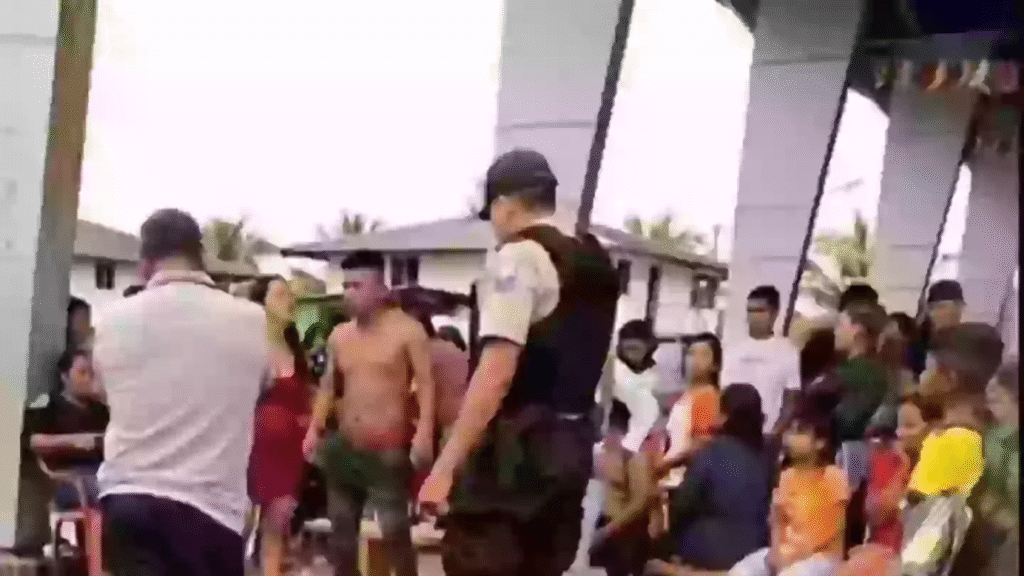
The community’s reaction to this extrajudicial killing was met with horror, both locally and abroad. The fact that the murder took place in front of police officers, who did not intervene to prevent it, only adds to the complexity of the case.
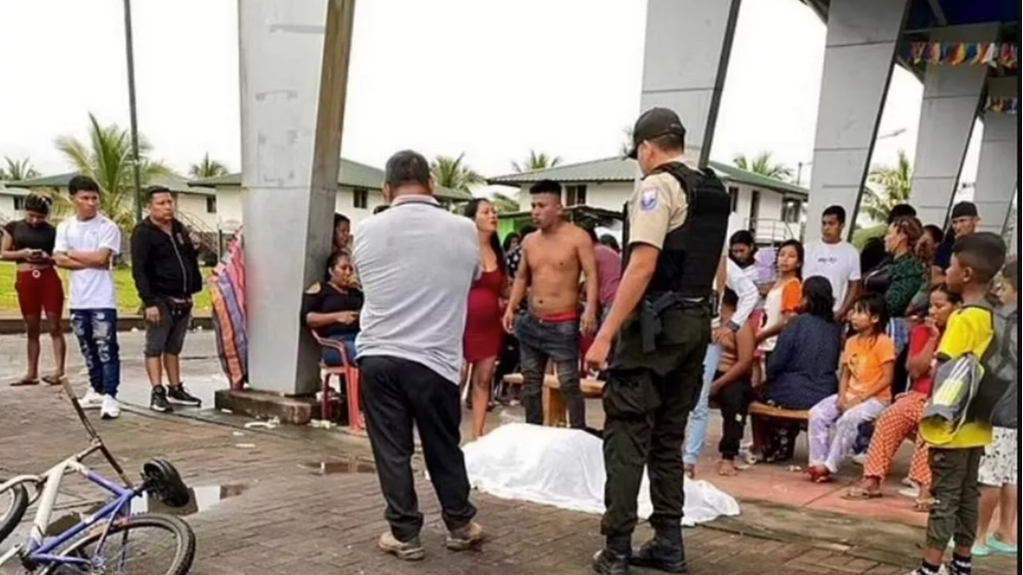
Local news reports suggest that two people died as a result of the violence on that fateful day: the villager who had been shot and the man of British nationality, who succumbed to the severity of his burns.
These two deaths have left the Playas del Cuyabeno community in shock and mourning, with many grappling with the consequences of such an extreme response to a crime.
The motives behind the mob’s actions remain a subject of debate. Some local reports describe the incident as “community justice,” a term that implies an act of retribution carried out by members of the community without the involvement of the official legal system.
In some isolated areas of Ecuador, particularly among indigenous communities, such practices are not uncommon, as distrust in the state’s judicial processes can often lead to decisions based on immediate collective desires for justice.
However, this case starkly illustrates how the concept of community justice can quickly devolve into a horrific display of violence when there are no clear boundaries set by law.
Legal and Human Rights Implications
Ecuador’s Constitution does recognize indigenous jurisdiction under Article 171, which allows indigenous communities to enforce their own laws in certain matters. However, this authority is not without limitations.
Indigenous justice systems are supposed to adhere to the principles of human rights and cannot contradict national law. In this case, the lynching of a man, even if he was a suspect in a shooting, represents a direct violation of both human rights and the country’s legal framework.
According to Ecuador’s Comprehensive Organic Criminal Code (COIP), the act of lynching is classified as a crime. Under the COIP, a person found guilty of such an act can be prosecuted for homicide or murder.
The authorities in Ecuador are now faced with the task of investigating this heinous act and determining how those responsible should be held accountable for taking justice into their own hands.
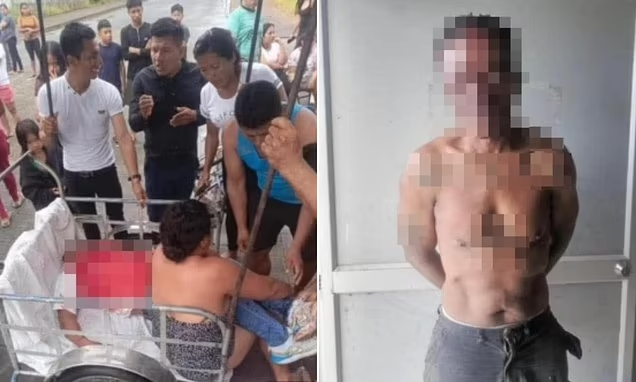
The prosecutor’s office in Ecuador has the responsibility to examine the details of this incident and pursue justice for the victim, the British man, and the community. The involvement of local police officers in this tragic event—whose duty it was to prevent such a crime from taking place—also raises questions about accountability within law enforcement.
Why were they unable to prevent the mob from storming the station and carrying out the extrajudicial killing? The lack of intervention by police further complicates the case and may result in additional investigations into the conduct of law enforcement officers.
In many ways, the incident serves as a reflection of larger societal issues in Ecuador, particularly regarding the effectiveness of the judicial system in remote regions.
When people feel that justice is either inaccessible or delayed, it is not uncommon for communities to take matters into their own hands. However, such actions undermine the rule of law and have the potential to perpetuate cycles of violence that are difficult to break.
The incident has sparked widespread outrage from human rights organizations around the world. These organizations have condemned the act of lynching as a violation of both Ecuadorian law and international human rights standards.
Ecuador is a signatory to various international human rights treaties, and the government is now under significant pressure to hold those responsible accountable.
The role of indigenous justice systems in Ecuador is also a topic of growing debate. While it is vital to respect the cultural practices of indigenous communities, it is equally important to ensure that such practices align with fundamental human rights and national laws.
Striking a balance between respecting indigenous customs and maintaining the integrity of the legal system is an ongoing challenge for Ecuador, and incidents like this further underscore the complexities of that challenge.
The horrific lynching of a man in Playas del Cuyabeno raises profound questions about justice, the rule of law, and the limits of community-led retribution.
While “community justice” may be seen by some as an effective means of addressing crime in areas with limited access to legal institutions, the events of April 20, 2025, serve as a stark reminder of the dangers of taking justice into one’s own hands.
The tragic outcome of this case—where two lives were lost and a community was left reeling—must be met with a serious and thorough investigation into the role of both the police and the citizens involved.
Ecuador’s legal system is now tasked with ensuring that those responsible for this brutal act are brought to justice, while also addressing the underlying issues that led to such a violent response. As the nation grapples with this shocking incident, it is crucial that discussions continue on how to protect human rights, uphold the rule of law, and foster trust between law enforcement and the communities they serve.
While Playas del Cuyabeno may be a remote village, the implications of this event are far-reaching. The world will be watching how Ecuador handles the aftermath of this tragedy, as it will set a precedent for how vigilante justice and extrajudicial killings are dealt with in the future.