
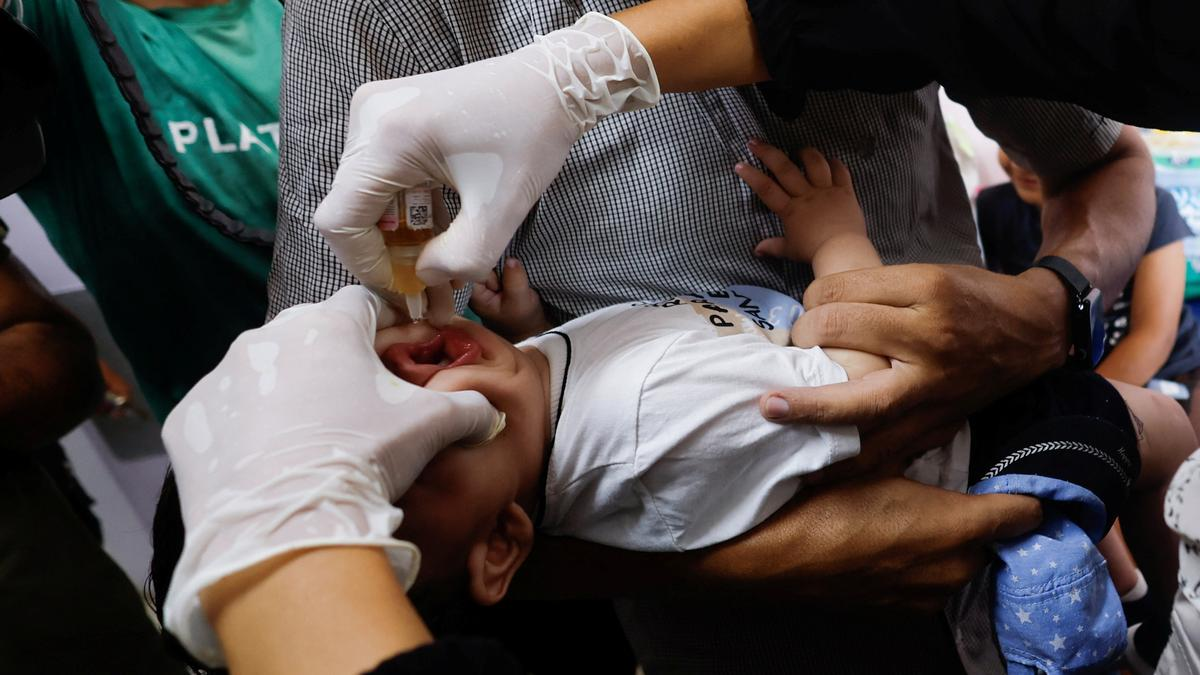
The recent polio outbreak in Gaza has raised alarms, prompting the United Nations (UN) and its partners to embark on a critical mission: administering 1.3 million polio doses to 640,000 children in just three days. This unprecedented effort is essential to contain the virus and protect the region’s vulnerable population.
The urgency of this campaign cannot be overstated, as the polio outbreak in Gaza poses a significant threat to public health, especially in a region already ravaged by war and instability.
The polio outbreak in Gaza marks the first case in 25 years, with a 10-month-old boy becoming the tragic face of this crisis. His paralysis is a chilling reminder of the disease’s devastating impact, highlighting the need for immediate intervention.
The World Health Organization (WHO) has warned that the presence of one paralysis case could indicate that hundreds of others may already be infected but are asymptomatic, making the deployment of 1.3 million polio doses all the more critical.
1.3 million polio doses to 640,000 children in just three days
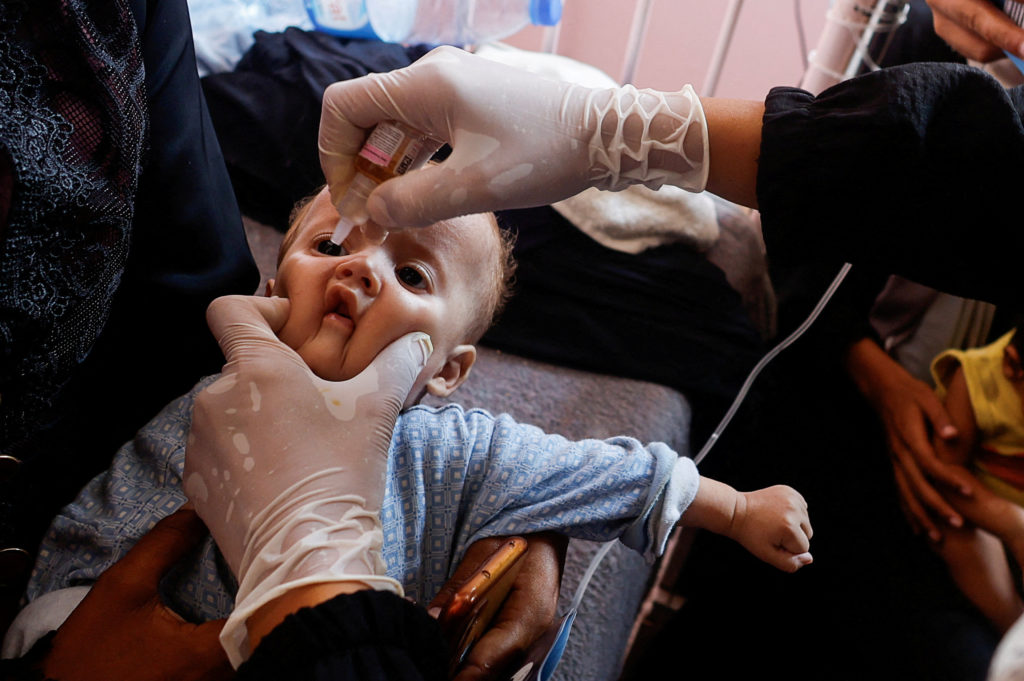
Polio is a highly contagious viral disease that primarily affects children under the age of 10. It spreads rapidly, especially in areas with poor sanitation, like Gaza, where the healthcare infrastructure has been severely compromised due to ongoing conflict.
The polio virus can cause irreversible paralysis within hours, and in severe cases, it can be fatal if the paralysis affects the muscles responsible for breathing. The only way to prevent this is through vaccination, which is why the 1.3 million polio doses are so crucial.
The UN’s plan to vaccinate 640,000 children in Gaza is ambitious, given the current circumstances. The campaign will be conducted over three days, with the goal of administering two drops of the oral polio vaccine to each child.
These 1.3 million polio doses are designed to be given in two rounds, with the second round occurring four weeks after the first. This strategy is vital to ensuring that the children develop full immunity against the virus.
The logistical challenges of delivering 1.3 million polio doses in Gaza are immense. The region’s infrastructure has been decimated by war, with 65% of the road network damaged and 19 of the 36 hospitals out of service.
Despite these obstacles, the UN has coordinated with Israeli authorities to secure limited pauses in the fighting to allow the vaccination campaign to proceed. This coordination is crucial for the safe distribution of the polio doses and to ensure that as many children as possible are reached within the three-day window.
The vaccination campaign in Gaza is not only about administering 1.3 million polio doses but also about overcoming the broader challenges posed by the conflict. With the territory’s population displaced and spread into isolated pockets, reaching every child is a daunting task.
The vaccination sites are strategically located across Gaza, including areas inside and outside Israeli evacuation zones, to maximize coverage.
In Khan Younis and Deir al-Balah, where the density of children under 10 is highest, the majority of the 1.3 million polio doses will be administered. The Gaza Health Ministry has identified approximately 160 vaccination sites, including medical centers, hospitals, and schools, to facilitate the campaign.
However, the UN and WHO cannot conduct house-to-house vaccinations, a method used in other polio campaigns, due to the volatile security situation. This limitation makes the successful deployment of the 1.3 million polio doses even more crucial.
Maintaining the potency of the 1.3 million polio doses is another challenge. The vaccines are currently stored in cold-chain facilities in Deir al-Balah, ensuring they remain effective until they reach the children. Additional doses are expected to arrive in Gaza soon, further bolstering the vaccination effort.
The scale of the UN’s campaign—delivering 1.3 million polio doses in just three days—underscores the gravity of the situation. Polio is a preventable disease, but without vaccination, it can cause lifelong disability or even death.
The effort to administer these polio doses is not just about addressing the immediate outbreak but also about preventing future generations from suffering the same fate.
In addition to the immediate threat posed by the polio outbreak, Gaza’s healthcare system is on the brink of collapse. The ongoing conflict has left hospitals in ruins, and medical supplies are critically low.
The introduction of 1.3 million polio doses is a ray of hope in an otherwise bleak situation, offering a chance to protect the children of Gaza from the ravages of this disease.
The campaign to administer 1.3 million polio doses in Gaza is a testament to the resilience and determination of the international community. Despite the overwhelming challenges, the UN, WHO, and other partners are committed to ensuring that every child in Gaza receives the vaccine.
This effort is not just about stopping the current outbreak; it is about safeguarding the future health and well-being of Gaza’s children.
In conclusion, the deployment of 1.3 million polio doses in Gaza is a critical and urgent response to a growing health crisis. The UN’s plan to vaccinate 640,000 children in just three days highlights the importance of quick and coordinated action in the face of such a threat.
While the challenges are immense, the potential to prevent a widespread outbreak and protect the lives of thousands of children makes this effort one of the most significant public health initiatives in recent history. The success of this campaign will depend on the effective delivery of the polio doses and the cooperation of all parties involved in this humanitarian mission.