
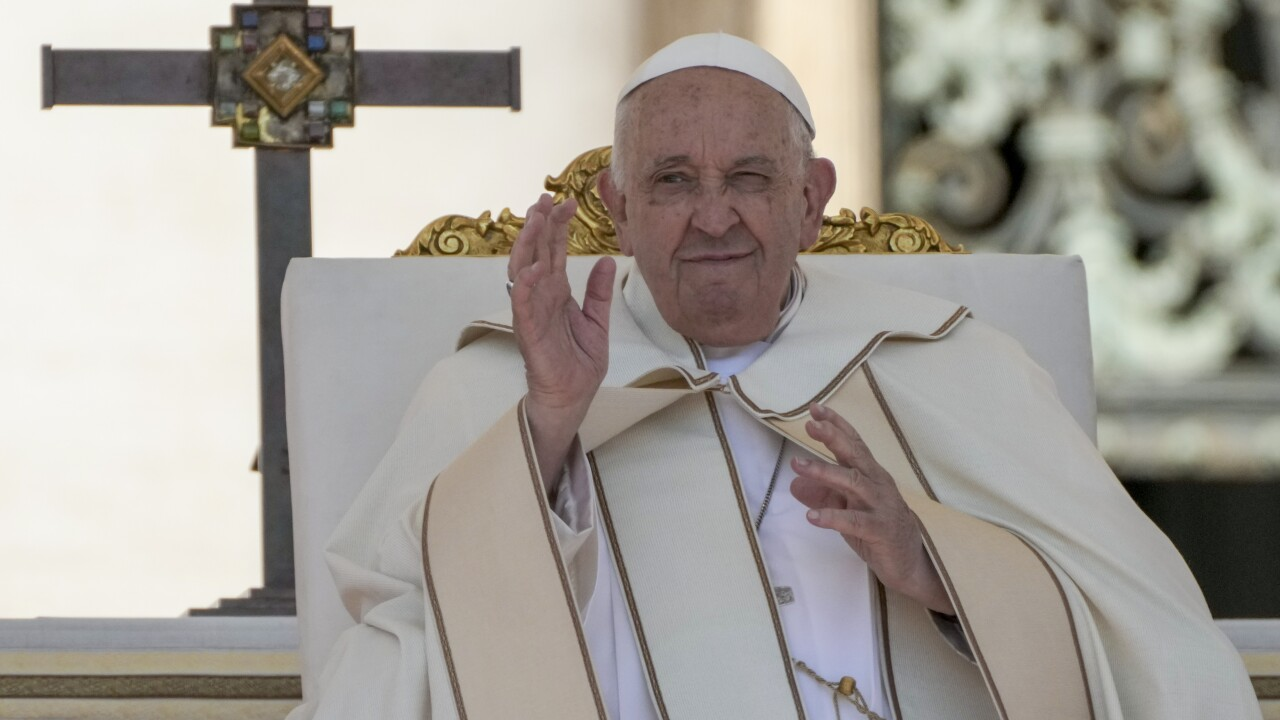
Pope Francis, known for his progressive approach and candid remarks, recently delivered a stern warning to Vatican staff about the perils of gossip and backstabbing.
Using his annual Christmas address as a platform, the Pontiff emphasized the need for humility, honest dialogue, and mutual respect among his closest collaborators. The speech served as a poignant reminder of the damaging effects of toxic workplace behaviors and a call for introspection and reform.
The Harmful Impact of Gossip in the Workplace
Gossip, often dismissed as harmless chatter, can have devastating effects on workplace morale and productivity. Pope Francis described gossip as “an evil that destroys social life, sickens people’s hearts, and leads to nothing.”
He underscored that such behavior erodes trust, fosters resentment, and creates an environment of fear and division. In a workplace as sacred and significant as the Vatican, these issues take on an even greater magnitude.
The Pope’s admonition is rooted in the recognition that the Vatican, like any other workplace, is susceptible to the pitfalls of human behavior.
Closed environments often amplify negative tendencies such as gossip and criticism, as individuals may seek to assert dominance or deflect attention from their own shortcomings. Francis highlighted the need for open communication and urged staff to address issues directly with one another instead of resorting to clandestine complaints.
Read : Pope Francis Becomes the First of His Title to Attend the G7 Summit: Sounding the Alarm on AI
This focus on humility and self-awareness aligns with Francis’ broader teachings on fostering harmony and understanding within the Catholic Church. He called on Vatican staff to examine their own consciences, renounce evil thinking, and commit to building a joyful and fraternal community.
A Tradition of Public Admonitions
Pope Francis is no stranger to using his Christmas addresses to critique the internal workings of the Vatican. Since his election in 2013, he has frequently called out the shortcomings of the Curia, the administrative body of the Holy See.
Read : Pope Francis Makes 1st Papal Visit to France’s Corsica
In 2014, he famously listed the “15 ailments of the Curia,” ranging from careerism and hypocrisy to “spiritual Alzheimer’s.” These pointed criticisms are part of his broader effort to reform the Vatican and instill a culture of accountability and service.
In subsequent years, the Pope has continued to address issues of morality and integrity among Vatican staff. In 2022, he warned against the “elegant demon” of rigid, self-righteous behavior, which he argued undermines the true essence of Catholic faith.
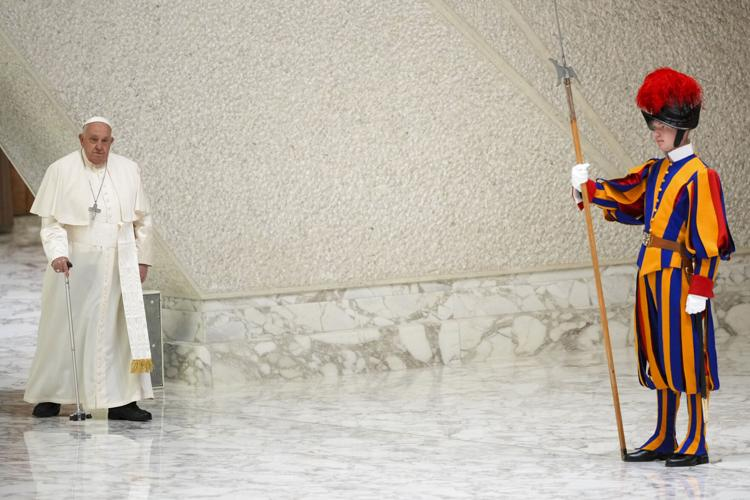
This year’s focus on gossip and backstabbing revisits a recurring theme in his addresses: the need for transparency, humility, and mutual respect. Pope Francis’ willingness to openly critique his own administration is both a reflection of his leadership style and a testament to his commitment to reform.
He has repeatedly encouraged frank and open debates, even inviting criticism of his own work—provided it is delivered to his face rather than behind his back. This approach underscores his belief in the power of honest dialogue to address challenges and foster growth.
Challenges and Reforms in Vatican Employment
The Pope’s address also touched on broader issues facing Vatican employees, including concerns about labor rights and workplace conditions.
In recent months, the Association of Vatican Lay Employees has raised alarms about the health of the Vatican pension system, fears of cost-cutting, and the need for improved communication between workers and leadership.
Earlier this year, a class-action lawsuit filed by employees of the Vatican Museums highlighted ongoing labor woes, including overtime and working conditions.
Unlike Italy, where robust labor laws protect workers’ rights, Vatican employees often have fewer legal recourses. Despite these challenges, Vatican employment remains highly sought-after, offering benefits such as tax-free salaries and access to below-market housing.

Francis acknowledged these concerns and encouraged employees to voice their problems openly with their supervisors. He emphasized the importance of dialogue and collective problem-solving, assuring staff that their difficulties would be addressed in a spirit of cooperation and mutual respect. This call for open communication aligns with his broader message of fostering a supportive and harmonious workplace.
The Road to a Joyful and Fraternal Community
As the Vatican prepares for the Holy Year celebrations in 2025, which are expected to draw millions of pilgrims to Rome, the importance of unity and collaboration among its staff cannot be overstated. Pope Francis’ call for humility, transparency, and mutual respect serves as a guiding principle for achieving this goal.
The Pope’s message is not limited to the Vatican but extends to workplaces and communities worldwide. His emphasis on renouncing gossip, embracing humility, and fostering open communication resonates universally, offering valuable lessons for building healthier and more harmonious environments.
Francis’ leadership, marked by its candor and compassion, continues to inspire and challenge individuals to strive for greater integrity and understanding.
As he navigates the complexities of reforming the Vatican, his vision of a joyful and fraternal community remains a powerful testament to the transformative power of humility and dialogue.