

Pregnant Women Who Develop Diabetes Which affects thousands of pregnant women each year, leading to potential complications for both mother and baby. A recent study has suggested that reducing calorie intake could help many of these women avoid the need for insulin injections, providing a safer and more manageable approach to managing blood sugar levels during pregnancy.
Conducted by researchers at the Universities of Leicester and Cambridge, the Dietary Intervention in Gestational Diabetes (DiGest) trial has shown promising results that could benefit an estimated 13,000 women annually if implemented on a national scale.
The Impact of Gestational Diabetes on Pregnancy
Gestational diabetes is a temporary condition that develops during pregnancy when the body struggles to produce enough insulin due to hormonal changes.
According to the NHS, approximately 30,000 women in England develop gestational diabetes every year. While the condition often resolves after childbirth, it can have serious short-term and long-term health implications for both the mother and the baby if left unmanaged.
One of the most significant risks associated with gestational diabetes is preeclampsia, a condition characterized by high blood pressure during pregnancy that can lead to life-threatening complications.
Additionally, babies born to mothers with uncontrolled gestational diabetes may have a higher birth weight, increasing the likelihood of birth injuries or the need for a cesarean section. In some cases, gestational diabetes can also increase the mother’s risk of developing type 2 diabetes later in life.
Read : One in Five UK Adults Living with Diabetes or Prediabetes, Survey Says
Traditionally, gestational diabetes is managed through dietary changes, regular exercise, and blood sugar monitoring. However, in more severe cases, women are often prescribed medication such as metformin or insulin to control their blood sugar levels.
Read : Top Ten Countries with the Highest Diabetic Population
The new study suggests that a reduced-calorie diet may provide an effective alternative to insulin therapy, offering a less invasive and more natural way to manage the condition.
The DiGest Trial: A New Approach to Managing Gestational Diabetes
The DiGest trial, led by researchers at the Universities of Leicester and Cambridge, involved 425 women diagnosed with gestational diabetes who had a body mass index (BMI) of over 25. These women were divided into two groups, each following a specific diet plan from 29 weeks of pregnancy until delivery.
One group received diet boxes containing meals that totaled 2,000 calories per day, the standard recommended intake for the average woman. The second group received diet boxes with a reduced calorie intake of 1,200 calories per day. Both diet plans were carefully designed to include 40% carbohydrates, 25% protein, and 35% fat to ensure balanced nutrition.
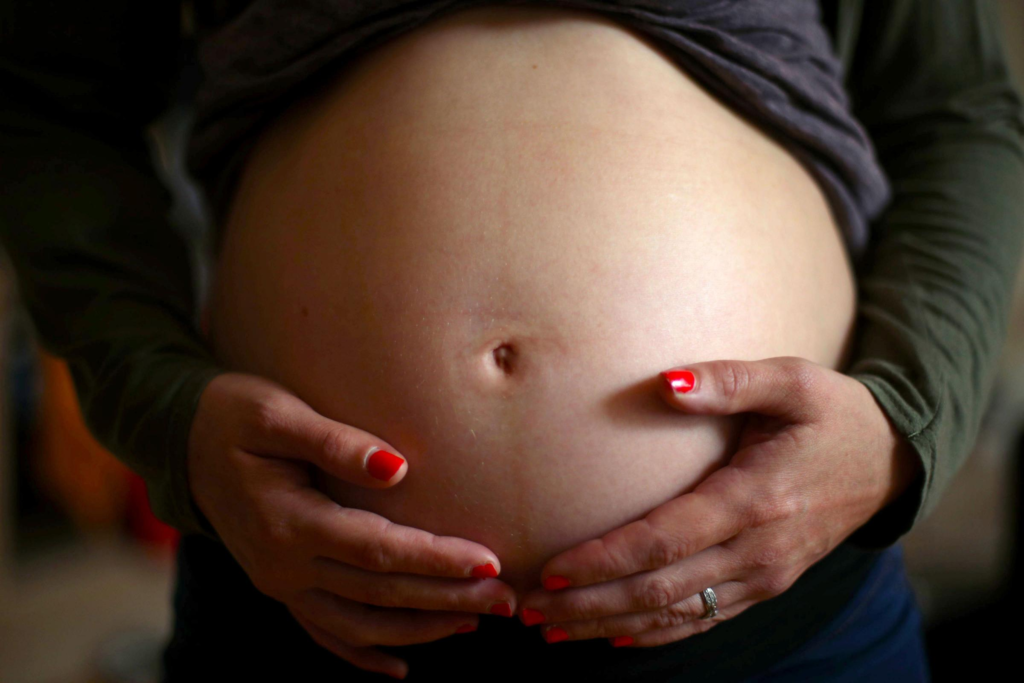
The study found that while both groups lost an average of 3kg in the final months of pregnancy, women who followed the reduced-calorie diet were significantly less likely to require insulin injections to control their blood sugar levels.
This finding suggests that a controlled reduction in calorie intake could be a viable strategy for managing gestational diabetes without the need for additional medication.
Professor Claire Meek, a lead researcher in the study, emphasized the potential impact of these findings. “We know that reduced calorie diets promote weight loss and improve blood sugar levels for people with type 2 diabetes, but this has never before been tested as a way to help women with gestational diabetes minimize weight gain,” she said.
“The safety of mothers and babies taking part in our research is my top priority, and most importantly, we found that the reduced calorie diet box was perfectly safe for pregnant women with gestational diabetes and overweight or obesity, and their babies.”
Long-Term Benefits for Mothers and Babies
Beyond the immediate benefits of reducing the need for insulin, the study also found that weight loss during pregnancy had additional health advantages.
Women who lost weight showed improved blood sugar levels and better blood pressure control by 36 weeks of pregnancy. Moreover, weight loss was associated with a nearly 50% lower risk of delivering a large baby, reducing the chances of birth complications.
The benefits of maintaining a healthy weight during pregnancy extend beyond childbirth. Researchers monitored the participants for three months postpartum and found that those who had lost weight during pregnancy were more likely to maintain their weight loss.
This is a crucial finding, as women who experience gestational diabetes have a higher risk of developing type 2 diabetes later in life. By adopting healthier eating habits during pregnancy, women may be able to reduce their long-term risk of diabetes and other metabolic conditions.
Dr. Elizabeth Robertson, director of research and clinical at Diabetes UK, highlighted the broader implications of these findings. “Gestational diabetes touches the lives of thousands of women in the UK each year,” she said.

“If left untreated, it increases the risk of poor health for them and their baby not only during pregnancy but over their lifetimes too. With this new understanding, we have the opportunity to help more mothers experience a healthy pregnancy, give birth to healthy babies, and reduce their risk of type 2 diabetes in the future.”
The results of the DiGest trial have been published in the journal Nature Medicine and will be presented at the Diabetes UK Professional Conference 2025 in Glasgow.
These findings pave the way for further research and potential policy changes that could lead to the widespread adoption of reduced-calorie diets as a standard approach for managing gestational diabetes.
In conclusion, this study provides compelling evidence that a carefully controlled reduction in calorie intake can significantly benefit pregnant women with gestational diabetes.
By minimizing weight gain, improving blood sugar control, and reducing the need for insulin, this dietary approach offers a safer and more sustainable alternative for managing the condition.
If implemented on a national scale, it has the potential to improve health outcomes for thousands of women and their babies each year, making pregnancy safer and healthier for all involved.